 By admin
 Garlic for Varicose Veins: Separating Fact from Fiction on Circulation and Vein Health
Introduction: Navigating Natural Remedies for Varicose Veins
Varicose veins are a prevalent vascular condition, particularly affecting individuals over the age of 40, bringing with them a range of uncomfortable symptoms. These enlarged, twisted blood vessels, most commonly observed in the legs, extend beyond mere cosmetic concerns. They can be a source of persistent pain, swelling, and may even signal deeper circulatory issues. For those grappling with the challenges of varicose veins, the search for natural solutions to alleviate discomfort or slow their progression is a common pursuit. Among the array of traditional remedies, garlic frequently emerges as a topic of discussion. Renowned for its extensive health benefits, including its positive impact on circulation and cardiovascular well-being, garlic’s potential in managing varicose veins warrants closer examination. This article will delve into the scientific literature surrounding garlic’s influence on vein health and blood flow, assessing whether this potent herb truly offers a viable supportive role in the context of varicose veins.
Understanding Varicose Veins: Causes and Concerns
Before exploring garlic’s potential therapeutic properties, it’s crucial to grasp the fundamental mechanisms behind varicose vein development. These veins form when the one-way valves within them, designed to push blood back towards the heart, become compromised or fail. This malfunction leads to blood pooling, causing the veins to stretch, swell, and take on their characteristic twisted appearance. Several key factors contribute to the onset of varicose veins:
- Aging: As we age, the structural integrity of our veins diminishes. Vein walls lose their natural elasticity, and the internal valves weaken, impeding efficient blood return.
- Hormonal Fluctuations: Significant hormonal shifts, such as those experienced during pregnancy, menopause, or from certain hormone therapies, can weaken vein walls and increase susceptibility to varicose veins.
- Genetic Predisposition: A strong family history of varicose veins significantly elevates an individual’s risk, suggesting a genetic component in their development.
- Prolonged Immobility: Occupations or lifestyles that necessitate extended periods of sitting or standing can hinder proper blood circulation in the legs, contributing to increased pressure within the veins and the formation of varicose veins.
With this foundational understanding, let’s now investigate how garlic might offer supportive benefits for circulation and overall vein health.
1. Garlic’s Impact on Enhancing Circulation
For centuries, garlic has been a staple in traditional medicine, valued for its purported ability to boost circulation and support cardiovascular wellness. It is widely believed that garlic’s beneficial effects stem from its capacity to reduce blood viscosity, thereby improving blood flow and potentially mitigating the risk of clot formation – a concern often associated with varicose veins.
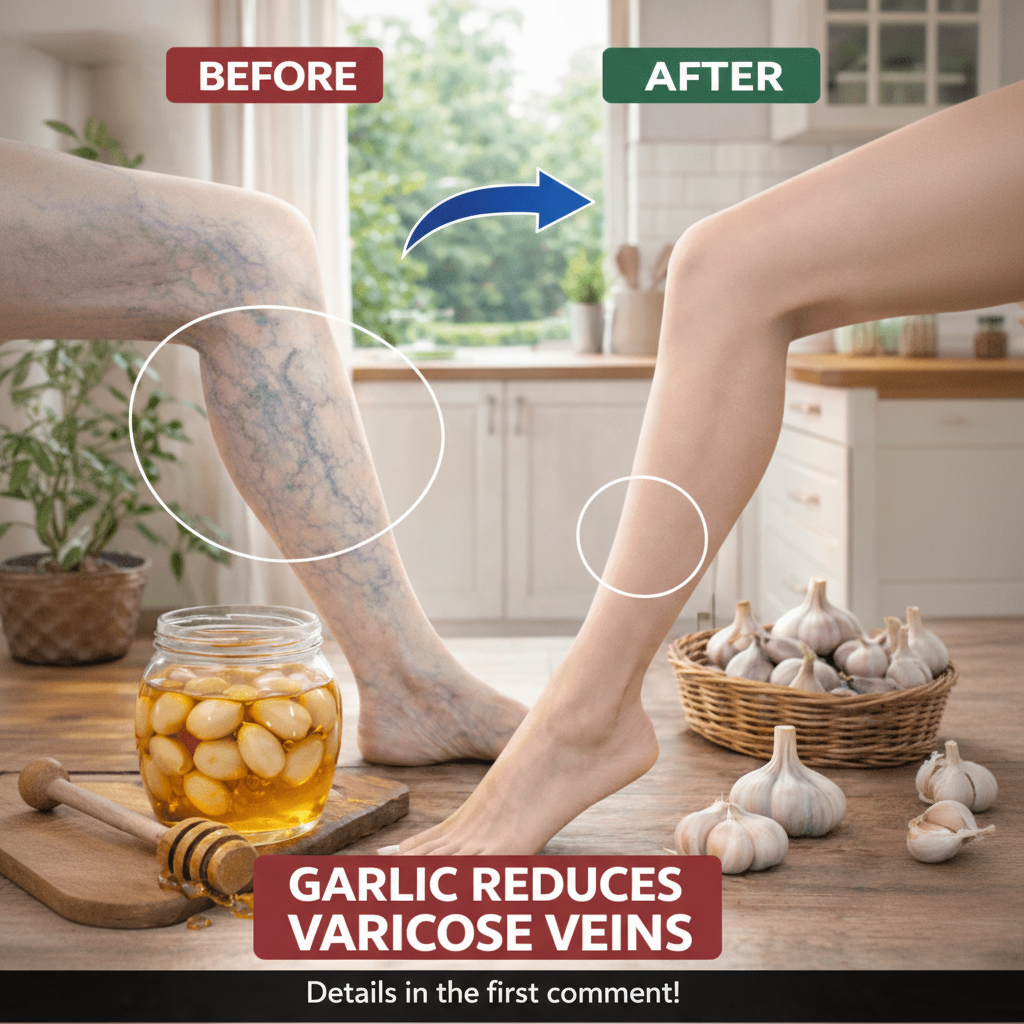
Key Mechanisms by Which Garlic May Improve Circulation:
- Allicin’s Antithrombotic Action: Allicin, the primary bioactive compound in garlic, has demonstrated antithrombotic (anti-clotting) properties. This means it may help in preventing the formation of blood clots within the veins, which can be particularly beneficial for individuals prone to circulatory issues.
- Vasodilatory Effects: Emerging research suggests that garlic can contribute to the dilation of blood vessels. This widening effect allows blood to flow more freely, potentially reducing the elevated pressure within varicose veins and improving overall blood return.
- Anti-Inflammatory Support: Garlic is also recognized for its potent anti-inflammatory compounds. By reducing systemic inflammation, it may help alleviate some of the swelling and discomfort frequently experienced with varicose veins.
Scientific Insights from Research:
- A notable study published in the Journal of Nutrition highlighted garlic’s positive influence on blood flow by enhancing endothelial function – referring to the health and proper functioning of the inner lining of blood vessels.
- Furthermore, regular garlic supplementation has been linked to reductions in cholesterol levels and blood pressure. Both high cholesterol and elevated blood pressure are established risk factors that can negatively impact circulation and exacerbate the symptoms of varicose veins.
2. Strengthening Veins and Promoting Vein Health with Garlic
Beyond its contributions to improved circulation, garlic may also exert a more direct influence on the structural integrity of the veins themselves. Some studies indicate that garlic could play a role in maintaining or enhancing vein elasticity, which is crucial for preventing the weakening of vein walls and reducing the likelihood of varicose veins developing or worsening.
How Garlic May Contribute to Vein Strength:
- Support for Collagen Production: Garlic contains specific compounds that may support the synthesis of collagen, a vital protein. Collagen provides essential structural support and strength to blood vessels and veins, helping them maintain their integrity.
- Combating Oxidative Stress with Antioxidants: Rich in powerful antioxidants, garlic actively combats oxidative stress. This process is a significant contributor to cellular damage and the progressive weakening of vein walls over time, making garlic a potential protective agent.
- Blood Pressure Management: High blood pressure is a well-known risk factor for varicose veins, as it places undue strain on vein walls. Garlic has been shown to assist in lowering blood pressure by promoting the relaxation of blood vessels and enhancing overall circulation, thereby reducing this damaging pressure.
What the Research Indicates:
- Clinical studies have consistently demonstrated garlic’s ability to help reduce hypertension (high blood pressure), which is a key factor in the development and progression of vein damage.
- By actively improving both circulation and blood flow dynamics, garlic may indirectly contribute to the prevention of varicose vein formation and progression.
3. Alleviating Discomfort: Garlic’s Anti-Inflammatory Properties
Varicose veins are frequently accompanied by localized inflammation, which manifests as pain, swelling, and general discomfort in the affected areas. The well-documented anti-inflammatory properties of garlic offer a promising avenue for mitigating these aggravating symptoms and providing much-needed relief from the associated discomfort of varicose veins.
The Anti-Inflammatory Advantage:
Garlic contains sulfur compounds and other antioxidants that actively interfere with inflammatory pathways in the body. By reducing the inflammatory response, garlic can help to:
- Decrease Swelling: Less inflammation often translates to reduced fluid retention and swelling in the legs, a common complaint for those with varicose veins.
- Lessen Pain: By addressing the underlying inflammation, garlic may help to diminish the aching and throbbing sensations often associated with enlarged veins.
- Improve Overall Comfort: A reduction in both swelling and pain can significantly enhance the daily comfort and quality of life for individuals managing varicose veins.
While garlic is not a cure for varicose veins, its comprehensive benefits across circulation, vein strength, and inflammation reduction suggest it could serve as a valuable complementary addition to a holistic approach to vein health.