 By admin
 In an era where health challenges are increasingly complex, many individuals are exploring natural avenues to bolster their body’s inherent defenses. The persistent concerns surrounding cellular changes, inflammation, and maintaining long-term vitality can be daunting, often leading people to seek complementary strategies alongside conventional treatments. Amidst this quest, emerging scientific investigations into natural compounds, particularly those found in frankincense resin, are revealing fascinating insights. These plant-based elements appear to interact with fundamental cellular processes in intriguing ways – always with the crucial understanding that they are intended to complement, not replace, established medical care. What’s truly captivating is that early research indicates certain frankincense compounds may exhibit selective activity against specific abnormal cells in laboratory environments, igniting considerable interest in its wider applications for overall wellness. Continue reading to delve into the scientific findings, understand responsible ways to explore its benefits, and underscore the paramount importance of professional medical consultation.
The Ancient Origins and Modern Appeal of Frankincense
Frankincense, a revered aromatic resin, originates from the bark of Boswellia trees, predominantly species like Boswellia serrata and Boswellia sacra. For millennia, this precious resin has been integral to traditional medicine and spiritual rituals across the Middle East, Africa, and Asia, celebrated for its distinctive fragrance in incense and perfumes. Its rising prominence in contemporary wellness circles stems from its unique active components: a group of triterpenoids known as boswellic acids. Scientists are now rigorously examining these compounds for their profound potential to modulate inflammatory responses and influence vital cellular functions.
Studies underscore the capacity of boswellic acids to interact with complex cell signaling pathways—mechanisms crucial for maintaining healthy cellular equilibrium and tissue integrity. Yet, frankincense’s appeal extends beyond cellular biology; its soothing aroma and observed effects on stress responses have also positioned it as a subject of interest in research exploring natural approaches to mood support and emotional balance.
Scientific Exploration: Frankincense and Cellular Vitality
The scientific community has rigorously investigated how various frankincense extracts and essential oils interact at a cellular level. Extensive in vitro (test-tube) studies frequently illustrate that boswellic acids may play a role in critical cellular processes such as cell cycle regulation and apoptosis—the body’s natural mechanism for programmed cell death. These observations have been noted across several abnormal cell lines, including those derived from breast, colon, and prostate tissues, among others.
For instance, specific investigations have reported a decrease in the proliferation of breast cancer cell models, with particular emphasis on compounds like acetyl-11-keto-β-boswellic acid (AKBA), which consistently demonstrates robust effects in preclinical experiments. Furthermore, advancements in nanotechnology have led to nano-formulations of frankincense oil, showing promise in enhancing targeted delivery to resistant cell lines by improving cellular uptake and influencing mitochondrial function.
Adding to these compelling laboratory findings are early clinical observations. Small “window of opportunity” trials, for example, involving breast cancer patients who received Boswellia extracts prior to surgery, indicated a statistically significant reduction in markers associated with tumor cell proliferation when compared to control groups. Other research suggests potential benefits in mitigating treatment-related complications, such as a reduction in brain edema observed in some brain tumor cases, though it’s crucial to note this did not translate to a reduction in tumor size.
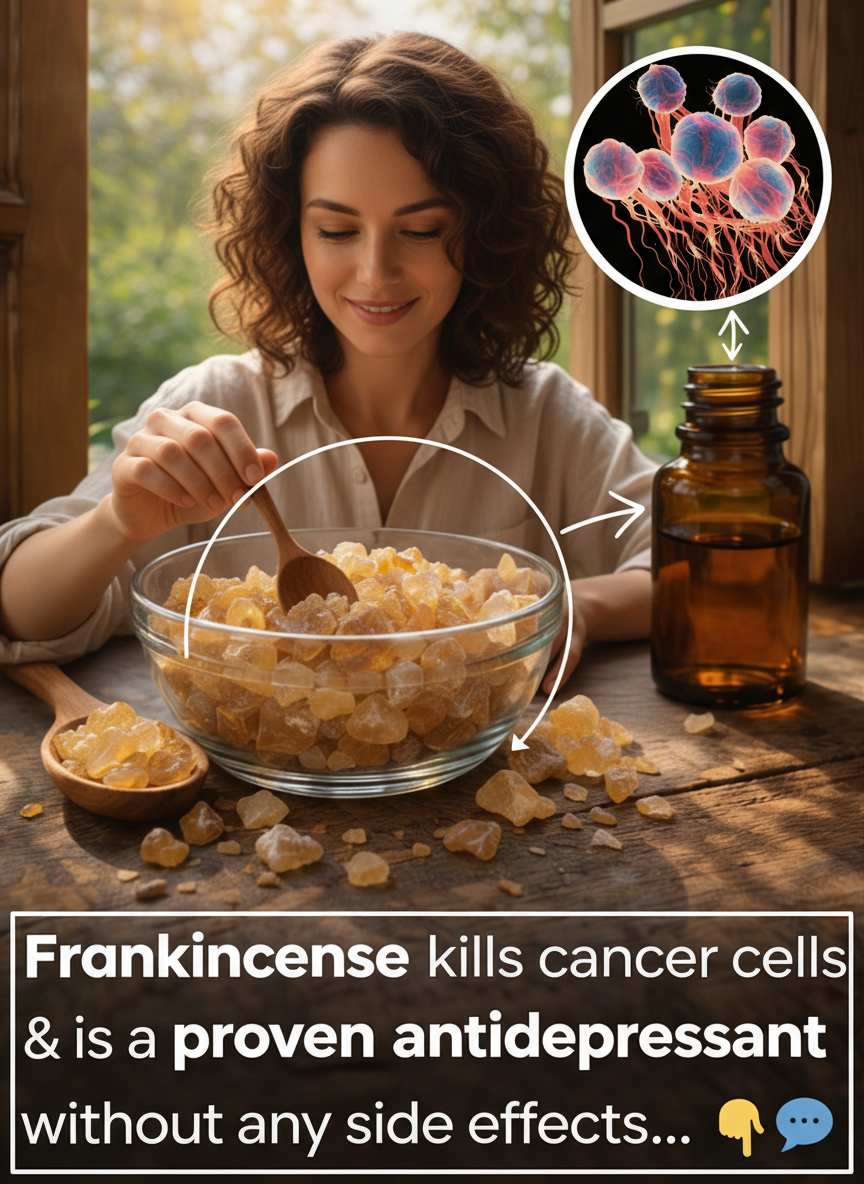
Important Disclaimer: It is imperative to understand that these promising results are predominantly derived from preclinical (laboratory and animal) studies and limited human trials. To substantiate any broader health implications, comprehensive, large-scale randomized controlled trials are indispensable. Currently, there is no scientific evidence to support the use of frankincense as a standalone treatment or cure for cancer or any other serious medical condition.
Key areas of research into frankincense’s cellular support include:
- Anti-proliferative Effects: Observed in various abnormal cell lines (e.g., breast, colon, prostate), potentially through mechanisms like inhibiting angiogenesis (new blood vessel formation) and modulating immune responses.
- Selective Activity: Some laboratory models suggest that frankincense compounds might preferentially impact abnormal cells while leaving healthy cells largely unaffected.
- Complementary Role: Its potential to act as a supportive agent alongside conventional therapies by helping to manage inflammation or alleviate side effects has been explored in conditions such as arthritis and asthma.
Beyond Cellular Health: Frankincense for Mood and Emotional Well-being
The benefits of frankincense extend beyond its cellular implications, showing considerable promise in the realm of mental and emotional wellness. In animal studies, for instance, frankincense extracts have been observed to mitigate behaviors indicative of anxiety and low mood in models where inflammation-related mood changes were induced, correlating with a reduction in inflammatory markers.
In the field of aromatherapy, the use of frankincense essential oil is widely associated with promoting a profound sense of relaxation and tranquility. Small-scale human observations have linked its inhalation to a reduction in stress hormones, such as cortisol, and an overall improvement in emotional states. Whether diffused or applied topically in a diluted form, its distinctive, calming aroma makes it a favored choice in holistic practices for managing daily stress and fostering inner calm.
A key active compound, incensole acetate, is believed to play a significant role in these effects, potentially influencing brain pathways involved in mood regulation. This offers a gentle, non-sedating option for those seeking natural support for emotional balance, distinguishing it from certain conventional interventions.