 By admin
 Cancer continues to be a formidable health challenge, driving many to explore complementary approaches alongside conventional medical care. Amidst this search, ancient remedies like frankincense resin have garnered attention from laboratory studies, particularly for their observed interactions with cellular behavior in controlled settings. But what does the science truly suggest about this age-old resin in a modern wellness context?
This article delves into the current research surrounding frankincense—exploring its traditional heritage, key compounds, and what preliminary studies indicate about its cellular effects—while unequivocally stating it is not a substitute for established medical treatments.
What Is Frankincense and Why Is It Gaining Attention?
Frankincense, harvested from the resin of Boswellia trees (e.g., Boswellia serrata or Boswellia sacra), boasts a rich history in traditional medicine across the Middle East, Africa, and Asia. The resin forms as aromatic “tears” after incisions are made in the tree bark, which are then collected. Today, frankincense is available as essential oil, gum resin extracts, or supplements rich in boswellic acids—its primary active compounds.
Research interest has surged due to its well-documented anti-inflammatory properties, which have been investigated for conditions such as arthritis and asthma. More recently, lab-based studies have focused on how these compounds interact with abnormal cell growth. Studies frequently highlight the potential of boswellic acids to influence pathways related to cell cycle regulation and programmed cell death (apoptosis) in test-tube models. However, it’s crucial to note: these findings predominantly stem from in vitro (cell culture) and animal studies, with human evidence remaining limited and preliminary.
What Do Laboratory Studies Suggest About Frankincense and Cellular Health?
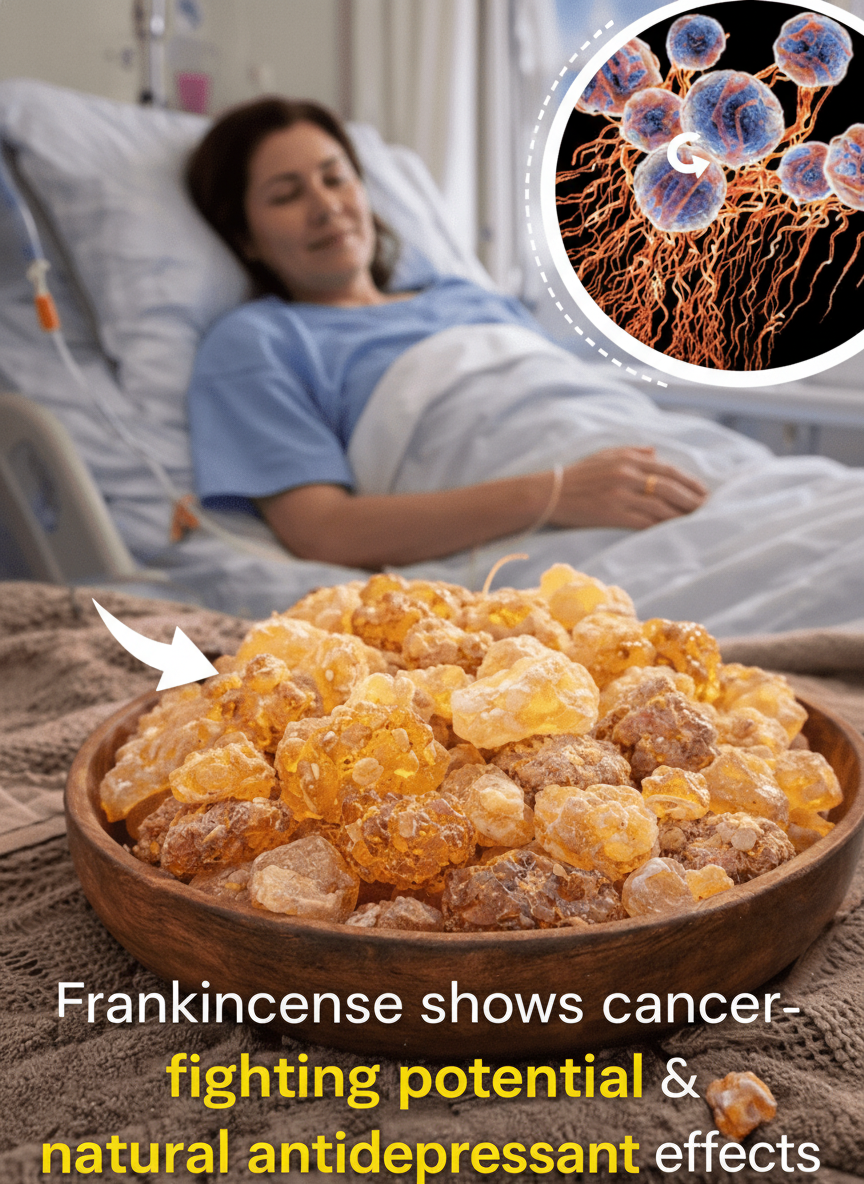
Numerous in vitro studies have evaluated frankincense extracts or isolated boswellic acids on various cell lines. For instance:
- Compounds like acetyl-11-keto-β-boswellic acid (AKBA) have demonstrated the ability to induce apoptosis (programmed cell death) in cells from breast, colon, prostate, and other cancers in lab dishes.
- Research suggests these compounds may disrupt inflammatory pathways (e.g., NF-κB signaling) that promote abnormal cell survival and proliferation.
- Some experiments report selective cell cycle arrest, reduced migration, and increased oxidative stress in cancer cells, with minimal impact on normal cells.
- A 2022 review summarized evidence showing boswellic acids exhibit anti-proliferative effects across multiple cancer types in preclinical models.
- Other work on frankincense essential oil nano-formulations indicated reduced viability in breast and lung cancer cells via apoptosis mechanisms.
Small clinical observations include a trial where breast cancer patients using Boswellia serrata extract before surgery showed a modest reduction in a proliferation marker (Ki-67) compared to controls. Another study suggested benefits for managing brain tumor-related swelling (edema), though it did not shrink tumors.
Important Reality Check: While these early research findings are encouraging, they do not establish that frankincense targets or eliminates cancer in humans. The majority of data is derived from isolated cells or animals, and extensive human trials are still indispensable to confirm any supportive role.
Could Frankincense Support Mood and Emotional Well-Being?
Beyond cellular research, frankincense has also been explored for its potential influence on mood. Animal studies have revealed that incensole acetate—a compound present in Boswellia resin—activates specific brain pathways (such as TRPV3 channels), leading to reduced anxiety-like and depressive-like behaviors in mice. An older study indicated that burning frankincense resin affected brain regions involved in emotion regulation. More recent rodent models utilizing frankincense extracts reported lower inflammatory markers associated with mood disturbances induced by stress or immune challenges. While human evidence is sparse, traditional aromatherapy practices suggest that inhaling frankincense essential oil may foster relaxation. These findings, though not proving it as an antidepressant, contribute to a broader understanding of its potential effects.