 By admin
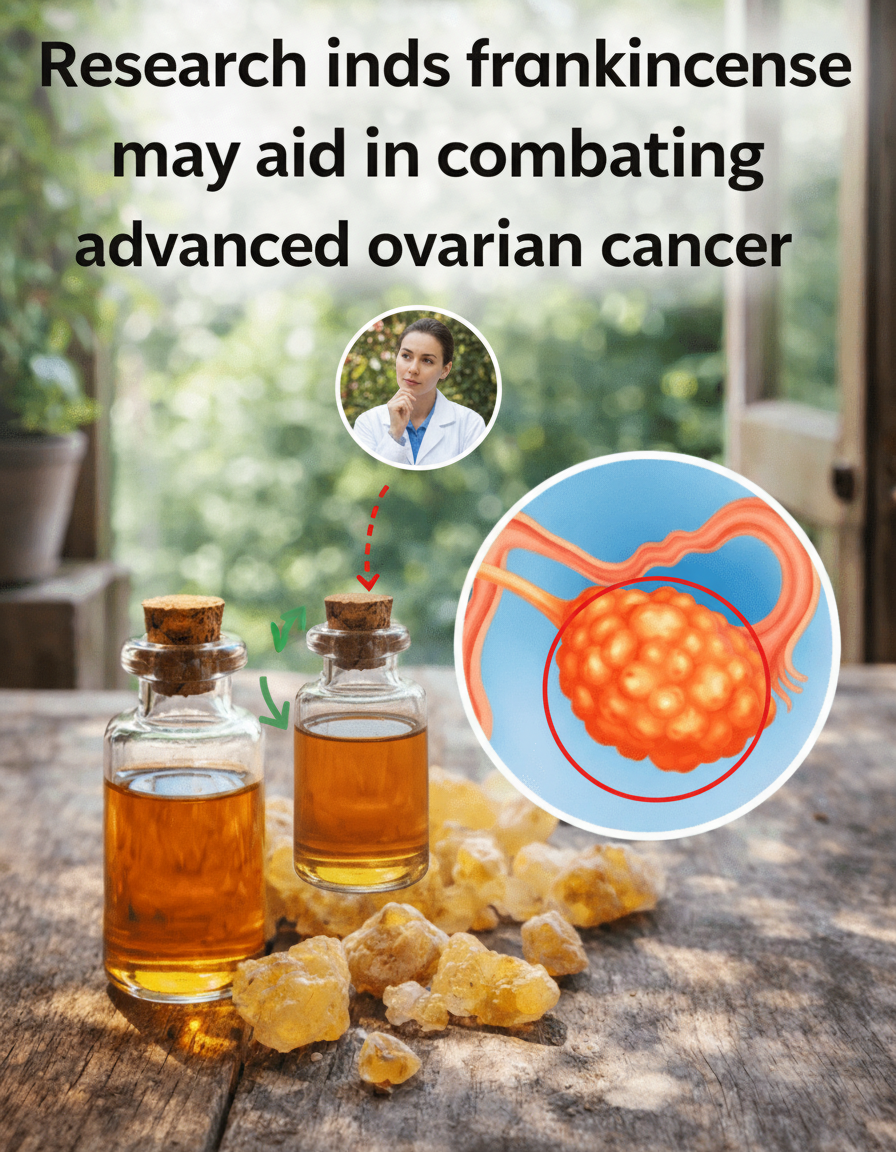
 Ovarian cancer presents a formidable challenge in women’s health, frequently diagnosed at advanced stages where treatment options can seem scarce and optimism may diminish. The emotional burden on individuals and their loved ones is profound, fueling a continuous quest for complementary strategies to enhance standard medical care. While foundational treatments such as surgery and chemotherapy remain indispensable, scientific interest is growing in natural compounds, particularly those explored in laboratory settings. Frankincense, a resin revered for millennia, has become a subject of scrutiny by researchers investigating its potential impact on ovarian cancer cell behavior under controlled conditions. What makes this particularly compelling is the suggestion from some studies that specific constituents within frankincense might offer valuable insights, especially concerning late-stage ovarian cancer where resistance to conventional therapies can emerge.
The Historical Roots of Frankincense
Sourced from the Boswellia trees predominantly found in regions such as Oman, Somalia, and various parts of Africa, frankincense boasts a rich history spanning thousands of years. Ancient cultures revered this resin, incorporating it into religious rites, fragrances, and various traditional wellness practices. Its distinctive aromatic profile is attributed to its essential oils and active compounds, notably the boswellic acids. In contemporary times, scientific curiosity has transcended its historical and folkloric uses, focusing intently on its potential biological effects. Modern research is actively exploring what these ancient resins could contribute to current health and therapeutic contexts.
Unpacking Lab Findings: Frankincense Components and Ovarian Cancer Cells
Much of the scientific investigation into frankincense concentrates on its boswellic acid content, with particular attention paid to AKBA (acetyl-11-keto-beta-boswellic acid), recognized as a principal active constituent. Numerous laboratory studies have meticulously examined the interaction of these compounds with ovarian cancer cells, both in petri dish cultures (in vitro) and in animal models. For example, previous preclinical research indicated that AKBA demonstrated an influence on various ovarian cancer cell lines, including those exhibiting resistance to conventional chemotherapy drugs. These controlled experimental settings revealed findings such as diminished cell proliferation, the induction of cell cycle arrest (specifically at the G2/M phase), and an acceleration of programmed cell death (apoptosis). Crucially, these observed effects occurred at concentrations deemed pharmacologically significant. Below is a concise summary of principal findings from these laboratory-based explorations:
- Inhibition of Cell Growth: Constituents derived from frankincense resin exhibited a capacity to decelerate the proliferation of ovarian cancer cells in laboratory cultures.
- Effects on Chemotherapy-Resistant Cells: In certain experimental scenarios, exposure to these compounds appeared to enhance the susceptibility of chemotherapy-resistant cell lines.
- Investigated Mechanisms: Scientists observed potential engagement with critical cellular pathways, including DNA damage response and the signaling cascades leading to apoptosis (programmed cell death).
It is vital to underscore that these promising observations stem predominantly from cell culture and small-scale animal studies, not from extensive human clinical trials. Consequently, there is currently no scientific basis to support frankincense as an independent or primary treatment for managing ovarian cancer. However, the scope of frankincense research extends beyond just ovarian cancer, revealing broader implications…
Frankincense: Insights from Broader Cancer Research
Although specific data concerning ovarian cancer remains largely confined to preclinical stages, various frankincense derivatives have also been investigated across a spectrum of other cancer types. For instance:
- Observations in small human pilot studies involving breast cancer models indicated reduced cell growth rates when frankincense compounds were administered prior to surgery.
- Additional laboratory investigations have underscored the notable anti-inflammatory characteristics of boswellic acids, properties that might indirectly contribute to general well-being, especially during demanding health journeys.
- A comprehensive review published in 2024, alongside related clinical trials, reiterated that while encouraging indications are present in laboratory and early-phase studies, considerably more rigorous human research is imperative to definitively ascertain any therapeutic role. It is crucial to remember that frankincense extracts are not recognized as approved medical treatments and must never be used as a substitute for established medical protocols.
Current Uses of Frankincense in Wellness Practices
Many individuals integrate frankincense into their routines primarily for general well-being, rather than for the management of specific diseases. Here are the common and typically safe methods of incorporation:
- Aromatherapy: Diffusing frankincense essential oil is a popular method for promoting relaxation and alleviating stress.
- Topical Application: The essential oil, always diluted with a suitable carrier oil to prevent skin irritation, can be applied directly to the skin.
- Oral Supplements: Standardized Boswellia extracts, containing boswellic acids, are frequently consumed orally, often for joint comfort or to support inflammatory responses.
Should you contemplate incorporating any form of frankincense, prioritize acquiring products from reputable, high-quality sources. Furthermore, it is absolutely essential to consult with a healthcare provider beforehand, particularly if you are currently undergoing cancer treatment, to circumvent any potential adverse interactions. However, before embarking on any new health regimen, there are further crucial considerations…
Navigating Frankincense Safely: Practical Considerations
If the compelling research surrounding frankincense has captured your interest, remember that a responsible approach is paramount. Here’s a simple, step-by-step process to consider before integrating it into your routine:
- Consult Your Healthcare Provider: This is the most crucial step. Discuss any interest in frankincense with your doctor, especially if you have ovarian cancer or any other medical condition, or are taking medications. They can advise on potential interactions, appropriate dosages, and whether it’s suitable for your specific health profile.
- Research Quality Products: If advised by your doctor, seek out high-quality frankincense or Boswellia products from reputable manufacturers. Look for third-party testing and clear ingredient labeling.
- Understand Dosage and Application: Follow recommended dosages for supplements or proper dilution guidelines for essential oils. Never ingest essential oils unless specifically formulated and advised by a qualified professional.
- Monitor for Side Effects: Pay attention to how your body reacts. While frankincense is generally well-tolerated, some individuals may experience digestive upset or skin irritation.
In summary, while the scientific community continues to uncover fascinating insights into frankincense’s potential, particularly concerning ovarian cancer cells in laboratory settings, these findings are preliminary. Always prioritize evidence-based medical treatments and use natural compounds only as complementary approaches under professional medical guidance.