 By admin
 Frankincense and Health: Unpacking the Science Behind the Claims and Hype
Imagine being in a conversation where someone confidently asserts that a natural resin can eliminate cancer cells and alleviate depression without any adverse effects. Such a statement, promising a simple, natural remedy for serious health concerns, can sound incredibly appealing. However, the reality of natural health solutions is often far more intricate than it appears online.
Claims surrounding frankincense have proliferated across digital platforms, yet many individuals remain unaware of what robust scientific research actually indicates. This article aims to bridge that gap, revealing what scientists have truly discovered about frankincense – insights that might just surprise you by the time you reach the end.
What Is Frankincense and Its Ancient Roots?
Frankincense is a precious, aromatic resin naturally exuded from trees belonging to the Boswellia genus. These remarkable trees thrive predominantly in arid regions of the Middle East, parts of Africa, and India. For millennia, this resin has held significant cultural and spiritual value, traditionally burned as incense in religious ceremonies and integrated into various traditional wellness practices.
Historical texts frequently reference frankincense for its role in promoting relaxation, facilitating spiritual rituals, and as a component in herbal preparations. In contemporary times, it is widely available in various forms, including essential oils, capsules, and extracts commonly found in dietary supplements.
A pivotal moment arrived when modern researchers turned their attention to the chemical compounds within frankincense. A specific group of molecules, known as boswellic acids, garnered considerable interest due to preliminary laboratory studies hinting at potential anti-inflammatory properties. This discovery ignited a flurry of media attention and headlines, suggesting frankincense could be a powerful agent against significant diseases. Yet, it is critical to distinguish between initial scientific findings and the often-exaggerated assertions found across the internet. Understanding this distinction is paramount, especially for individuals seeking gentle, natural support for their health.
Does Frankincense Really Combat Cancer? Examining the Evidence
You may have encountered striking posts online proclaiming frankincense’s ability to eradicate cancer cells. While such declarations are compelling, the scientific truth demands a nuanced explanation. Indeed, numerous laboratory investigations have explored the effects of boswellic acids derived from frankincense.
In meticulously controlled laboratory settings, these compounds have demonstrated activity against specific cancer cell lines when observed in petri dishes. However, it is precisely at this juncture that many social media narratives omit essential context. The journey of scientific research typically progresses through distinct phases:
- Laboratory (In Vitro) Studies: Research conducted on isolated cells or tissues in a controlled environment (e.g., petri dish).
- Animal Studies: Investigations performed on living organisms to observe effects and safety.
- Human Clinical Trials: Rigorous studies involving human participants to assess efficacy and safety for medical applications.
It is common for many natural compounds to exhibit intriguing effects during these early laboratory stages. Nevertheless, only a small fraction of these ever prove to be safe and effective for actual human medical treatments. To date, the bulk of research into frankincense’s anti-cancer potential remains in these preliminary stages. Human clinical evidence is exceedingly limited, and health experts unequivocally stress that frankincense should under no circumstances be considered a substitute for established medical cancer therapies.
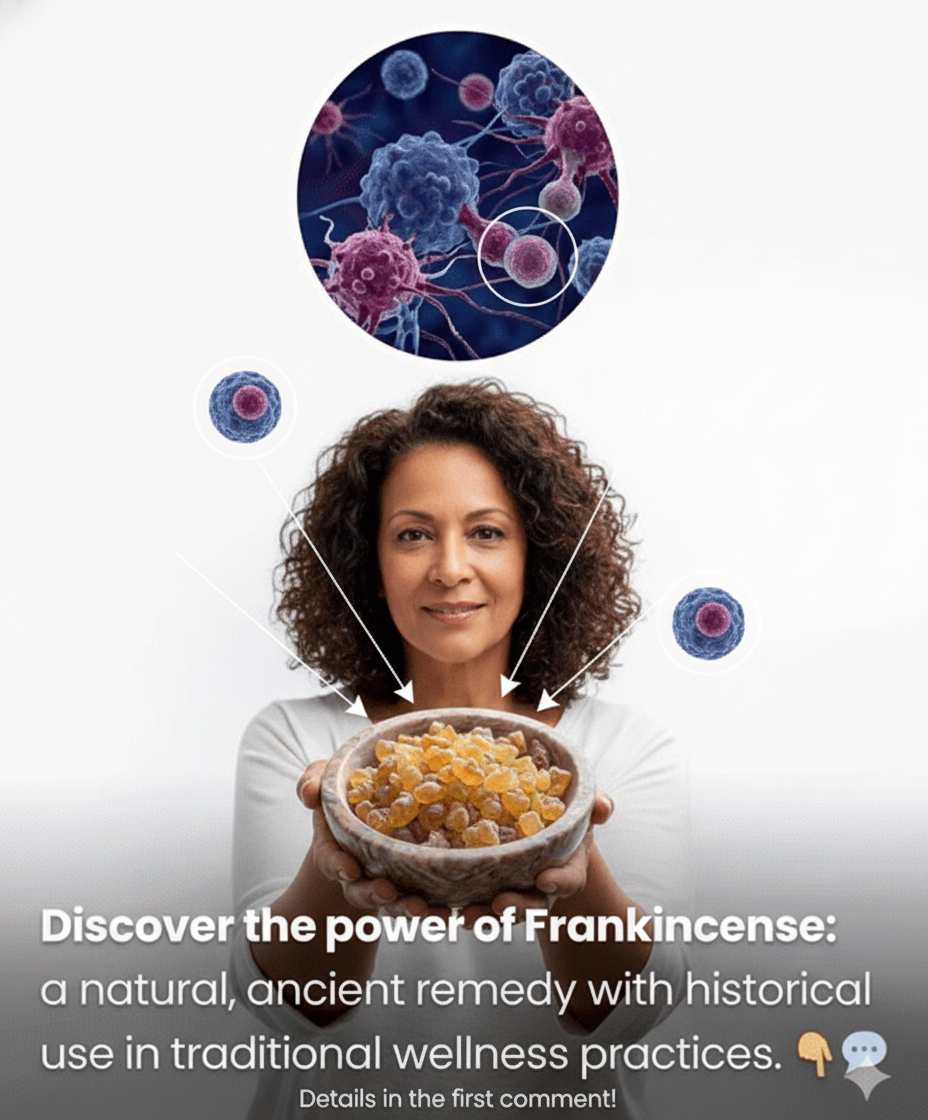
To put it plainly: experiments in a lab setting can suggest fascinating biological activity. However, this does not automatically translate to a person experiencing the same effects by consuming or topically applying frankincense. This crucial difference represents one of the most widespread misunderstandings in health-related information disseminated online.
Frankincense for Mood and Emotional Balance: What Does Science Say?
Another prevalent assertion suggests frankincense functions as a natural antidepressant, supposedly free from side effects. Here again, the reality is a blend of long-standing tradition and evolving scientific understanding.
Aromatherapy, the practice of using essential oils for therapeutic benefit, has been studied for its potential influence on mood. Certain aromas possess the capacity to evoke feelings of calm, relaxation, or heightened mindfulness. Frankincense, with its distinct warm, earthy, and sometimes slightly citrusy fragrance, is frequently associated with practices like meditation and quiet introspection by many individuals.
While some smaller studies propose that inhaling specific essential oils might impact stress levels or contribute to emotional comfort, researchers urge caution. Mood disorders, such as clinical depression, are intricate conditions influenced by a complex interplay of brain chemistry, life experiences, and overall physical health. Essential oils, including frankincense, may serve as complementary tools to enhance relaxation routines, such as:
- Meditation practices
- Deep breathing exercises
- Mindfulness techniques
However, they are not replacements for professional mental health care when such interventions are necessary. It’s more accurate to view frankincense as a valuable aid for creating a calming atmosphere or enhancing personal rituals, rather than a medical solution for mood disorders. Indeed, cultivating peaceful daily rituals can profoundly contribute to overall well-being, a benefit that becomes increasingly valuable as we navigate life’s stages.
Separating Fact from Fiction: A Frankincense Claims Overview
To provide further clarity, let’s directly compare common online assertions about frankincense with what scientific research genuinely suggests:
| Popular Claim | What Research Suggests |
|---|---|
| Frankincense instantly kills cancer. | Laboratory (in vitro) studies show early cellular activity, but this is not proven for human treatment. |
| Frankincense cures depression. | Aromatherapy may promote relaxation and support emotional comfort, but it does not replace professional mental health care. |
| Completely free of side effects. | Some individuals may experience skin irritation (when applied topically) or digestive discomfort (when ingested). |
| Works the same for everyone. | Individual responses vary significantly based on factors like dosage, method of application, and personal health conditions. |
In conclusion, while frankincense possesses a rich history in traditional practices and its compounds show intriguing potential in early scientific investigations, it is crucial to approach bold health claims with a discerning eye. Always prioritize evidence-based information and consult with qualified healthcare professionals for medical advice and treatment decisions.