 By admin
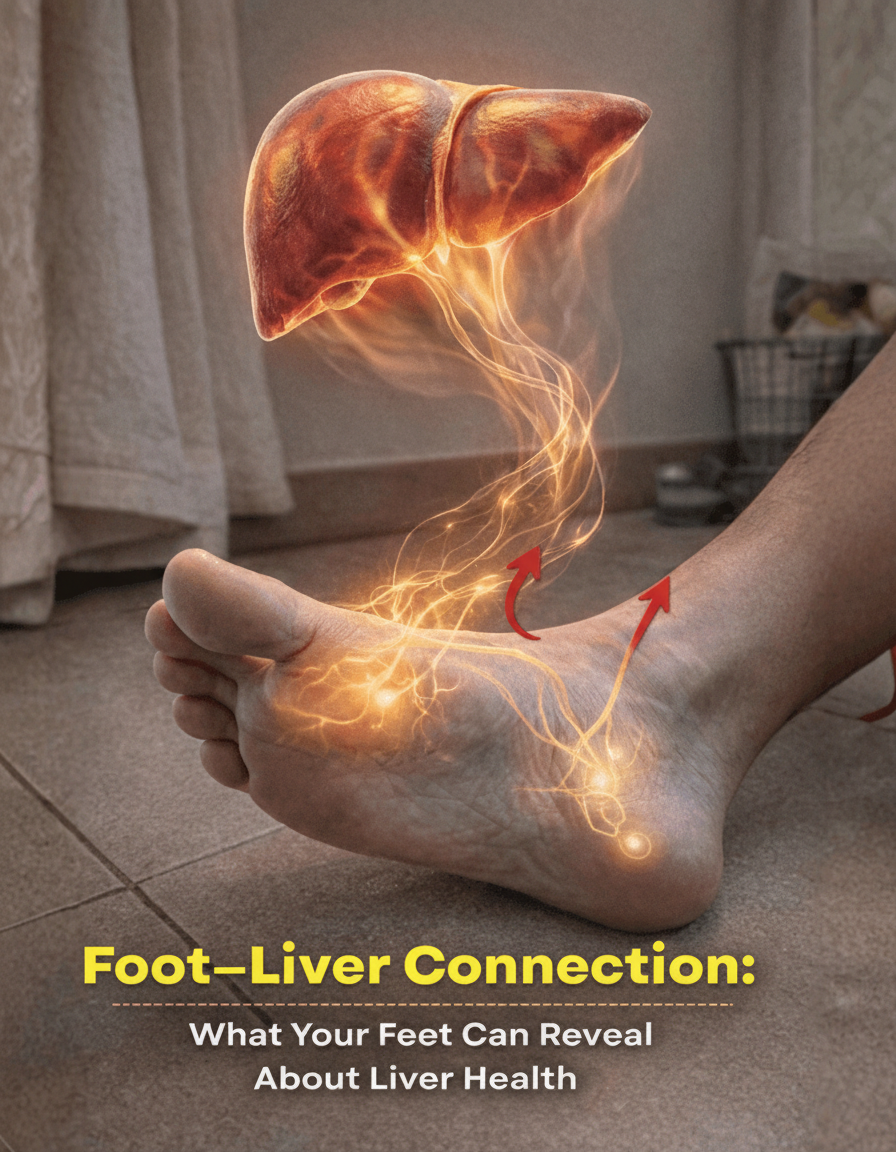
 Do you frequently find your feet or ankles appearing unusually swollen as the day concludes, or experience an irritating, persistent itch on your soles? While these common discomforts might initially seem trivial—perhaps attributed to prolonged standing or ill-fitting footwear—they can occasionally hint at underlying health issues, especially concerning your liver. The liver, a vital organ, diligently performs crucial functions like detoxification, synthesizing essential proteins, and maintaining fluid equilibrium. However, when this powerhouse organ is compromised, it often sends out subtle warnings in unexpected areas, such as your lower limbs and feet. Disregarding these potential indicators could mean missing an early chance to address your liver’s well-being. The good news is that many of these foot-related symptoms can significantly improve once the root cause of liver stress is managed through appropriate lifestyle modifications and professional medical intervention. This article delves into what scientific research and clinical insights reveal about these intriguing connections, empowering you to remain well-informed and proactive about your health.
Why Your Feet Can Signal Liver Concerns
The liver’s influence extends far beyond its anatomical location in the abdomen; it intricately affects numerous bodily systems. Extensive research and clinical evaluations underscore the liver’s pivotal role in regulating fluids, balancing hormones, and maintaining optimal skin health. Consequently, when liver function becomes impaired, its widespread effects can manifest visibly in the extremities, particularly in the feet. Early recognition of these specific patterns can provide crucial insights, enabling you to engage in timely discussions with your healthcare provider.
Swelling in the Feet and Ankles (Pedal Edema)
Among the most frequently observed indicators of liver distress is swelling in the lower limbs, medically termed pedal edema. This phenomenon occurs because the liver is responsible for synthesizing albumin, a crucial protein vital for retaining fluid within the bloodstream. A decline in albumin levels, often a consequence of liver strain, permits fluid to extravasate into adjacent tissues, resulting in noticeable puffiness. This swelling commonly affects the ankles and feet, frequently becoming more pronounced by evening, particularly after extended periods of standing or sitting. A characteristic sign, known as pitting edema, involves a temporary indentation remaining after gentle pressure is applied to the swollen area. Studies confirm that persistent fluid retention, including pedal edema, is a prevalent symptom in various chronic liver conditions. If you observe your footwear feeling increasingly snug or socks leaving prominent indentations, it’s advisable to monitor this symptom—especially if the swelling persists despite rest or elevation.
Changes in Skin Color on the Feet
The visual characteristics of your feet can undergo significant alterations that serve as important clues. A yellowish discoloration, known as jaundice, might emerge due to an accumulation of excess bilirubin, a pigment the liver typically metabolizes and eliminates. When bilirubin processing is impaired, its buildup can subtly tint the soles of the feet or palms. Additionally, a noticeable darkening of the skin around the ankles can sometimes manifest, often associated with metabolic imbalances and prolonged stress on the liver. Since these dermal changes usually progress slowly, reviewing older photographs or consciously observing gradual differences over time can be helpful for early detection.
Persistent Itching on the Soles (Pruritus)
Experiencing relentless itching without an accompanying visible rash can be incredibly vexing—and it frequently acts as a hallmark symptom in specific liver disorders. This occurs when the normal flow of bile is disrupted, leading to an accumulation of bile salts in the bloodstream. These circulating bile salts then irritate nerve endings in the skin, often concentrating the sensation on the soles of the feet or the palms of the hands. Characteristically, this pruritus intensifies during nighttime hours, significantly disturbing sleep. Clinical findings frequently link this symptom to cholestatic conditions, where the proper secretion and flow of bile are compromised. Many individuals describe it as a deep, internal itch that offers little relief from scratching, thereby considerably impacting daily comfort and quality of life.
Redness on the Soles (Plantar Erythema)
A symmetrical reddish discoloration across the soles of the feet, medically termed plantar erythema, can arise from alterations in hormone metabolism and an increased dilation of blood vessels within the skin. This manifestation is analogous to palmar erythema (red palms), which is a widely recognized indicator in various liver conditions. Research indicates that palmar erythema affects a considerable proportion of individuals diagnosed with cirrhosis, regardless of its underlying etiology. The redness typically presents as an even, painless flush, yet it is distinctively noticeable upon inspection of the feet.
Easy Bruising or Small Marks on the Feet
The liver plays a critical role in synthesizing various clotting factors, which are indispensable for effective blood coagulation and preventing excessive bleeding. When liver function is compromised, its ability to produce these vital factors diminishes. Consequently, even slight impacts or minor traumas can result in the formation of bruises or tiny, pinprick-sized red spots, known as petechiae, often appearing on the feet and legs. These marks not only tend to heal at a slower rate but also occur with greater frequency, serving as a clear indication of the liver’s profound involvement in maintaining overall blood health and hemostasis.
Increased Risk of Fungal Infections or Slow-Healing Sores
Compromised liver health can significantly undermine the body’s overall immune response and impair the absorption of essential nutrients. This weakened state renders the feet particularly susceptible to recurring dermatological problems, such as persistent athlete’s foot, dry and cracked skin, or chronic, slow-healing fissures. Furthermore, issues like severely dry, cracked heels frequently exacerbate due to inefficient fat metabolism and prevalent vitamin deficiencies—both common complications in individuals experiencing chronic illnesses, including liver disease.
Burning, Tingling, or Numbness in the Feet
Sensations such as burning, tingling, or numbness, often described as a “pins-and-needles” feeling, in the feet can be indicative of peripheral neuropathy. This nerve damage can arise in the context of advanced liver disease due to several factors. The liver’s inability to effectively detoxify the body can lead to an accumulation of harmful toxins that directly damage nerve tissues. Additionally, impaired nutrient absorption and metabolism, particularly of B vitamins (like B12), which are crucial for nerve health, can contribute to these neuropathic symptoms. These sensations can range from mild discomfort to severe pain, significantly affecting mobility and quality of life.
When to Seek Medical Advice
While these foot-related symptoms can offer valuable clues about potential liver health concerns, it’s crucial to remember that they are indicators, not definitive diagnoses. Many of these signs can also be attributed to other medical conditions. However, if you consistently experience one or more of these symptoms, particularly if they are persistent, worsening, or accompanied by other systemic changes (like unexplained fatigue, changes in appetite, or abdominal discomfort), it is highly advisable to consult a healthcare professional. Early detection and intervention are paramount in managing liver conditions effectively. Your doctor can perform appropriate diagnostic tests to determine the underlying cause and recommend the most suitable course of action, ensuring you receive the care needed for optimal health.