 By admin
 Noticing foam or bubbles in your urine can be a surprising and sometimes unsettling experience. While an occasional bubbly flush is often nothing to worry about, persistent or excessive foam could signal an underlying health condition that warrants attention. Understanding the reasons behind foamy urine, particularly how it relates to your kidney health and overall well-being, is crucial.
This article will explore the common causes of foamy urine, help you identify when it might be a concern, and guide you on when to seek medical advice.
What Causes Foamy Urine?
The appearance of foam in urine typically results from the presence of certain substances, most notably protein, which reduce the surface tension of the urine and create bubbles. While some causes are benign, others may point to a health issue.
Common Reasons for Foamy Urine:
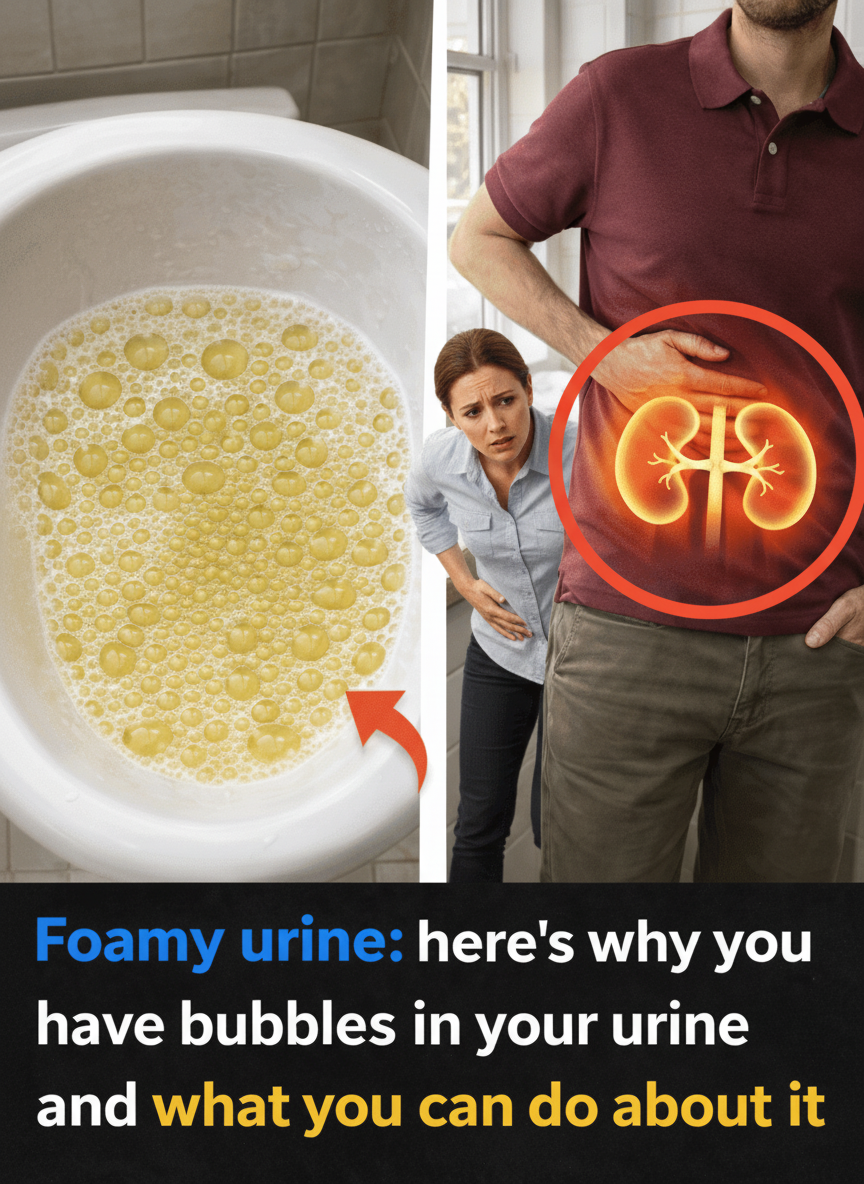
- Proteinuria (Excess Protein in Urine): This is the most frequent cause of persistent foamy urine. Healthy kidneys effectively filter waste while retaining vital proteins like albumin. However, damaged or malfunctioning kidneys may allow protein to leak into the urine, leading to foam.
- Dehydration: When you’re dehydrated, your urine becomes more concentrated. This higher concentration makes it more prone to foaming when it hits the toilet water. It’s usually a temporary and easily resolved issue by increasing fluid intake.
- Urinary Tract Infections (UTIs): Infections in the urinary tract can alter urine composition, potentially causing it to appear cloudy and foamy. UTIs are often accompanied by pain or a burning sensation during urination.
- Kidney Disease: Conditions like Chronic Kidney Disease (CKD) or glomerulonephritis (inflammation of the kidney’s filtering units, nephrons) impair the kidneys’ ability to retain protein in the blood. This protein leakage (proteinuria) manifests as foamy urine.
- High Blood Pressure (Hypertension): Uncontrolled high blood pressure can damage the delicate blood vessels within the kidneys. This damage compromises their filtering function, leading to protein leakage and, consequently, foamy urine.
- Dietary Factors: Certain foods or beverages, such as asparagus, coffee, or alcohol, can temporarily alter urine composition and lead to transient foaming. This effect is generally harmless and resolves once the body processes these substances.
When Should You Be Concerned About Foamy Urine?
While often harmless, foamy urine warrants medical attention if it exhibits certain characteristics or is accompanied by other symptoms:
- Persistent Foam: If your urine consistently appears foamy over several days or weeks, especially without a clear cause like dehydration, it could indicate proteinuria or kidney disease. Be particularly vigilant if this is coupled with other symptoms like swelling or fatigue.
- Swelling or Puffiness (Edema): Swelling in your ankles, feet, hands, or face can be a significant sign of kidney problems. This occurs when excess protein loss leads to fluid retention in the body.
- Changes in Urination Patterns: Noticeable changes such as increased frequency, altered urine color, or a decrease in urine output could signal underlying kidney issues.
- Pain or Discomfort: If foamy urine is accompanied by pain in your lower back, abdomen, or during urination, it could point to a urinary tract infection (UTI), kidney stones, or a more serious kidney infection.
When to Consult a Doctor
If you experience persistent foamy urine or any of the concerning symptoms mentioned above, it’s crucial to consult a healthcare professional for a comprehensive evaluation. Your doctor may recommend several tests to pinpoint the cause:
- Urine Test (Urinalysis): This standard test checks for the presence of protein, blood, sugar, or other abnormalities in your urine that could indicate kidney disease, diabetes, or infections.
- Blood Test: Blood tests, including measurements of creatinine and blood urea nitrogen (BUN) levels, help assess how well your kidneys are functioning.
- Ultrasound or Imaging: If a structural issue with the kidneys or bladder is suspected, imaging tests like an ultrasound may be used to visualize these organs.