 By admin
 Unraveling the Mystery of Your Fingernail Lines
Have you ever found yourself staring at your hands, noticing faint lines on your fingernails, and wondering what they might mean? It’s easy to dismiss them at first, but these subtle marks can often spark curiosity. Your fingernails are far more than just a cosmetic feature; they serve as a unique personal timeline, slowly growing from the nail matrix beneath your cuticle and recording tiny shifts happening within your body. Research suggests that changes in their texture or appearance often link to everyday factors like age, hydration, or nutrient balance. While most lines are harmless, understanding their patterns can empower you to take better control of your overall well-being.
Why Do Fingernail Lines Appear?
Your nails are primarily made of keratin, the same tough protein found in your hair and skin. When your body experiences even brief interruptions in cell production or nutrient delivery, these moments can manifest as visible lines as the nail grows out. Think of it like tree rings marking seasons of growth. Dermatologists note that this natural recording system makes nails one of the first places where subtle bodily changes can appear. The good news is that many of these marks are normal, but sudden or dramatic shifts can sometimes reflect simple lifestyle patterns worth adjusting – and that’s where you can make a real difference.
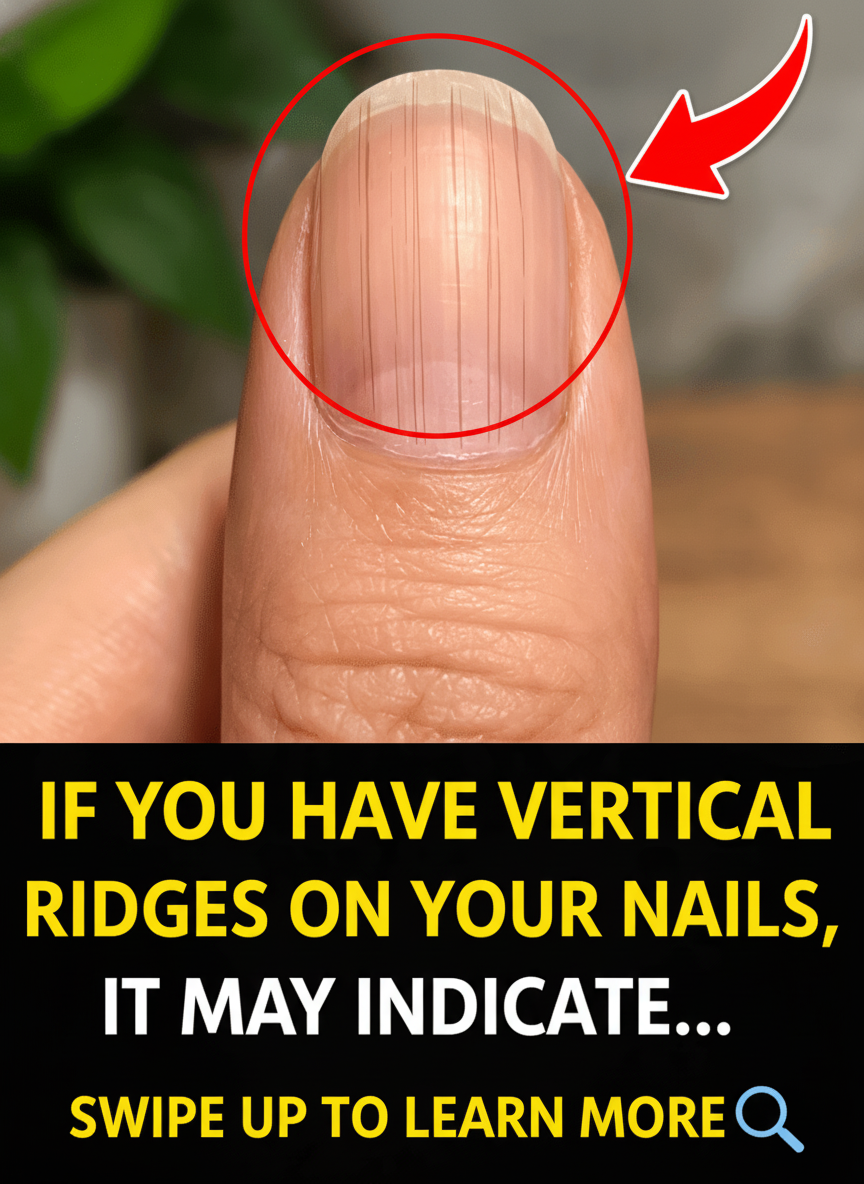
Vertical Lines: The Most Common Type
Vertical ridges, also known as longitudinal ridges, run from the base of your nail to the tip and are the most frequently observed lines, especially after the age of 30 or 40. Here’s why they appear:
- Natural Aging: As cell turnover naturally slows with time, these gentle furrows become more noticeable, much like fine lines on the skin.
- Dehydration: Insufficient hydration can leave nails drier and more prone to texture.
- Minor Wear: Everyday activities like typing, cleaning, or general hand use can contribute.
- Genetic Tendencies: Sometimes, the predisposition to vertical lines can be inherited.
While often benign, if these lines appear quite suddenly or become very pronounced, especially when accompanied by brittleness or splitting, research suggests they may occasionally connect to broader patterns concerning iron levels, vitamin balance, or circulation habits. The key is to notice any accompanying changes.
Horizontal Lines (Beau’s Lines): A Sign of Interrupted Growth
Unlike vertical ridges, Beau’s lines run across the nail, appearing as shallow grooves or dents. These lines typically form when nail growth temporarily pauses. Experts explain that this pause can occur after:
- Periods of high fever or significant illness.
- Major physical stress on the body.
- Temporary nutrient shortfalls, particularly zinc.
- Injury right at the nail base.
An interesting fact is that because nails grow approximately three millimeters per month, these horizontal marks often show up weeks or even months after the triggering event has passed, acting as a delayed snapshot of what your body has experienced.
When Lines Come With Color Changes or Other Clues
Sometimes, lines appear alongside shifts in nail color, such as white spots, yellowing, or even dark streaks. While many color variations are harmless, dermatology sources point out that sudden dark brown or black vertical bands under the nail deserve extra attention. The same applies to nails that turn spoon-shaped or become unusually thick. Your nails can quietly reflect how well your body is absorbing nutrients or handling daily stress, so paying gentle attention without panic helps you stay proactive.
Simple Habits for Stronger, Smoother Nails
Empowering your nail health doesn’t require complex routines or expensive products—just consistent, simple daily habits. Here’s how you can support smoother, stronger nails:
- Hydrate from Within and Without: Drinking enough water is crucial for overall health, including your nails. Additionally, one simple practice most people overlook is regularly moisturizing your hands and cuticles. This can significantly improve nail appearance in just a few weeks.
- Nourish Your Body: A balanced diet rich in essential vitamins (like Biotin and Vitamin E), minerals (such as Zinc and Iron), and protein provides the building blocks for healthy nail growth.
- Protect Your Nails: Wear gloves when doing dishes, cleaning with harsh chemicals, or gardening. Avoid using your nails as tools to open cans or scrape surfaces.
- Gentle Care: File your nails in one direction to prevent splitting. Avoid excessive picking, biting, or aggressive cuticle pushing. Opt for nail polish removers that are acetone-free.
By understanding what your nails might be telling you and adopting these easy daily habits, you can significantly support their health, strength, and overall appearance, making your hands feel confident and cared for every day.