 By admin
 Fenugreek: Unpacking the “Miracle Seed” Hype
Ever found yourself in a conversation about health, only for someone to enthusiastically suggest a “miracle seed” that promises to fix everything? It’s a common scenario, leaving many feeling confused or even embarrassed for not being in on the secret. In our fast-paced digital world, health information (and misinformation) spreads rapidly, making it hard to discern fact from internet hype.
The good news? You’re not alone in your confusion. And the reassuring truth is that this widely discussed “miracle seed” is likely fenugreek, a common kitchen ingredient with a rich history and some genuinely surprising benefits. Let’s separate the facts from the fiction and discover what this humble seed truly offers.
What Exactly is This “Miracle Seed”?
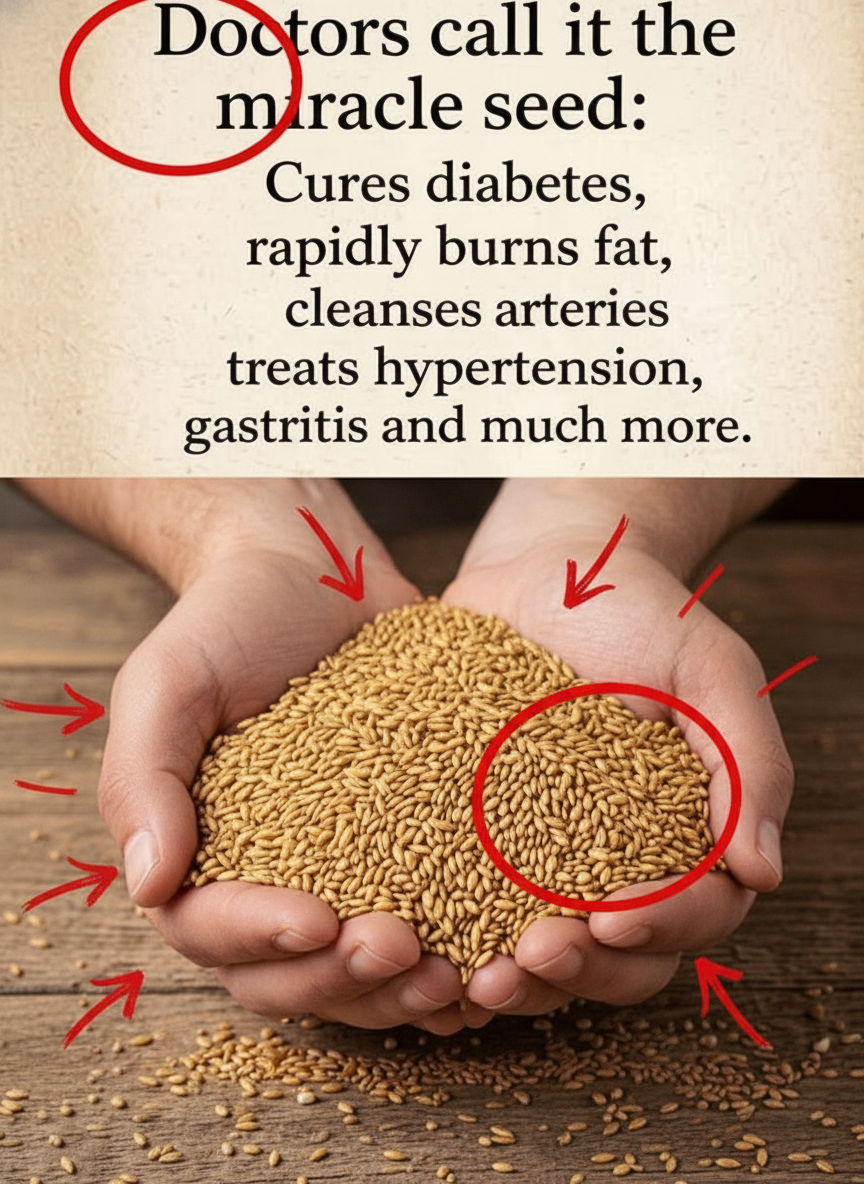
Often lauded as the internet’s latest health sensation, the “miracle seed” is none other than fenugreek seed. These small, golden-brown seeds come from the Trigonella foenum-graecum plant, primarily cultivated across Asia, the Mediterranean, and the Middle East. For centuries, both its leaves and seeds have been staples in traditional cooking, lending a distinctive flavor to curries, soups, breads, and teas.
While the internet might have given it a dramatic moniker, fenugreek’s true value lies in its nutritional profile. It’s packed with valuable nutrients, including fiber, iron, magnesium, and beneficial plant compounds that can support digestion and metabolism. This makes it a healthy addition to your diet, but it’s crucial to understand that fenugreek is a nutritional support, not a magical cure-all.
Why Fenugreek Seeds Are Gaining Attention
Fenugreek’s surge in popularity isn’t entirely baseless. Researchers have explored several of its potential health effects, shedding light on why it frequently appears in viral health discussions. Here are some key areas of scientific interest:
- 1. Digestive Wellness: Fenugreek is rich in soluble fiber, which forms a gel-like substance in the digestive tract when it absorbs water. This can help:
- Support regular bowel movements
- Promote a feeling of fullness
- Potentially reduce occasional stomach discomfort
The fiber also helps slow digestion and carbohydrate absorption, which can influence blood sugar balance.
- 2. Blood Sugar Support: Some studies suggest fenugreek may contribute to healthy glucose metabolism. Compounds like galactomannan fiber and certain amino acids are believed to play a role. However, it’s vital to remember that these studies often involve controlled doses and fenugreek should never replace medical advice or prescribed treatments for blood sugar management.
- 3. Heart Health: Preliminary research has investigated how certain plant compounds in fenugreek might influence the body’s processing of fats. This includes potential roles in:
- Supporting balanced cholesterol levels
- Improving lipid metabolism
Again, these findings suggest supportive effects and are not guaranteed outcomes.
- 4. Appetite & Weight Management: Thanks to its high fiber content, fenugreek may help increase feelings of fullness after meals, potentially reducing overeating. However, weight management is a complex process influenced by diet, exercise, sleep, and overall health. Fenugreek alone cannot replace a comprehensive healthy lifestyle.
Simple Ways to Incorporate Fenugreek into Your Day
Part of fenugreek’s appeal is its versatility and ease of use in daily routines. Here are two popular methods:
Soaked Fenugreek Seeds
This is a widely shared traditional practice:
- Ingredients: 1 teaspoon fenugreek seeds, 1 cup drinking water.
- Instructions:
- Soak the fenugreek seeds in water overnight.
- The next morning, drink the water.
- Some individuals also choose to chew the softened seeds.
Fenugreek Tea
A gentle and soothing way to consume fenugreek:
- Ingredients: 1 teaspoon fenugreek seeds, 1 cup boiling water.
- Instructions:
- Boil the fenugreek seeds in water for approximately 10 minutes.
- Strain the liquid to remove the seeds.
- Drink the warm tea once or twice daily.
The Bottom Line: Beyond the Hype
Fenugreek is far from a mere internet fad. It’s a nutrient-rich seed with a long history of traditional use and promising potential health benefits. However, responsible health choices mean viewing it as a valuable, supportive dietary addition, not a miraculous cure-all. Always consult a healthcare professional for personalized advice, especially if you have underlying health conditions or are taking medication.