 By admin
 Cardiovascular disease continues to be a primary health challenge for adults globally, with significant contributors including chronic stress, elevated blood pressure, and various lifestyle choices that escalate risks over time. The relentless pace of modern life often leads to accumulating pressures, subtly undermining our cardiovascular wellness and prompting a search for straightforward, comforting methods to alleviate this burden. What if a beloved feline companion, a familiar presence in countless households worldwide, held an unexpected key to supporting heart health? Emerging research into cat ownership reveals fascinating trends in cardiovascular health outcomes—connections that merit deeper exploration. Continue reading to delve into the pivotal findings and understand how daily interactions with your cat might positively influence your well-being.
Pioneering Research: The Link Between Cat Ownership and Reduced Heart Disease Risk
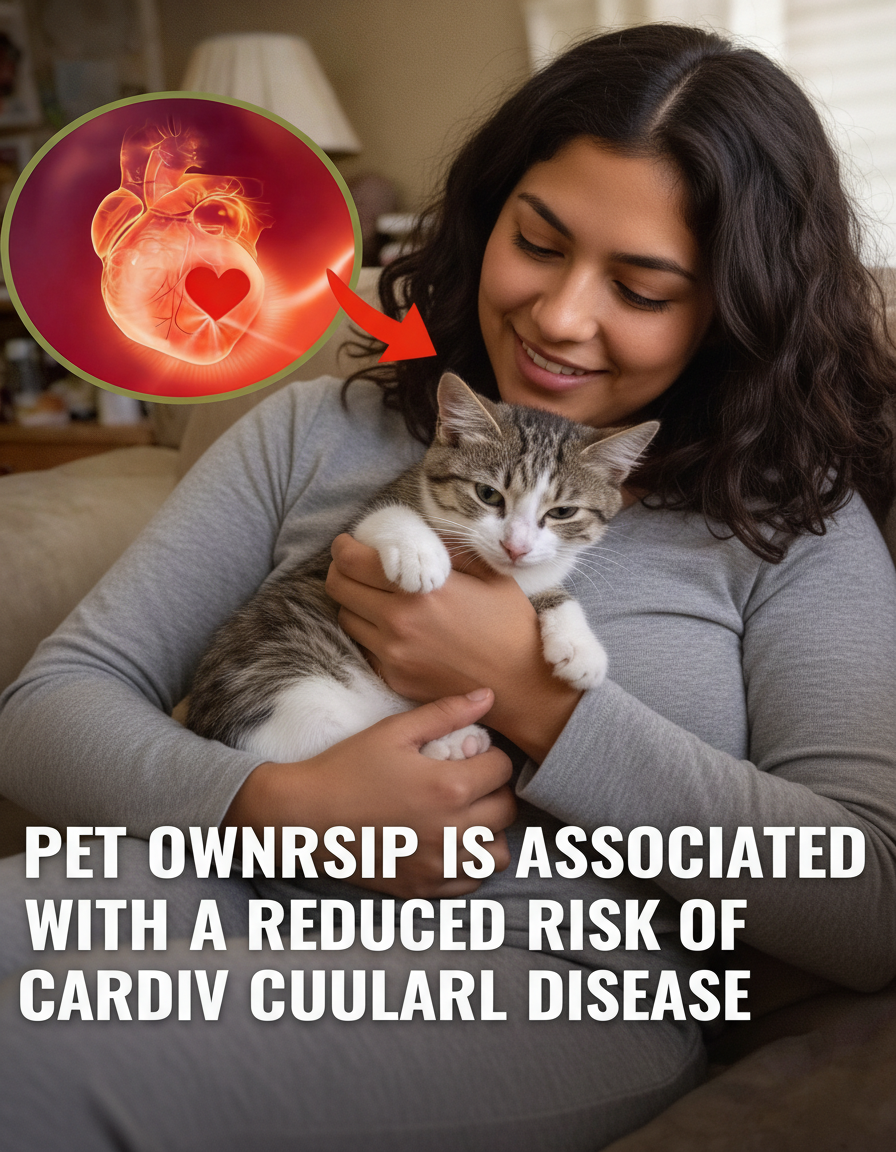
A frequently cited and foundational study on this topic originated from the University of Minnesota’s Stroke Institute. Researchers there meticulously examined health data from more than 4,400 adults, ranging from 30 to 75 years old, sourced from the comprehensive National Health and Nutrition Examination Survey (NHANES). For analysis, participants were categorized into individuals with a history of cat ownership and those who had never owned a feline. Over a substantial follow-up period, spanning approximately 10 years (with some subsequent reports extending these observations), scientists carefully monitored various cardiovascular outcomes. The groundbreaking results revealed that individuals with a history of cat ownership exhibited a remarkably lower risk—approximately 30-40% reduced risk—of mortality from heart attacks when compared to non-owners. This significant finding held true even after rigorous adjustments for crucial confounding variables such as age, gender, smoking status, existing high blood pressure, cholesterol levels, diabetes, and body mass index. Dr. Adnan Qureshi, who spearheaded this research, commented that the observed correlations were more robust than initially projected, though he duly stressed that these findings indicate strong associations rather than definitive proof of a direct cause-and-effect relationship. This initial insight, however, only begins to unravel the potential benefits. Furthermore, various other scientific investigations have explored analogous connections, with prominent bodies like the American Heart Association actively evaluating the growing body of evidence concerning pet ownership and its role in cardiovascular support.
Unraveling the Mechanisms: How Feline Companionship May Bolster Heart Health
The compelling connection between cat ownership and improved heart health largely stems from how felines assist in managing daily stress—a well-established factor contributing to cardiovascular strain.
- Stress Hormone Modulation: Engaging in gentle interactions with a cat, such as petting, actively promotes a state of relaxation. This often results in a measurable decrease in cortisol, the primary stress hormone, alongside an increase in oxytocin, often called the “love hormone,” which fosters feelings of calm, contentment, and social bonding.
- Stabilized Heart Rate and Blood Pressure: Studies examining human-pet interactions consistently demonstrate that individuals tend to exhibit lower baseline resting heart rates and blood pressure levels. Furthermore, they often show a quicker recovery from acute stressful episodes when regularly interacting with pets.
- The Therapeutic Power of Purring: Cats possess a unique ability to purr, generating vibrations within a specific frequency range of 20-150 Hz. Some specialists theorize that these low-frequency vibrations can induce a profound sense of relaxation, akin to therapeutic sound frequencies employed in various wellness practices. This phenomenon may potentially contribute to reduced inflammation and an overarching sense of tranquility during close physical contact.
Moreover, distinguishing cats from more high-maintenance pets, their inherently independent nature often translates to less added pressure on their owners. The absence of stringent demands like scheduled walks can significantly contribute to keeping daily stress levels manageable.
Consider these intertwined mechanisms that collectively contribute to these health benefits:
- Petting and Stroking: Activates the parasympathetic nervous system, enhancing heart rate variability, a marker of cardiovascular resilience.
- Purring Exposure: Low-frequency vibrations may promote tissue relaxation and induce a state of profound calm.
- Consistent Companionship Routines: Predictable and comforting interactions help to cultivate emotional stability and a sense of purpose.
Together, these diverse elements synergistically create a nurturing and calming environment, which can, over the long term, profoundly and indirectly support overall cardiovascular wellness.
Feline Companionship as a Buffer Against Chronic Stress
Persistent, chronic stress silently erodes physical health by fueling systemic inflammation, causing sustained elevations in blood pressure, and significantly contributing to the accumulation of arterial plaque. Cat ownership offers a unique intervention, effectively disrupting this detrimental cycle through the provision of straightforward, unwavering companionship. Regular daily rituals—such as consistent feeding times, playful interactions, or comforting lap cuddles—instill a sense of predictable structure and emotional security, actively mitigating feelings of anxiety and overwhelm. Scientific investigations consistently reveal that tactile interactions with pets stimulate specific brain regions associated with emotional regulation, thereby facilitating a crucial physiological shift towards a state of profound relaxation. What’s particularly noteworthy is that even brief, intermittent moments spent interacting with a cat can elicit profound calming responses, empowering individuals to more easily sustain balanced, heart-healthy routines.
Important Considerations and Future Research: A Nuanced Perspective
While a significant body of research highlights positive associations between cat ownership and cardiovascular benefits, it’s crucial to acknowledge that scientific findings are not entirely uniform. Some earlier studies, for instance, have reported more varied outcomes, particularly concerning individuals post-heart events. Factors such as allergies could play a confounding role for certain individuals; it’s estimated that 10-20% of adults experience pet allergies, which, in some cases, can trigger inflammatory responses.
Furthermore, it’s vital to remember that many of these influential studies employ an observational design. This methodological approach, while valuable for identifying correlations, inherently prevents us from definitively confirming a direct cause-and-effect relationship. It’s plausible, for example, that certain personality traits—such as individuals who are naturally predisposed to lower stress levels—might be more inclined to own pets, and these inherent traits could independently contribute to better heart outcomes, rather than cat ownership being the sole or direct cause. Consequently, the scientific community emphasizes the need for more rigorous, controlled research to precisely delineate any direct links and mechanisms. If you experience severe pet allergies or other health conditions, always consult with a healthcare professional regarding pet ownership.