 By admin
Introduction
Rue, scientifically known as Ruta graveolens, and sometimes referred to as herb-of-grace, is a perennial medicinal plant with a rich history of global use. For centuries, this herb has been a traditional remedy for alleviating pain and reducing inflammation, particularly noted for its application in soothing aching joints and sore muscles.
What Is Rue?
Rue is characterized as a distinctive blue-green leafy shrub, originating from the Mediterranean region. Today, it is cultivated worldwide, valued for both its ornamental appeal and its therapeutic qualities. This plant is recognized for its potent aroma and is rich in various biologically active compounds. These include flavonoids such as rutin, along with alkaloids and essential oils, all of which are believed to contribute significantly to its reputed medicinal benefits.
Pain-Relieving Properties
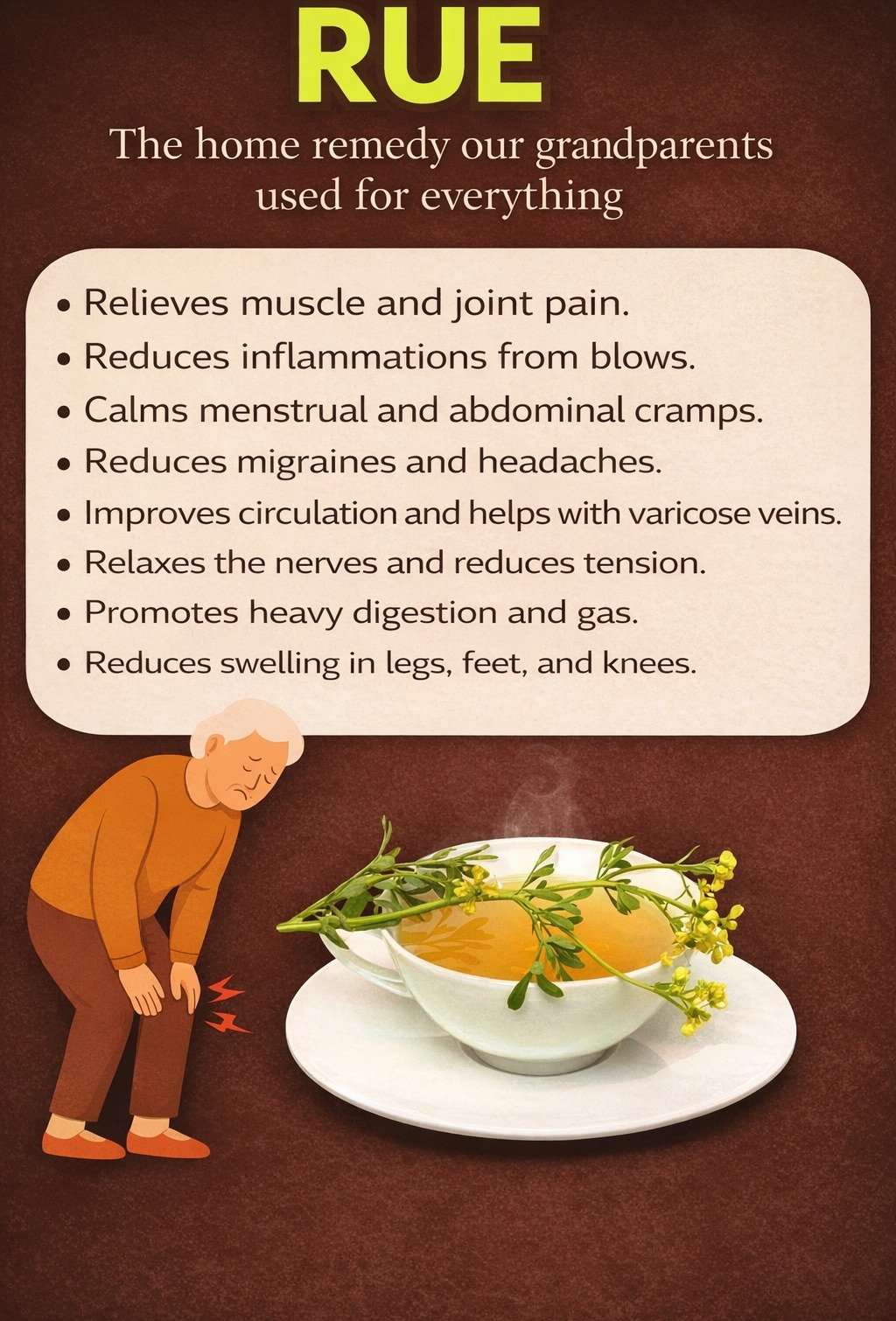
Among rue’s most prominent traditional applications is its role in pain management, specifically targeting conditions like joint stiffness, muscle soreness, and general rheumatic discomfort. Herbalists frequently connect these benefits to the plant’s inherent anti-inflammatory and analgesic effects, which are thought to be instrumental in diminishing swelling and providing relief to tender, aching tissues.
How Rue Helps with Joint & Muscle Pain
-
Anti-inflammatory Compounds: Rue is rich in flavonoids and various other phytochemicals, which are believed to play a role in mitigating the inflammation often linked with joint discomfort and pain.
-
Analgesic Activity: Historically, rue has been employed in herbal medicine to help alleviate mild to moderate pain experienced in muscles and connective tissues.
-
Improved Circulation: It is theorized that certain bioactive constituents within rue may enhance blood circulation, a mechanism that could potentially lessen stiffness and ease discomfort in affected joints.
Traditional Forms of Use
Throughout history, herbalists have utilized rue in various preparations to address pain:
-
Topical Applications: Often, rue leaves or their extracts are prepared as poultices or pastes for direct application onto areas experiencing muscle or joint discomfort.
-
Rue Tea or Infusion: While contemporary clinical research does not extensively back this, rue has been traditionally consumed as a tea, intended to foster general relaxation and provide gentle pain alleviation.
-
External Oils: Oils infused with rue are sometimes carefully massaged onto painful areas, with the aim of soothing inflammation.
It is crucial to understand that relying solely on traditional uses should never supersede professional medical advice. Individuals must exercise extreme caution regarding the dosage and preparation of rue.
Precautions
Rue carries the risk of toxicity, especially when used in substantial quantities, and is therefore not universally safe. Excessive doses can lead to adverse side effects. Furthermore, the plant exhibits phototoxic characteristics, meaning it can induce skin irritation if the treated area is subsequently exposed to sunlight. It is particularly vital for pregnant women, children, and individuals with specific health conditions to refrain from using rue without explicit guidance from a qualified healthcare professional.
Conclusion
Rue stands as a time-honored herbal remedy, deeply rooted in traditions for addressing joint and muscle discomfort. Its components, recognized for their anti-inflammatory and analgesic properties, have established it as a favored option in folk medicine, despite the current scarcity of extensive modern scientific validation. Should you be contemplating the use of rue for relief, it is imperative to seek advice from a healthcare provider to guarantee its safe application and to mitigate any potential hazards.