 By admin
 Many of us, especially as we get older, face a common dilemma: a medicine cabinet overflowing with various pills for pain, digestion, blood sugar, and more. While these medications are undoubtedly important and often essential, relying solely on them without integrating supportive daily habits can leave us feeling a little uneasy.
The good news is that nature has always been a powerful ally in human health. For centuries, various herbs and foods have been used for their natural compounds that may offer support to the body in ways reminiscent of some common medicines. It’s crucial to understand that these herbs are not replacements for prescribed treatments but can serve as valuable components of a holistic, healthy routine.
What’s truly fascinating is that some ordinary kitchen herbs, often overlooked, contain natural compounds that researchers suggest may support the same body systems targeted by familiar medications. By the end of this article, you might just view your spice rack with a newfound appreciation.
Peppermint: A Refreshing Approach to Comfort
Peppermint has been cherished in traditional herbal practices for hundreds of years, primarily for its ability to support digestive comfort and promote muscle relaxation. Beyond its invigorating aroma, peppermint contains natural compounds like menthol, which may help soothe minor discomfort.
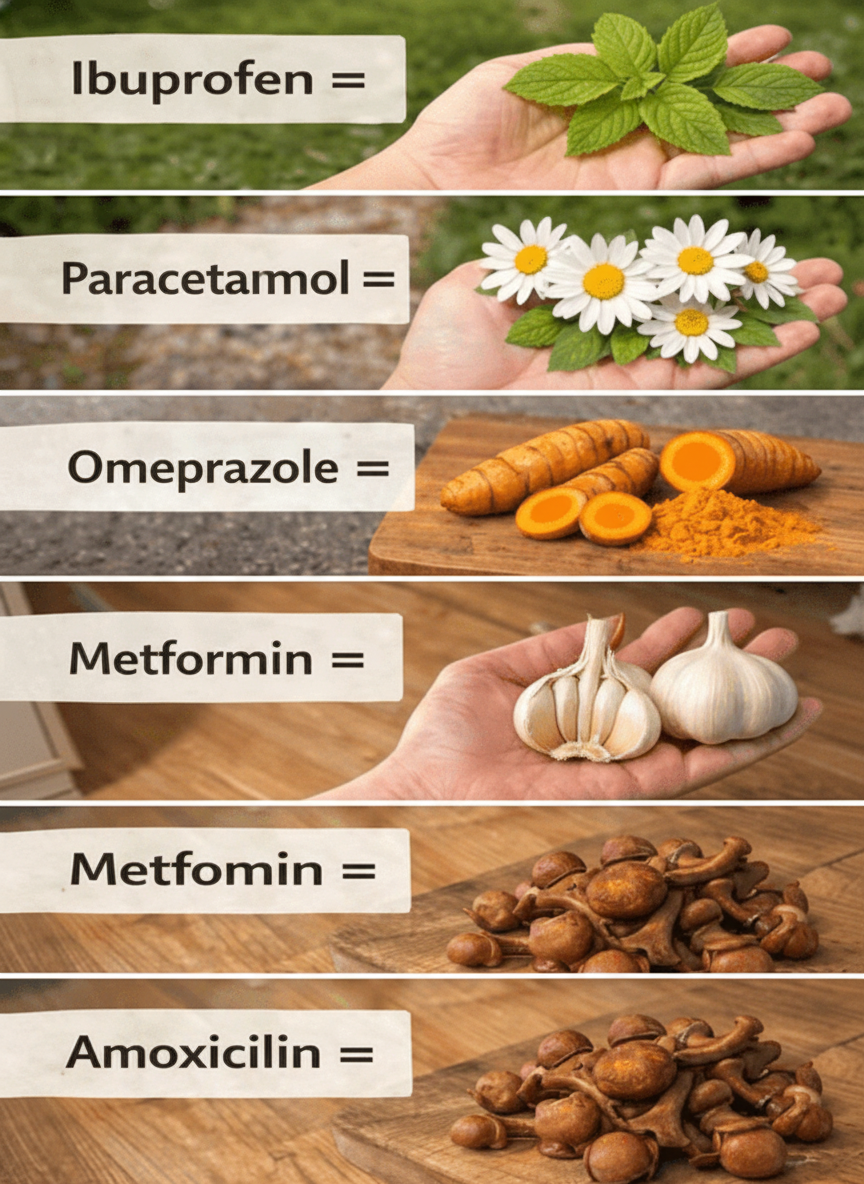
Studies on peppermint oil have observed that menthol may contribute to relaxing smooth muscles within the digestive system, which is why a warm cup of peppermint tea is often recommended after meals. Many find peppermint’s soothing effects comparable to the comfort provided by common pain relievers such as Ibuprofen. However, it’s important to note that peppermint works through different mechanisms and should never replace prescribed medications.
Simple ways to enjoy peppermint:
- Sip peppermint tea after meals.
- Add fresh mint leaves to warm water for a refreshing drink.
- Use peppermint essential oil in aromatherapy for relaxation.
Chamomile: Gentle Support for Calm and Ease
One of the world’s most beloved herbal teas, chamomile is widely recognized for its association with relaxation, sleep support, and digestive comfort. Traditionally, chamomile is revered as a calming herb.
Modern research has delved into compounds like apigenin, found in chamomile flowers, which may support relaxation and provide gentle relief from mild discomfort. Some draw a loose comparison between chamomile’s calming properties and medications like Paracetamol, in the sense that both can help promote a sense of comfort during minor ailments. However, chamomile offers a much gentler and more gradual effect.
Ways to incorporate chamomile:
- Enjoy warm chamomile tea before bedtime.
- Blend dried chamomile flowers into other herbal infusions.
- Apply chamomile compresses for soothing skin care.
Turmeric: Balancing Digestive Wellness
While turmeric has recently garnered global attention, it has been a cornerstone in cooking and wellness practices across many cultures for centuries. The active compound, curcumin, is extensively studied for its potential anti-inflammatory properties and its role in supporting digestive balance.
Given turmeric’s potential to support stomach comfort, some people liken its effects to medications like Omeprazole, commonly used for stomach acid management. However, it’s vital to understand that turmeric does not reduce stomach acid in the same direct manner as these medications. Instead, when integrated into a balanced diet, turmeric may contribute to overall digestive wellness.
Common ways to include turmeric:
- Add turmeric powder to soups, stews, or roasted vegetables.
- Prepare warm turmeric milk (often called “golden milk”).
- Combine turmeric with black pepper to enhance absorption.
Garlic: A Potent Ally for Metabolic Health
More than just a culinary staple, garlic has been valued for its profound health-supporting properties by cultures worldwide for millennia. It contains potent sulfur compounds, such as allicin, which researchers have investigated for their possible effects on cardiovascular health, immune support, and metabolic balance.
Due to these properties, garlic is occasionally mentioned alongside medications like Metformin in discussions about natural approaches to blood sugar support. Nevertheless, garlic is not a substitute for medical treatment. Instead, it can play a supportive role in overall metabolic health when included as part of a well-rounded diet.
Easy ways to incorporate garlic daily:
- Add crushed garlic to cooked vegetables or stir-fries.
- Use garlic generously in soups, sauces, and dressings.
- Consume small amounts of raw garlic with meals for maximum benefit.