 By admin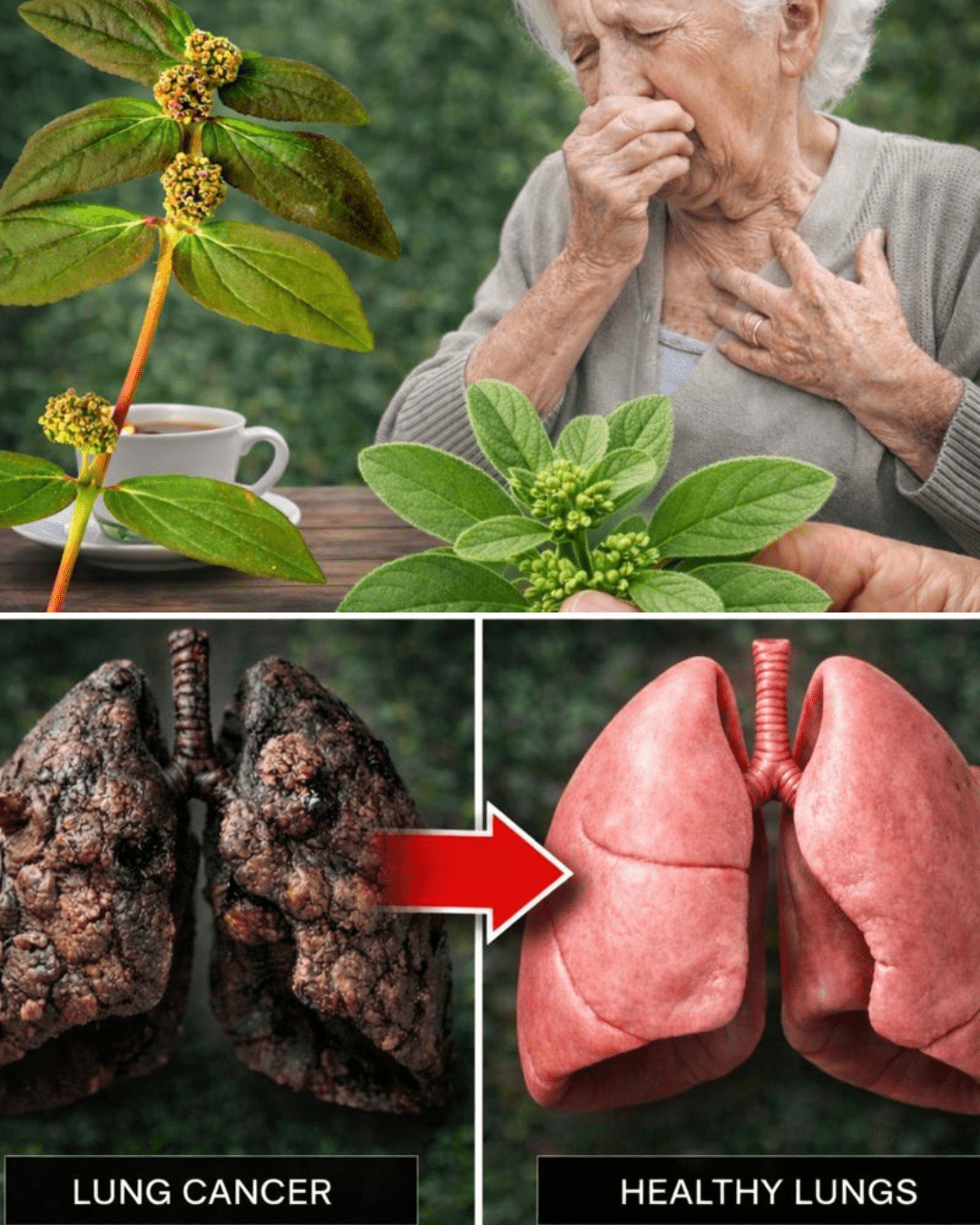
Struggling with occasional breathing discomfort during seasonal changes or environmental irritants can feel frustrating and exhausting. That persistent cough, tightness in the chest, or mucus buildup disrupts daily life, leaving you searching for natural ways to find relief. Yet many options either fall short or come with unwanted side effects.
What if a simple plant, often dismissed as a roadside weed, has been used for generations to gently support respiratory and whole-body comfort? Keep reading to discover why researchers are taking a closer look—and the one key principle you must follow for safe use.

What Is Euphorbia Hirta?
Euphorbia hirta, commonly called asthma weed or garden spurge, is a small annual herb that thrives in tropical and subtropical regions worldwide. It grows low to the ground with hairy stems, opposite leaves, and tiny clustered flowers.
Often found along roadsides, in gardens, or waste areas, this plant has a long history in traditional herbal practices across Asia, Africa, and Latin America. Its milky latex is characteristic of the Euphorbiaceae family.
But here’s the interesting part: Studies have identified compounds like flavonoids (such as quercetin and kaempferol), tannins, polyphenols, and triterpenes that contribute to its traditional supportive roles. Research suggests these may offer antioxidant and anti-inflammatory activities.

Why Researchers Are Paying Attention to Its Compounds
The plant’s natural compounds have sparked scientific interest.
- Flavonoids and polyphenols → Act as antioxidants, helping protect cells from oxidative stress (as noted in pharmacological reviews).
- Tannins → Traditionally linked to antimicrobial properties.
- Other bioactive elements → Including alkaloids and phytosterols, studied for potential anti-inflammatory effects.
These findings come from lab and animal studies—human clinical evidence is still limited, but the traditional use spans centuries.
This isn’t about overnight miracles. It’s about understanding how nature’s subtle allies might complement a healthy lifestyle.

Traditional Support for Respiratory Comfort
One of the most well-known traditional uses of Euphorbia hirta is for breathing ease.
In folk medicine, it’s been prepared as a tea or decoction to:
- Help soothe irritated airways
- Support natural mucus clearance (gentle expectorant action)
- Ease occasional throat and chest discomfort
Preclinical research has explored its bronchodilator and anti-inflammatory potential, which may explain why it’s earned the nickname “asthma weed.”
Important reminder: This plant does not treat or cure asthma, bronchitis, or any respiratory condition. Always continue prescribed medications and consult your doctor.
But that hasn’t stopped growing interest in its supportive role alongside conventional care.

How It May Support Immune and Microbial Balance
Traditional systems have used Euphorbia hirta to help the body respond to everyday challenges.
Studies on its extracts suggest:
- Antimicrobial activity against certain bacteria and fungi
- Support for the body’s natural defense mechanisms
- Antioxidant effects from flavonoids that combat free radicals
Again, these are from lab studies—real-world results vary, and it’s best viewed as a complementary herb.
Here’s a quick overview of researched compounds linked to these effects:
| Compound Class | Potential Activity | Supporting Evidence |
|---|---|---|
| Flavonoids (e.g., quercetin) | Antioxidant, anti-inflammatory | Multiple pharmacological reviews |
| Tannins | Antimicrobial | In vitro studies |
| Polyphenols | Immune modulation | Animal model research |
Skin and External Wellness in Traditional Practice
Externally, crushed leaves or diluted preparations have been applied traditionally to:
- Soothe minor skin irritations
- Support natural healing of small wounds
- Maintain skin hygiene
Its anti-inflammatory compounds may play a role here, but always patch-test first and avoid open wounds.
Inflammation Balance and Daily Comfort
Feeling stiff after activity or dealing with occasional aches? Traditional users turn to Euphorbia hirta for gentle support.
Research highlights potential to:
- Help maintain a healthy inflammatory response
- Support joint and muscle comfort
This makes it intriguing for those seeking natural ways to stay active.
The truth is, consistent healthy habits—like movement and nutrition—amplify any herbal support.
Digestive and Gut Support Traditions
In many cultures, it’s brewed into tea for occasional digestive upset.
Traditional benefits include:
- Easing bloating and discomfort
- Supporting gut balance during mild issues
- Promoting overall digestive comfort
Tannins and fiber-like components are thought to contribute.
Other Areas of Traditional Interest
Less commonly discussed, but still noted in ethnobotanical records:
- Supporting healthy fluid balance (diuretic-like effects in studies)
- Promoting relaxation during stress
- General vitality and well-being
These uses highlight its versatility—but also underscore the need for responsible application.
Actionable Tips: How to Explore Euphorbia Hirta Safely
Ready to try it as a supportive herb? Start small and smart.
- Consult a professional first — Especially if you have health conditions or take medications.
- Choose quality sources — Opt for reputable herbal teas or standardized extracts.
- Traditional tea preparation — Steep 1–2 teaspoons of dried aerial parts in hot water for 5–10 minutes. Start with 1 cup daily.
- Monitor your response — Note how you feel and stop if any discomfort arises.
- Combine with habits — Pair with deep breathing exercises, hydration, and anti-inflammatory foods for better respiratory support.
Remember: This is supportive, not substitutive.
Final Thoughts: A Humble Plant with Thoughtful Potential
Euphorbia hirta reminds us that sometimes the most accessible plants hold time-tested wisdom. Its compounds offer intriguing support for respiratory comfort, immune balance, and overall wellness—backed by traditional use and emerging research.
When used responsibly, it can be a gentle addition to your routine. But the real power lies in listening to your body and working with healthcare experts.
Nature doesn’t shout its secrets—it whispers them through plants like this one growing quietly at our feet.
Frequently Asked Questions (FAQ)
1. Is Euphorbia hirta safe for daily use?
Moderate, short-term use appears safe for most healthy adults based on traditional practices. However, long-term or high doses may cause side effects like nausea. Always consult a healthcare provider.
2. Can it help with asthma symptoms?
It’s traditionally used for respiratory support, and some studies suggest bronchodilator effects, but it does not treat asthma. Never replace inhalers or prescribed treatments.
3. Are there any side effects or precautions?
Possible mild stomach upset or skin irritation. Avoid during pregnancy/breastfeeding due to limited safety data. Not recommended for those with stomach issues.
Disclaimer: This article is for informational purposes only and is not medical advice. It does not diagnose, treat, cure, or prevent any disease. Consult a qualified healthcare professional before using any herbal remedies, especially if you have health conditions or are taking medications.
(Word count: approximately 1,350)