 By admin
 Euphorbia Hirta for Eye Health: Unpacking Traditional Wisdom, Scientific Clues, and Crucial Safety Advice
After another day spent staring at screens, do your eyes feel the familiar strain, making simple tasks like reading or driving a chore? Many seek gentle, natural ways to support eye comfort without drastic changes. One such overlooked herb, Euphorbia hirta, offers a fascinating blend of traditional uses and emerging scientific insights, but its exploration demands extreme caution and expert guidance.
Understanding Euphorbia Hirta: A Plant with a Potent Secret
This common, low-growing herb thrives in warm climates globally, recognized by its small green leaves, tiny flowers, and a distinctive milky sap that oozes when stems break. Known by names like “asthma plant” or “tawa-tawa,” it has a history in ethnobotanical records for various ailments, including respiratory issues. However, its relevance to eye wellness comes with a critical warning: the milky latex is highly irritating to delicate tissues. Therefore, raw sap should never be used near the eyes. Any consideration for eye support must involve very specific, prepared forms and professional consultation.
Traditional Eye Uses: Anecdotal Wisdom from Across the Globe
Across tropical regions of Asia, Africa, and Latin America, folk medicine has historically employed Euphorbia hirta to soothe minor eye irritations. These practices, born from generations of observation, include:
- Diluted stem sap applied sparingly to lower eyelids for minor sores or styes.
- Warmed leaf poultices placed externally to calm surface redness or swelling.
- Certain juice preparations used in West African traditions for general eye comfort.
These methods were often linked to the plant’s perceived calming and antimicrobial properties. However, it is crucial to remember these are anecdotal accounts, lacking the rigorous safety standards and large-scale clinical trials of modern medicine. They offer a glimpse into historical use, not a recommendation for self-treatment today.
Scientific Glimmers: Antioxidant Potential in the Lab
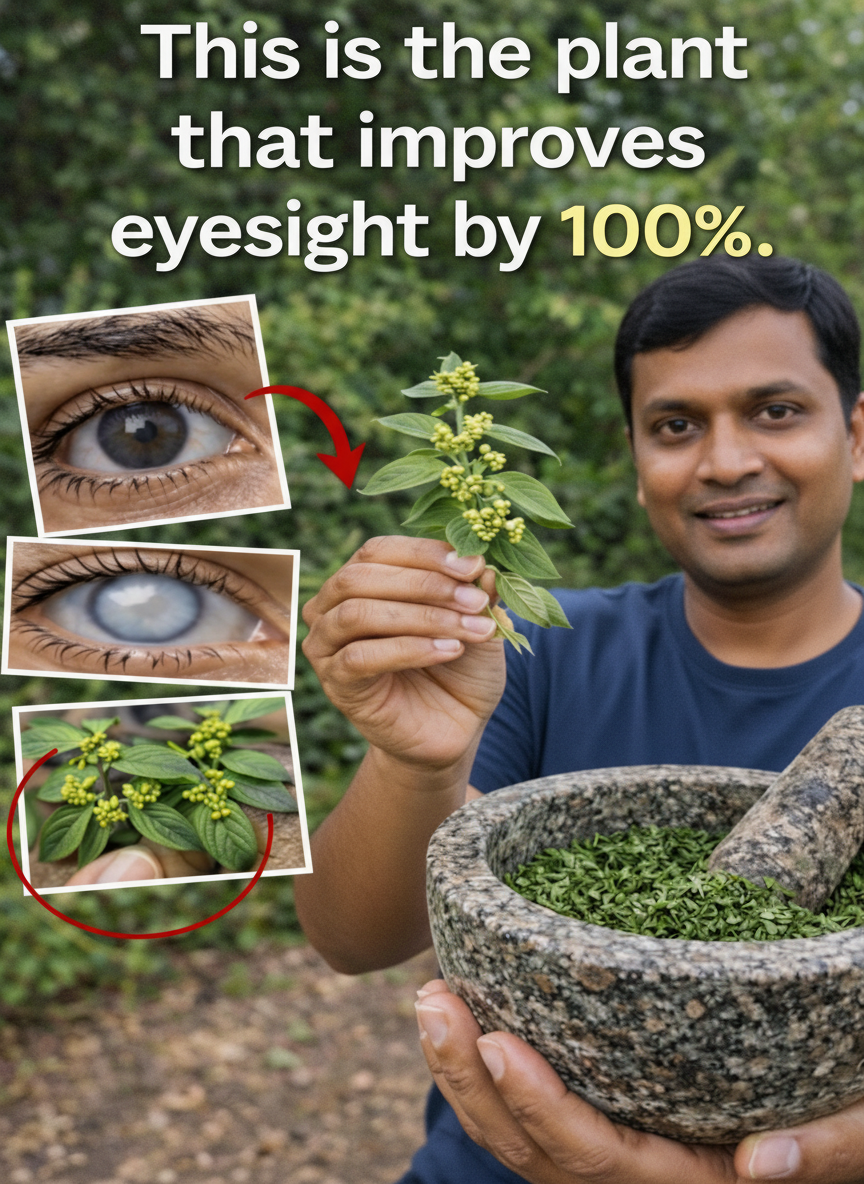
Modern science has begun to investigate Euphorbia hirta extracts in controlled settings. A notable 2013 animal study explored its effects against naphthalene-induced cataracts in rats, a model for oxidative lens stress. Researchers observed that the extract appeared to delay both the onset and progression of lens opacity. This protective effect was attributed to the plant’s flavonoids and tannins, known for their antioxidant capabilities in neutralizing free radicals.
Important Note: These promising results are confined to laboratory animal studies. Human trials are extremely limited, and experts emphasize that direct translation to human daily use requires substantial further research. While the antioxidant profile sparks interest, it does not currently support any claims for vision improvement or cataract prevention in humans.
Practical Considerations for Eye Comfort & Essential Safety
For individuals experiencing everyday eye strain from screens, dry air, or fatigue, Euphorbia hirta might offer mild external soothing support when used correctly and cautiously. Some wellness communities have described cooled infusions or traditional compresses (never applied directly into the eyes) as providing external relief, potentially due to the plant’s anti-inflammatory compounds noted in lab tests.
However, the paramount message is safety:
- Never use raw sap directly on or near the eyes. Its latex is a severe irritant.
- Always consult a healthcare professional or qualified herbalist before considering any herbal remedy for eye health.
- Only use professionally prepared and vetted forms, and strictly for external applications under expert guidance.
- Euphorbia hirta is for minor discomfort, not a cure for serious eye conditions or vision problems.
- Complement any herbal exploration with established eye care practices, such as the 20-20-20 rule (every 20 minutes, look at something 20 feet away for 20 seconds).
In conclusion, Euphorbia hirta presents an intriguing subject where traditional practices meet nascent scientific inquiry. Its potential for eye wellness, particularly concerning antioxidant support and minor external soothing, is compelling. Yet, the journey from folk remedy to safe, effective modern application is long and paved with critical safety considerations. Prioritize professional medical advice and proven eye care strategies above all else.