 By admin
 Many individuals frequently encounter common daily discomforts, ranging from occasional digestive issues and mild respiratory irritation to general fatigue. In their quest for relief, a growing number are exploring natural alternatives. These everyday challenges can significantly impact well-being, prompting a search for gentle, plant-based remedies to restore balance. Among these natural options, Euphorbia hirta, a prevalent herb found in tropical regions, stands out. It boasts a rich heritage in traditional healing practices and is now capturing the attention of contemporary research due to its promising bioactive compounds. But what exactly does the scientific and historical evidence reveal about this fascinating plant?
This comprehensive guide will delve into the background of Euphorbia hirta, exploring its well-documented traditional applications, emerging scientific insights, and crucial practical considerations. Join us as we uncover the multifaceted story of this remarkable botanical, offering a balanced perspective on its potential.
What Is Euphorbia Hirta?
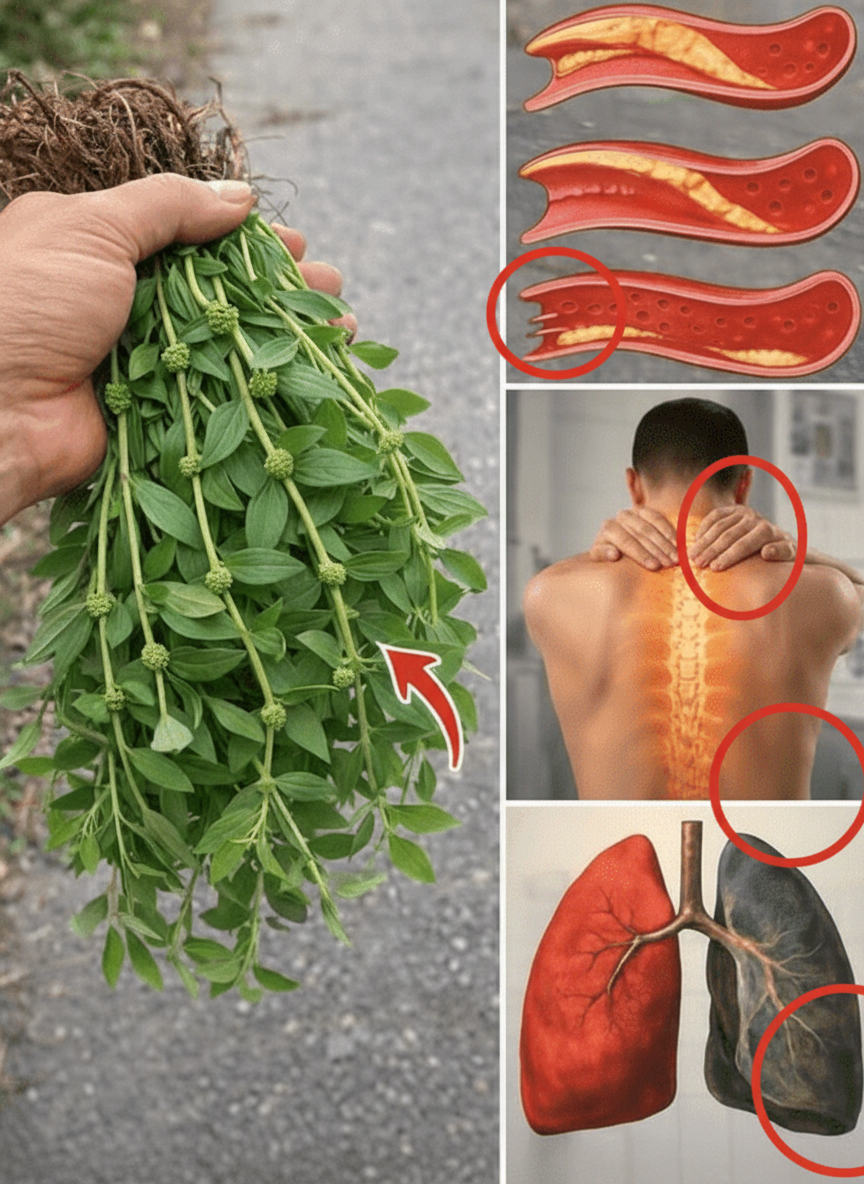
Commonly known as the asthma plant or tawa-tawa, Euphorbia hirta is a diminutive annual herb belonging to the Euphorbiaceae family. This resilient plant thrives across vast tropical and subtropical expanses, including parts of Asia, Africa, and the Americas. It is frequently observed growing wild in diverse environments such as gardens, fields, and along roadsides.
Distinguished by its small green leaves, inconspicuous flowers, and characteristic milky latex sap (a common feature among Euphorbia species), the plant holds significant value for traditional herbalists. Historically, its leaves, stems, and sometimes roots are utilized, typically prepared as soothing teas or potent infusions. Modern studies have begun to elucidate its rich phytochemical profile, revealing a complex array of compounds including flavonoids, tannins, alkaloids, triterpenes, and polyphenols. These constituents are pivotal to its ongoing exploration in natural wellness discussions. Beyond its chemical makeup, the plant’s widespread cultural significance and long history in diverse traditional systems make it an endlessly captivating subject for anyone interested in ethnobotany and herbal history.
Traditional Uses Across Cultures
For countless generations, communities worldwide have incorporated Euphorbia hirta into their indigenous medicine systems. Across numerous Asian and African traditions, it is frequently employed for respiratory comfort, such as alleviating occasional coughs or supporting clear breathing during periods of mild irritation. Its role in digestive support is equally prominent, with various preparations traditionally used to calm occasional diarrhea, reduce bloating, or ease general gastrointestinal discomfort.
Furthermore, some cultures apply the herb topically for minor skin ailments or consume it as a general tonic to enhance overall well-being and vitality. These time-honored practices are deeply rooted in oral traditions and extensive ethnobotanical records, where the herb is cherished for its widespread availability and gentle efficacy. Reviews of ethnobotanical literature consistently highlight its application in addressing symptoms akin to bronchitis, hay fever-like discomfort, or fostering gastrointestinal equilibrium, though specific methodologies often vary regionally. Below is a summary of some commonly reported traditional applications:
- Respiratory Support: Addressing symptoms such as occasional coughs, mild irritation, or asthma-like discomfort.
- Digestive Aid: Utilized for conditions like occasional diarrhea, dysentery, and general gut discomfort.
- Topical Applications: Applied externally for minor wounds, skin irritations, and other dermatological concerns.
- General Tonic: Valued for promoting overall energy, vitality, and stress reduction.
These enduring traditional uses underscore why Euphorbia hirta continues to be a focal point in contemporary herbal medicine discussions.
What Does Modern Research Suggest?
In recent years, scientific interest in Euphorbia hirta has intensified, leading to numerous laboratory and animal studies aimed at uncovering its therapeutic properties. Research has consistently demonstrated significant antioxidant activity in its extracts, effectively neutralizing harmful free radicals in various test models. For instance, studies employing assays like DPPH have clearly shown its potent free radical-scavenging capabilities.
Additionally, several investigations have revealed promising anti-inflammatory potential, where extracts successfully reduced inflammatory markers such as nitric oxide in cellular models. Some scientific literature also indicates antimicrobial effects against specific bacteria and fungi, lending modern credence to its historical use in addressing infection-related concerns. Other areas of ongoing research include:
- Diuretic Potential: Studies in rats have observed an increase in urine output, suggesting potential diuretic activity.
- Bronchodilatory Effects: Some observations support its traditional use for respiratory relaxation, indicating a possible bronchodilatory action.
- Cellular Protection: Evidence points to general protective effects in models experiencing oxidative stress, suggesting broader health benefits.
It is crucial, however, to acknowledge that reputable health resources, including WebMD, emphasize that the current scientific evidence for most of these uses in humans remains insufficient. Many of the observed benefits are derived from preliminary laboratory or animal data and have not yet been substantiated through large-scale human clinical trials. This means that while Euphorbia hirta exhibits intriguing bioactive potential, comprehensive human studies are still required to fully understand and validate its role in health and wellness. Intriguingly, these identified compounds offer a plausible scientific basis for why traditional cultures have revered this plant for centuries.
How to Traditionally Prepare Euphorbia Hirta (Practical Guidance)
For those interested in exploring Euphorbia hirta, it is advisable to begin cautiously and adhere to traditional preparation methods. A simple and common approach is preparing an herbal tea or infusion. Here are the steps for a basic herbal tea:
Simple Herbal Tea Preparation Steps:
- Source Material: Gather fresh, clean leaves and stems from an area free of pesticides, or alternatively, use properly sourced and high-quality dried material.
- Proportion: For each cup of tea, use approximately 1 teaspoon of dried herb or a small handful of fresh leaves and stems.
- Steeping: Place the herb in a cup and pour hot (but not boiling) water over it. Allow it to steep for 5-10 minutes to extract the beneficial compounds.
- Strain and Serve: Strain the liquid to remove the plant material and enjoy your herbal infusion.
Always consult with a healthcare professional or a qualified herbalist before incorporating any new herb into your regimen, especially if you have underlying health conditions or are taking other medications. Start with small amounts to assess your body’s reaction.