 By admin
 In a world where natural wellness solutions are increasingly sought after, traditional herbal remedies often resurface with renewed interest. Among these is Euphorbia hirta, commonly known as “Asthma Weed”—a plant revered in various folk medicine systems for its diverse applications. If you’ve ever felt overwhelmed by persistent discomforts like stubborn coughs, digestive irregularities, or minor skin irritations, you might be curious about natural alternatives. This comprehensive guide delves into the historical uses of Euphorbia hirta, explores what modern science has to say, and critically, outlines essential safety considerations. We’ll uncover its potential benefits, clarify common misconceptions, and, most importantly, equip you with the knowledge to approach this potent herb responsibly, including a crucial safety step often overlooked.
Understanding Euphorbia Hirta: Its Identity and the “Asthma Weed” Moniker
Euphorbia hirta, a slender, hirsute-stemmed annual herb, thrives across tropical and subtropical regions globally. Historically, this humble plant has held a significant place in indigenous healing practices, valued for its perceived benefits in supporting respiratory health, alleviating digestive discomfort, and addressing various skin concerns. However, its popular designation as “Asthma Weed” warrants careful clarification. This traditional name reflects its historical application in folk remedies for breathing difficulties, yet it is crucial to understand that this is a historical descriptor, not a verified medical claim.
Contemporary scientific investigations have begun to isolate and analyze the complex array of phytochemicals within Euphorbia hirta. Early findings suggest these compounds may possess properties that influence inflammatory pathways, exhibit antimicrobial activity, and modulate smooth muscle function. Nevertheless, it is imperative to note that the bulk of this evidence stems from preclinical studies—meaning laboratory or animal-based research—and has yet to be substantiated through extensive human clinical trials.
The Scientific Lens: Unpacking Euphorbia Hirta‘s Phytochemical Profile
Delving deeper into its composition, researchers have successfully isolated a rich spectrum of plant compounds from Euphorbia hirta. These include well-known classes such as flavonoids, phenolic compounds, tannins, triterpenes, and phytosterols. In the broader context of herbal medicine, these specific compounds are frequently linked to significant antioxidant and anti-inflammatory effects. However, it is crucial to temper enthusiasm with scientific realism: the presence of these compounds, even with documented activity in isolated systems, does not automatically guarantee identical therapeutic outcomes in human subjects when consumed in typical, home-prepared doses. Nevertheless, this emerging scientific understanding provides valuable insights into the biochemical basis that likely underpinned the widespread adoption of Euphorbia hirta in traditional wellness practices across diverse cultures. (PubMed Central)
Navigating the Evidence: Understanding Research Tiers for Euphorbia Hirta
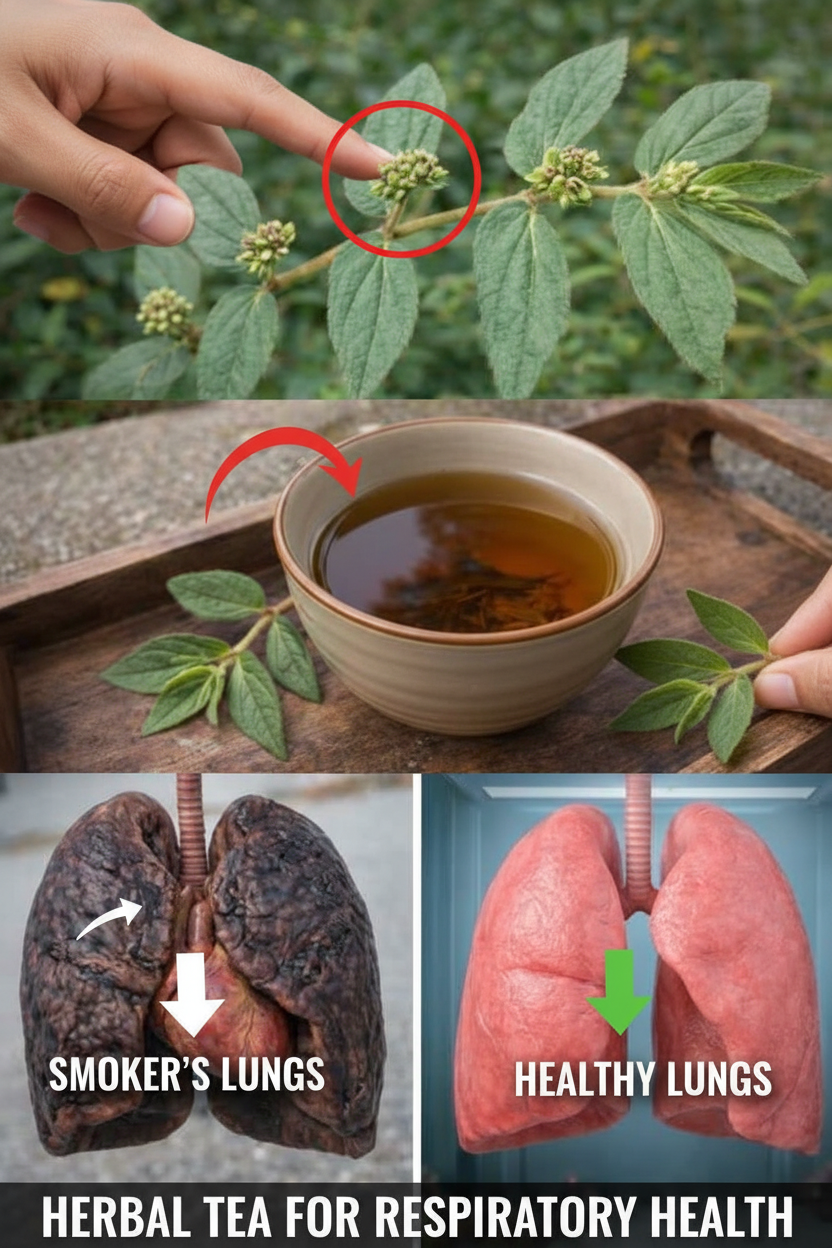
To provide a clear perspective and help you evaluate information effectively, it’s helpful to categorize the current body of research on Euphorbia hirta into distinct levels of evidence:
- Ethnobotanical Records: Documentation of its widespread traditional and historical uses across various cultures, illustrating its role in folk medicine.
- In Vitro and Ex Vivo Studies: Laboratory-based investigations involving cell cultures, microbial assays, and chemical extracts, which explore potential mechanisms of action at a foundational level.
- Preclinical and Early Human Observations: Studies conducted on animal models and very preliminary human trials, offering initial signals of efficacy or safety, but which are not yet conclusive for broader human application.
Exploring the Traditional and Potential Wellness Applications of Euphorbia Hirta
1. Respiratory Well-being and Airway Support
Historically, Euphorbia hirta has been a staple in traditional medicine for soothing coughs and easing breathing discomfort across various global communities. Current research pathways are investigating certain plant constituents for their potential anti-inflammatory properties, which could hypothetically offer relevance to irritated airways. However, it is paramount to emphasize: For individuals managing diagnosed conditions like asthma or experiencing chronic respiratory symptoms, Euphorbia hirta should be considered solely as a topic for discussion with your healthcare provider, never as a substitute for prescribed medications, inhalers, or established treatment protocols.
2. Digestive Harmony and Support for Occasional Diarrhea
The use of Euphorbia hirta decoctions for addressing diarrhea has a long-standing tradition in folk medicine, and this area continues to be a focus of contemporary scientific inquiry. For instance, a <a href