 By admin
 Globally, over 260 million individuals grapple with asthma, as reported by the World Health Organization, and respiratory ailments continue to significantly diminish quality of life. Yet, for countless centuries, diverse communities worldwide have sought natural remedies from plants. Among the most fascinating of these is Euphorbia hirta, widely recognized as the “Asthma Plant.” This unassuming weed, prevalent in tropical and subtropical regions, boasts a rich history in traditional medicine, particularly across Asia, Africa, and Latin America, where it has been utilized to alleviate breathing difficulties and bolster lung health.
So, what exactly defines Euphorbia hirta, and why has it garnered such widespread recognition? While contemporary scientific research is still uncovering its full therapeutic potential, age-old traditional practices consistently highlight its role as a soothing botanical for the respiratory system. This article will delve into its cultural heritage, identified active compounds, emerging scientific insights, and practical applications for integrating it into a holistic wellness routine. By the end, you will gain a deeper appreciation for why this modest plant holds such a powerful reputation and whether it might be a valuable addition to your personal health journey.
What Is Euphorbia hirta?
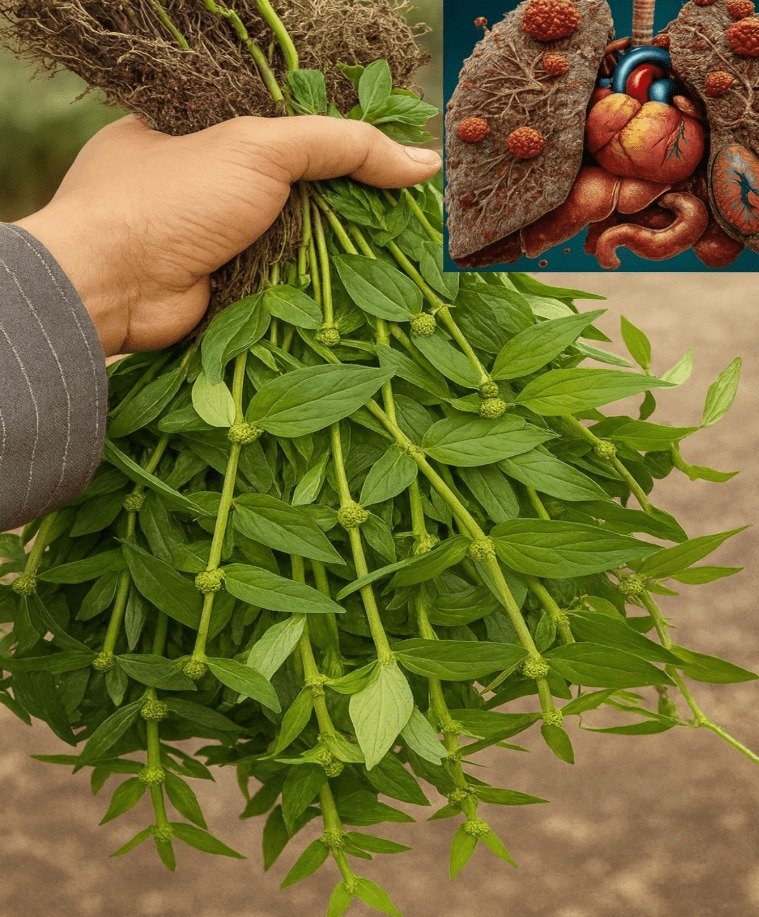
Euphorbia hirta is a small, hairy herbaceous plant that flourishes in open environments, along roadsides, and within gardens throughout tropical climates. Typically reaching a height of 30–50 cm, it is easily identifiable by its minute, oblong leaves and the characteristic milky latex it exudes when its stem is cut.
For numerous generations, traditional healers have affectionately dubbed it the “Asthma Plant” due to its historical application in easing various breathing challenges. Within folk medicine, this plant has been prepared in various forms, such as teas, decoctions, or poultices, to assist with conditions including coughs, common colds, and even minor bronchial spasms. Beyond its respiratory benefits, it has also been traditionally employed to support digestive functions and address certain skin conditions, underscoring its broad utility in ethnomedicine.
Communities throughout Asia and Africa have long relied on Euphorbia hirta for its perceived capacity to calm and support the lungs. Its traditional applications encompass:
- Asthma Relief: Potent decoctions or warm infusions crafted from its leaves were frequently consumed to help relax constricted airways.
- Cough and Colds: Often prepared as a comforting tea to alleviate persistent coughing and provide a soothing effect to an irritated throat.
- Bronchitis Support: Utilized in traditional remedies to assist in reducing phlegm buildup and facilitate easier breathing during bronchial discomfort.
These historical uses were primarily founded on empirical observations passed down through successive generations, rather than rigorous controlled clinical trials, yet they powerfully underscore the profound cultural significance of this remarkable plant.
Active Compounds and Potential Benefits
Contemporary phytochemical investigations have successfully isolated several intriguing compounds within Euphorbia hirta, including:
- Flavonoids (such as quercetin and kaempferol): These are well-known antioxidants that may play a crucial role in shielding delicate lung tissues from the harmful effects of oxidative stress.
- Tannins and Saponins: These compounds are thought to contribute significantly to the plant’s reported antimicrobial and anti-inflammatory characteristics.
- Terpenoids: A class of compounds that possess properties capable of relaxing smooth muscles, including those essential for the proper function of bronchial passages.
Collectively, these identified compounds offer a compelling explanation for why the plant has been historically esteemed for its respiratory supportive qualities. While human-based research remains limited, preliminary animal studies and in-vitro laboratory findings indicate that extracts from Euphorbia hirta can effectively reduce inflammation in the airways, combat specific microbes, and induce relaxation in bronchial muscles—all mechanisms highly relevant to promoting optimal lung health.
How It Has Been Used Traditionally
In the context of daily traditional life, Euphorbia hirta was seldom consumed in its raw state. Instead, it was meticulously prepared using methods designed to enhance its efficacy and improve its palatability:
- Herbal Tea: Dried leaves were steeped in hot water, frequently combined with natural sweeteners like honey or warming spices such as ginger for added flavor and benefit.
- Decoction: A more concentrated preparation achieved by boiling the leaves and stems for an extended period to thoroughly extract the active compounds.
- Poultice: Crushed leaves were applied topically to the chest area, serving as an external remedy to help alleviate congestion and promote comfort.
While these specific preparation methods might vary across different cultures, they consistently underscore the plant’s enduring role in providing respiratory relief and comfort.
Practical Tips for Modern Use
Should you be interested in exploring the potential of incorporating Euphorbia hirta into your personal wellness regimen, here are several key considerations:
- Begin with Small Doses: Traditional herbal teas typically utilized only a modest quantity of leaves per cup to ensure gentle efficacy.
- Combine with Complementary Herbs: In many cultural practices, it is often blended with ingredients like ginger, honey, or licorice root, which can enhance both its flavor profile and its supportive properties.
- Source from Reputable Suppliers: It is strongly advised to avoid wild harvesting unless you possess absolute certainty regarding plant identification, as numerous Euphorbia species contain irritating latex that can cause adverse reactions.
Important: Always consult with a qualified healthcare professional before attempting to use Euphorbia hirta, particularly if you have a pre-existing condition such as asthma, chronic lung disease, or are currently taking any prescription medications.
Comparing Euphorbia hirta to Other Traditional Lung-Support Herbs
| Herb | Traditional Use for Lungs | Key Compounds | Notes of Caution |
|---|---|---|---|
| Euphorbia hirta | Asthma, cough, bronchitis support | Flavonoids, tannins, terpenoids | Latex may irritate in large doses |
| Licorice root | Soothes cough, reduces throat irritation | Glycyrrhizin, flavonoids | May raise blood pressure in excess |
| Thyme | Eases cough and congestion | Thymol, carvacrol | Can be strong if taken concentrated |
| Ginger | Reduces inflammation, supports circulation | Gingerols, shogaols | High doses may cause heartburn |
This comparative overview illustrates how Euphorbia hirta seamlessly integrates into the broader tapestry of traditional respiratory herbs, each offering distinct strengths and requiring specific considerations for safe and effective use.
Real-Life Applications and Cultural Insights
In the Philippines, Euphorbia hirta tea continues to be a widely adopted home remedy for addressing asthma attacks and common colds. Similarly, in various regions of Africa, it forms an integral component of community health practices, especially where access to modern pharmaceutical medicines may be limited. These profound cultural insights reveal that plants like Euphorbia hirta are not merely simple remedies but rather vital elements of resilience and survival for communities around the globe.
For many contemporary individuals, exploring such rich traditions is less about substituting conventional medicine and more about fostering a connection with ancestral knowledge—discovering gentle, natural approaches that can effectively complement established healthcare practices.
Conclusion
Euphorbia hirta, affectionately known as the “Asthma Plant,” stands as a modest weed with an extraordinarily significant reputation. Historically employed to ease breathing difficulties, mitigate coughing, and bolster overall lung health, it remains an indispensable part of folk medicine across numerous cultures. Preliminary research into its various compounds suggests compelling scientific underpinnings for its long-standing traditional use, although further rigorous clinical studies are undoubtedly warranted.
FAQs (Accordion Style)
Is Euphorbia hirta generally safe for consumption?
When consumed in traditional doses, it has been widely used; however, excessive quantities or improper preparation methods could potentially lead to irritation. It is always prudent to seek professional medical advice before use.
Can Euphorbia hirta serve as a substitute for my inhaler or prescribed asthma medication?
Absolutely not. While Euphorbia hirta may offer certain supportive benefits, it should never, under any circumstances, replace prescribed medical treatments for asthma or other lung conditions.
Where can I typically find Euphorbia hirta?
It grows abundantly in tropical climates worldwide. For safety and purity, it is highly recommended to purchase from trusted herbal suppliers rather than attempting wild-harvesting.
Disclaimer: This article is provided strictly for informational purposes only. It is not intended to substitute for professional medical advice, diagnosis, or treatment. Always consult with a qualified healthcare provider before initiating the use of any herbal remedy or supplement.