 By admin
 As individuals reach the age of 60, the body undergoes significant transformations that underscore the critical importance of nutrition. Common changes include a reduction in muscle mass, a slowing of the digestive system, and an increased prevalence of chronic conditions such as heart disease and diabetes. Despite these shifts, many older adults often overlook a simple yet incredibly potent source of daily nourishment: seeds.
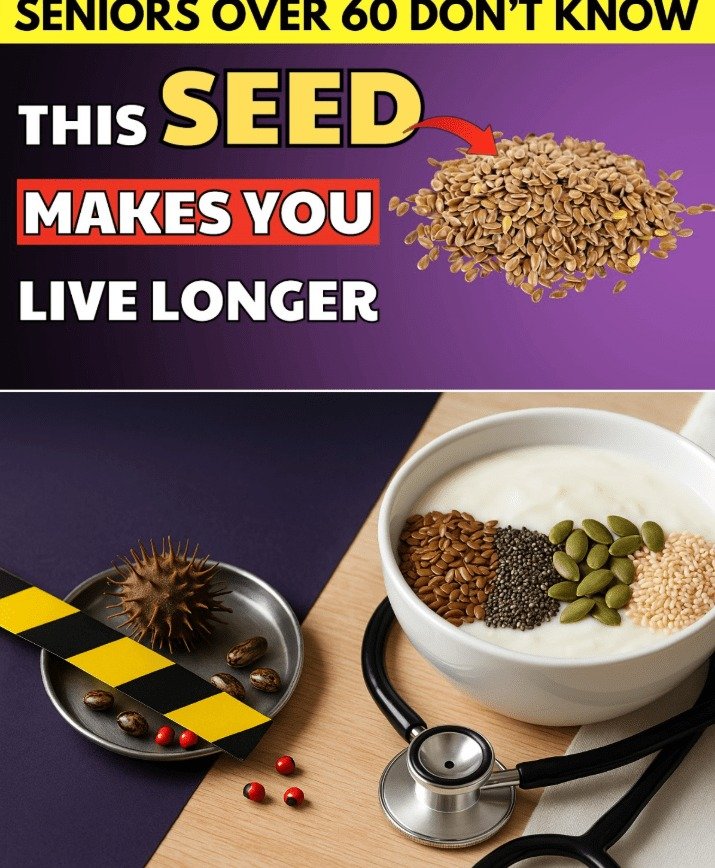
Seeds are miniature powerhouses of nutrients, packed with fiber, protein, and vital fatty acids. However, a crucial insight often missed is that not all seeds are beneficial or even safe, particularly for an aging population. Certain seeds contain compounds that can lead to digestive irritation, interfere with medications, or even become toxic if consumed in large quantities. Conversely, when chosen thoughtfully, other seeds can become integral components of a daily diet, offering protection for the heart, strengthening bones, and supporting cognitive function.
So, which seeds should be avoided, and which should be incorporated into your daily diet to foster optimal health after the age of 60? Let’s delve into these important distinctions.
4 Harmful Seeds Older Adults Should Steer Clear Of
1. Apple Seeds
Apple seeds contain a compound called amygdalin, which, upon digestion, can release cyanide. While ingesting a small number of seeds accidentally is unlikely to cause harm for most individuals, regular consumption can pose a serious risk, especially for seniors who may have a diminished metabolism or compromised liver function.
2. Cherry and Apricot Pits
The pits of stone fruits like cherries and apricots also contain high levels of amygdalin. In some cultures, apricot kernels are deliberately consumed for their distinctive “bitter almond” flavor; however, excessive intake has been definitively linked to cases of cyanide poisoning. For this reason, it is strongly advised that older adults avoid these entirely.
3. Castor Seeds
Castor seeds are exceptionally toxic due to the presence of ricin, a potent protein that can induce severe poisoning even in very small amounts. Although they are rarely encountered in typical diets, castor seeds should never, under any circumstances, be consumed.
4. Raw Kidney Bean Seeds
While technically classified as legumes, uncooked kidney beans contain phytohaemagglutinin, a natural toxin capable of causing symptoms such as nausea, vomiting, and diarrhea. For seniors with more sensitive digestive systems, even a small quantity of undercooked kidney beans can trigger significant illness.
| Seed Type | Risk Factor | Why Seniors Should Avoid |
|---|---|---|
| Apple seeds | Amygdalin → cyanide release | Toxic in larger amounts |
| Cherry/Apricot pits | Amygdalin, choking hazard | Cyanide poisoning risk |
| Castor seeds | Ricin toxicity | Extremely poisonous |
| Raw kidney beans | Phytohaemagglutinin toxin | Severe digestive distress |
4 Beneficial Seeds Seniors Should Incorporate Daily
1. Flaxseeds
Flaxseeds are an excellent source of alpha-linolenic acid (ALA), a plant-based omega-3 fatty acid that is crucial for supporting both heart and brain health. Their rich soluble fiber content also contributes to lowering cholesterol levels and alleviating constipation, a frequent concern among older adults.
Tip: To maximize nutrient absorption, it is best to grind flaxseeds before consumption, as whole seeds often pass through the digestive system undigested.
2. Chia Seeds
Chia seeds possess the unique ability to absorb water and expand, forming a gel-like consistency that aids in both hydration and digestive regularity. They are packed with calcium, magnesium, and plant-based protein, making them an ideal choice for maintaining strong bones and muscle mass after the age of 60.
Tip: For enhanced absorption and a pleasant texture, soak chia seeds in water, milk, or yogurt overnight.
3. Pumpkin Seeds
Pumpkin seeds, also known as pepitas, are abundant in zinc, magnesium, and protein. Zinc plays a vital role in bolstering immune function, while magnesium is essential for muscle relaxation and promoting restful sleep—two common challenges faced by many seniors.
Tip: Enjoy a small handful as a nutritious snack or sprinkle them over your morning oatmeal for added crunch and nutrients.
4. Sunflower Seeds
Sunflower seeds are a fantastic source of vitamin E, a powerful antioxidant that helps shield cells from age-related damage. They also provide selenium, a mineral important for maintaining healthy thyroid function and supporting the immune system.
Tip: Opt for unsalted sunflower seeds to manage and avoid excessive sodium intake.
| Beneficial Seeds | Key Nutrients | Benefits for Seniors |
|---|---|---|
| Flaxseeds | Omega-3s, fiber | Heart health, digestion, cholesterol |
| Chia seeds | Calcium, protein | Bone strength, hydration, energy |
| Pumpkin seeds | Magnesium, zinc | Sleep, immunity, muscle function |
| Sunflower seeds | Vitamin E, selenium | Antioxidant, thyroid, cell protection |
Case Study: How Seeds Transformed Her Daily Routine
Margaret, a 67-year-old retiree, frequently experienced issues with sluggish digestion and disturbed sleep. Following her daughter’s advice, she began incorporating a tablespoon of ground flaxseeds into her morning smoothie and adding pumpkin seeds to her evening salad. Within just one month, Margaret observed a noticeable improvement in her digestion and reported enjoying deeper, more restorative sleep. Her physician encouraged her to maintain these new habits, noting a slight but positive improvement in her cholesterol levels.
This inspiring story illustrates how straightforward, consistent dietary choices can profoundly enhance well-being at any stage of life.
Practical Lifestyle Advice for Smart Seed Consumption
- Practice moderation: Even the healthiest seeds are calorie-dense. Aim for a daily intake of 1–2 tablespoons.
- Ensure adequate hydration: Seeds like chia and flax readily absorb water; consume plenty of fluids throughout the day to prevent bloating.
- Be aware of potential allergies: Some individuals may exhibit sensitivities or allergic reactions to seeds such as sunflower or sesame.
- Integrate creatively: Mix seeds into your smoothies, salads, oatmeal, or soups to introduce variety and maintain a balanced diet.
Conclusion and Frequently Asked Questions
Key Takeaways
- Certain seeds, including those from apples, cherry pits, castor plants, and raw kidney beans, can be detrimental to health, particularly for older adults.
- Flax, chia, pumpkin, and sunflower seeds are nutrient-dense allies that significantly contribute to heart, bone, and muscle health.
- Consistent, small daily servings of beneficial seeds can yield substantial long-term health advantages.
FAQs
Can seeds effectively replace supplements for seniors?
In many instances, yes. Seeds naturally supply essential vitamins, minerals, and omega-3 fatty acids. However, if specific deficiencies are present, supplements may still be a necessary addition.
What is a safe daily quantity of mixed seeds?
A daily intake of 1–2 tablespoons of a mix of healthy seeds is generally considered optimal and safe.
Are roasted seeds less nutritious?
Roasting can sometimes diminish certain antioxidant compounds but may also enhance flavor and aid digestibility. It’s best to avoid varieties that are heavily salted or sugared.
Disclaimer: This article is intended solely for informational purposes. It should not be considered a substitute for professional medical advice. Always consult your healthcare provider for guidance tailored to your individual health needs.