 By admin
 Beyond the Brush: Simple Natural Habits for Lasting Oral Wellness
Even with diligent daily brushing, many adults frequently encounter common oral challenges, from heightened gum sensitivity to persistent bad breath. These minor yet disruptive issues can often make social interactions uncomfortable and spark unnecessary concerns about long-term dental health. The good news is that incorporating a few straightforward, natural practices into your daily regimen can significantly enhance overall oral comfort and freshness.
The best part? These effective habits are neither complex nor time-consuming. Continue reading to discover how easy it is to elevate your dental care, and make sure to stay until the very end, where we’ll unveil a surprising ancient technique that could provide an additional layer of natural support for your radiant smile.
Lemon and Charcoal for Teeth: A Closer Look at DIY Whitening Trends
In the age of viral trends, you’ve likely stumbled upon images across social media featuring lemon slices alongside black activated charcoal, both touted as quick fixes for a dazzling, whiter smile. The appeal is undeniable: simply combine lemon and charcoal, apply to your teeth, and supposedly witness stains vanish instantly. However, before you jump on this popular DIY bandwagon, it’s crucial to grasp the fundamental mechanics of your teeth and, more importantly, to assess the long-term safety and efficacy of such methods for your oral health. Let’s delve deeper into the science behind these claims.
Understanding Tooth Discoloration: Why Smiles Lose Their Luster
To effectively evaluate the potential benefits of lemon and charcoal, it’s essential to first understand the root causes behind tooth discoloration. A variety of elements contribute to changes in tooth brightness and overall appearance:
- Dietary Stains: Regular consumption of beverages like coffee, tea, and red wine, as well as certain foods, can leave extrinsic stains.
- Tobacco Use: Smoking and other tobacco products are notorious for causing significant tooth yellowing and browning.
- Natural Aging Process: As we age, the outer layer of enamel naturally thins, revealing more of the yellowish dentin beneath.
- Plaque Accumulation: A persistent film of bacteria (plaque) can make teeth appear dull and unclean.
- Enamel Erosion: The gradual thinning or wearing away of the protective enamel layer is a major contributor to a darker tooth appearance.
Your teeth are safeguarded by enamel, an incredibly strong, translucent outer layer. Beneath this protective shield lies dentin, which inherently possesses a yellowish hue. When enamel erodes or becomes compromised, the underlying dentin becomes more visible, leading to a darker or more yellow appearance, even if the tooth is otherwise clean. This fundamental distinction highlights why tooth whitening and tartar removal are two entirely different processes.
Defining Tartar: Beyond Simple Surface Stains
Tartar, scientifically known as dental calculus, represents a significant stage beyond simple surface stains. It develops when soft, sticky plaque — a bacterial film — is not consistently removed through daily brushing and flossing. Over time, this plaque absorbs minerals from saliva and hardens, transforming into tartar. Crucially, tartar differs from everyday stains in several key aspects:
- It adheres firmly to the tooth surface, often accumulating above and below the gum line.
- Unlike plaque, tartar cannot be effectively removed by brushing or flossing at home.
- Its removal typically necessitates professional intervention from a dentist or dental hygienist using specialized tools.
Given these characteristics, the question then becomes: how do lemon and charcoal, often promoted as DIY solutions, supposedly address such a resilient substance?
Lemon Juice and Teeth: The Acidic Truth
Lemon juice is rich in citric acid, a compound known for its natural bleaching capabilities. This has led to the popular misconception that applying lemon directly to teeth can effectively dissolve surface stains and yield a temporarily brighter smile. Proponents often suggest that the acid acts as a powerful cleaning agent.
However, this perceived benefit comes with a significant drawback: citric acid is exceptionally potent and highly acidic. Regular or prolonged exposure of your teeth to this acid can lead to severe and irreversible consequences:
- Enamel Erosion: The acid actively weakens and erodes the protective enamel layer, which, once lost, does not regenerate.
- Increased Sensitivity: As enamel thins, the underlying dentin becomes exposed, leading to heightened tooth sensitivity to hot, cold, or sweet stimuli.
- Greater Susceptibility to Staining: Paradoxically, a roughened or thinned enamel surface can become more porous and thus more prone to accumulating new stains over time, ultimately making teeth appear darker.
Therefore, while lemon might impart a fleeting sense of brightness, its destructive impact on enamel can ultimately result in teeth that look duller and are far less healthy in the long run. This outcome is precisely the opposite of what most individuals desire for their smiles.
Activated Charcoal: Separating Fact from Fiction for Oral Health
Activated charcoal has gained immense popularity, appearing in countless toothpastes and powders, primarily marketed for its purported abilities to:
- Effectively absorb impurities and toxins.
- Lift and remove surface stains caused by common culprits like coffee or tea.
- Gently polish the tooth surface for a smoother feel.
Indeed, due to its mildly abrasive nature, activated charcoal can mechanically scrub away some extrinsic stains. However, there’s a crucial caveat to consider. Excessive or overly vigorous brushing with charcoal-based products carries significant risks:
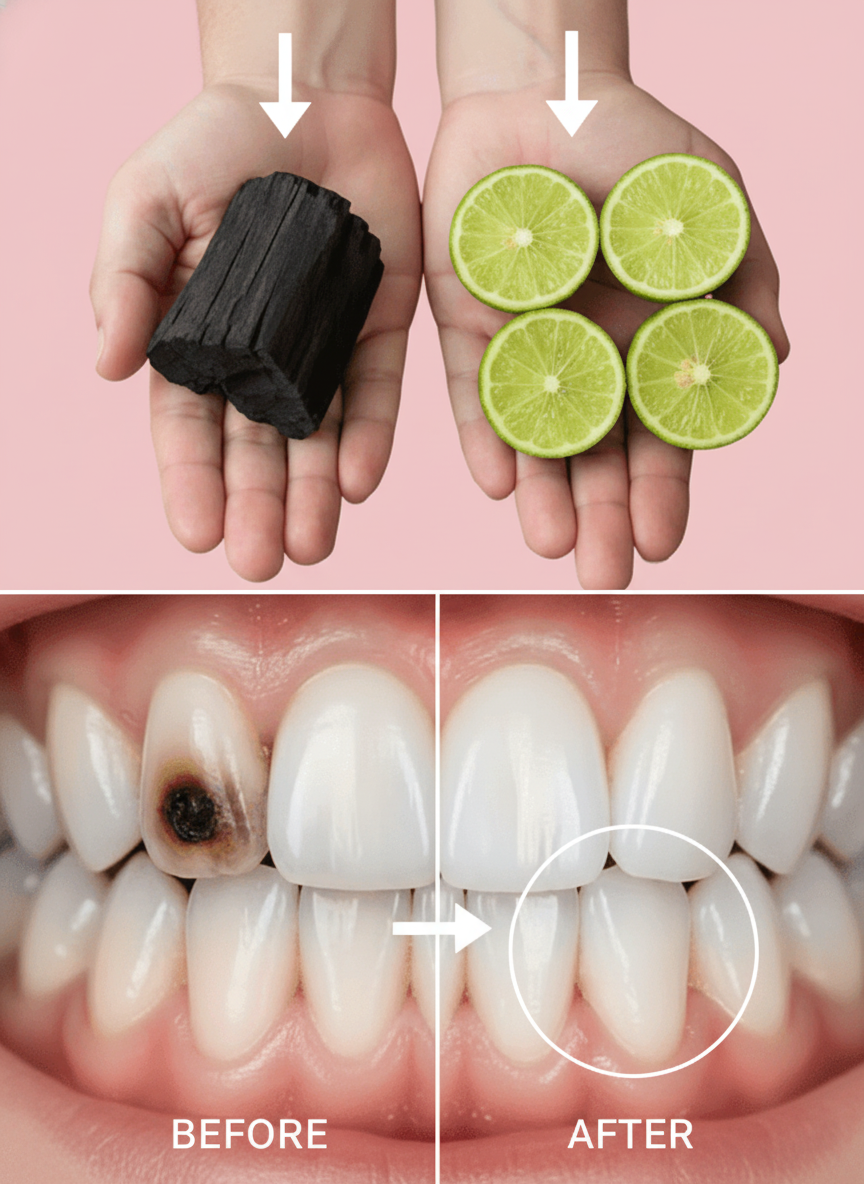
- Enamel Abrasion: Its abrasive quality, if misused, can wear down the vital enamel layer, similar to the effects of strong acids.
- Gum Irritation: The particles can be harsh on delicate gum tissues, leading to inflammation or recession.
- Uneven Tooth Surfaces: Over time, aggressive use can create microscopic scratches or unevenness on the tooth surface, making it more susceptible to future staining and plaque accumulation.
It is imperative to understand that activated charcoal is completely ineffective against hardened tartar. Its action is, at best, limited to addressing superficial stains, offering no solution for established mineral buildup.
The Perilous Blend: Why Lemon and Charcoal Together Are a Dental Risk
The combination of lemon and charcoal has become a viral sensation, presumably because it merges two distinct actions:
- The acidic properties of lemon, falsely believed to “whiten” by dissolving.
- The abrasive texture of charcoal, intended to “scrub” away imperfections.
However, when these two elements are combined, they create a synergy that is exceptionally detrimental to tooth enamel. Imagine enamel already weakened and softened by potent acid, then subjected to the abrasive scrubbing action of charcoal powder. This scenario dramatically escalates the risk of irreversible surface damage.
It’s a critical point that cannot be overstated: enamel damage is permanent. Once eroded, this protective layer does not naturally regenerate. For those aspiring to achieve a truly brighter, healthier smile that endures, safeguarding your enamel must always be the paramount concern.
The Verdict: Can Lemon and Charcoal Really Eradicate Tartar?
To unequivocally address the central question: No, lemon and charcoal cannot remove tartar. Tartar is a solidified mineral deposit that adheres tenaciously to tooth surfaces. Its safe and effective removal mandates the use of specialized professional dental instruments and techniques employed by a qualified dentist or hygienist.
While DIY concoctions might fleetingly alter the superficial appearance of your teeth, they offer absolutely no efficacy in eliminating established, hardened tartar. Relying on such methods can, in fact, cause more harm than good, risking permanent damage to your dental health.
Achieving a Brighter Smile Safely: Proven Habits for Enamel Protection
For those seeking a visibly brighter and healthier smile without compromising precious enamel, incorporating these evidence-based habits into your daily routine is key:
- Embrace a Soft-Bristled Toothbrush: Brushing gently twice a day with a soft-bristled brush is crucial for effectively removing plaque before it has a chance to harden into tartar. This method cleans thoroughly without abrading enamel or irritating gums.
- Opt for Fluoride Toothpaste: Fluoride is a powerhouse mineral that significantly strengthens tooth enamel, making it more resistant to acid attacks and decay. It is a cornerstone of long-term tooth health and cavity prevention.
- Moderate Acidic Foods and Beverages: Foods and drinks high in acid, such as citrus fruits, sodas, and sports drinks, can soften enamel. If you consume them, it’s advisable to rinse your mouth thoroughly with water immediately afterward to help neutralize acids and protect your teeth.
- Prioritize Hydration: Drinking plenty of water throughout the day stimulates saliva production. Saliva is your mouth’s natural defense mechanism, helping to neutralize harmful acids, wash away food particles, and remineralize enamel.
- Maintain Regular Dental Check-ups and Cleanings: Professional dental cleanings are indispensable. Your dentist or hygienist can safely and effectively remove stubborn plaque and hardened tartar that home care simply cannot address, ensuring a truly clean and polished smile.
Exploring Ancient Wisdom: The Power of Oil Pulling
Beyond modern dental practices, an ancient Ayurvedic tradition known as oil pulling has garnered attention for its potential to support oral wellness. This simple practice involves swishing a tablespoon of natural oil (like coconut, sesame, or sunflower oil) in your mouth for 10-20 minutes, then spitting it out.
Proponents suggest that oil pulling can help:
- Reduce harmful bacteria: The oil is believed to “pull” bacteria and toxins from the mouth.
- Improve gum health: Anecdotal evidence suggests it may reduce gum inflammation.
- Freshen breath: By reducing bacteria, it can contribute to better breath.
While more scientific research is needed to fully substantiate all claims, many individuals find it a pleasant and beneficial addition to their oral hygiene routine. It’s important to remember that oil pulling is a complementary practice and should never replace regular brushing, flossing, or professional dental care.
A Balanced Perspective on Natural Oral Health Strategies
It’s entirely understandable to be drawn to natural remedies and home-based solutions for enhancing your oral health. The allure of simple, accessible methods for a brighter smile and fresher breath is powerful. However, it’s crucial to approach these options with a discerning eye, always prioritizing scientific evidence and professional dental advice.
While nature offers many beneficial elements, not all “natural” solutions are safe or effective for delicate oral tissues. Always consult with your dentist or a dental professional before integrating any new or unconventional practice into your oral care regimen, especially those involving potentially abrasive or acidic substances. Your lifelong oral wellness is a precious asset, deserving of informed, gentle, and scientifically-backed care.