 By admin
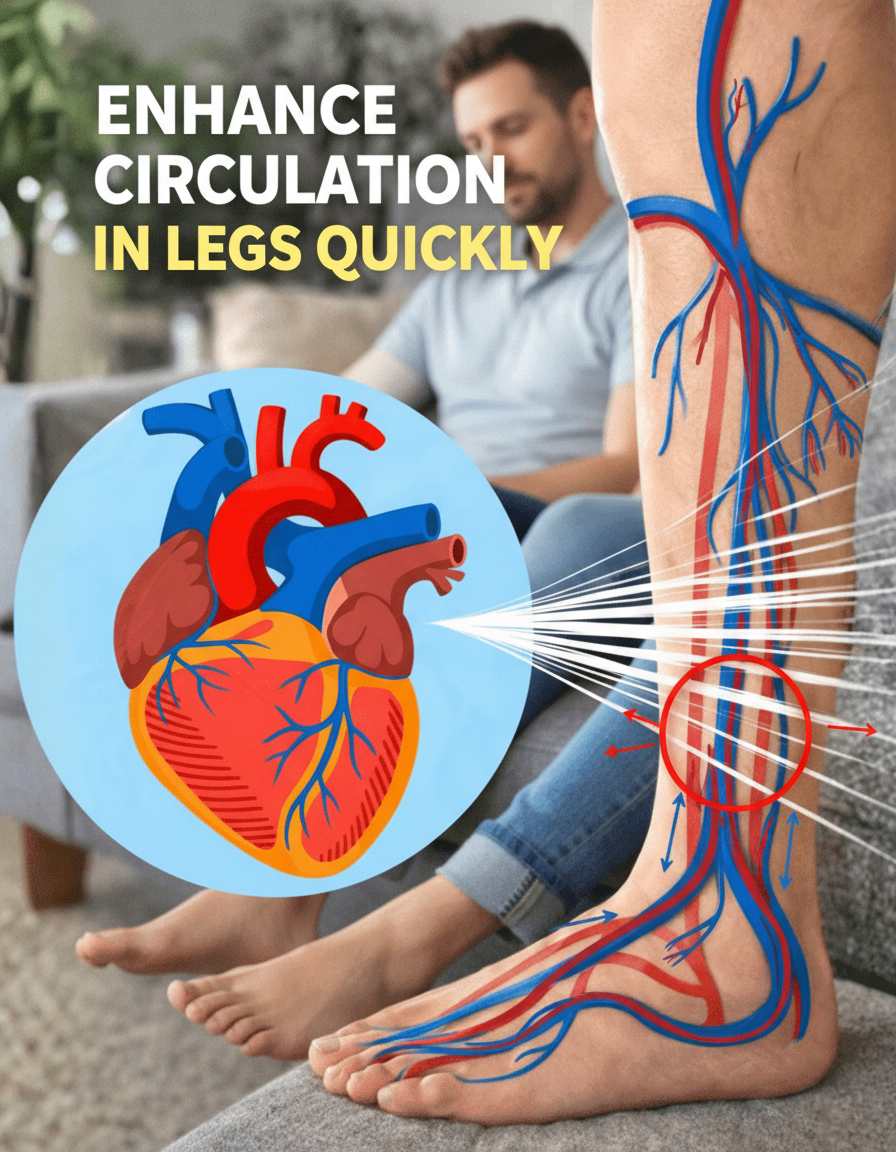
 Do your legs often feel heavy, fatigued, or slightly swollen after extended periods of sitting or standing? Suboptimal blood flow in the lower limbs is a prevalent concern for many, particularly those with sedentary occupations, frequent travelers, or as a natural consequence of aging and gravitational effects. This can lead to discomfort and diminished energy levels, impacting your overall vitality.
The encouraging news is that incorporating minor, consistent adjustments into your daily routine can significantly bolster healthy circulation, leaving your legs feeling lighter and more comfortable. This comprehensive guide will delve into 12 actionable, evidence-backed strategies you can implement starting today, focusing on practical methods to enhance your overall leg well-being.
Why Optimizing Leg Circulation is Essential
Robust blood flow is crucial for delivering vital oxygen and nutrients to your body’s tissues while efficiently removing metabolic waste products. When circulation becomes sluggish in the lower extremities, it can manifest as that familiar sensation of heaviness or mild aching. Leading health organizations, such as the Cleveland Clinic and the British Heart Foundation, underscore the importance of lifestyle interventions in promoting superior venous return and comprehensive vascular health. Let’s explore the foremost methods to improve your leg circulation and overall comfort.
1. Incorporate Regular Walking or Low-Impact Exercise
Walking stands as a premier recommendation for good reason: it’s accessible, cost-free, and remarkably potent. Research consistently demonstrates that even brief periods of walking engage the ‘calf muscle pump,’ a natural mechanism that aids in propelling blood upwards against gravity. To begin immediately, aim for 15-20 minutes of brisk walking each day. If walking isn’t feasible, consider alternatives like cycling, swimming, or gentle yoga. An added benefit: physical activity stimulates the production of nitric oxide, a compound known to help blood vessels relax and expand, as highlighted in numerous vascular health studies. But this is just the beginning…
2. Elevate Your Legs Whenever Possible
Gravity constantly challenges your circulatory system, so provide your veins a much-needed respite by raising your legs above heart level. This straightforward posture effectively minimizes blood pooling and alleviates pressure on the veins in your lower legs. A practical tip: Lie down and prop your legs comfortably on pillows or against a wall for 15-20 minutes. Integrate this practice while relaxing, watching television, or simply resting—many individuals find it both soothing and invigorating for their leg circulation.
3. Indulge in Warm Foot Soaks
A warm foot bath can offer immense comfort while gently encouraging your blood vessels to dilate. To try this: Fill a basin with comfortably warm (not hot) water. Submerge your feet for 10-15 minutes. For enhanced relaxation, you might add Epsom salt, but always consult a healthcare professional if you have any open wounds or particularly sensitive skin. The warmth not only fosters a sense of calm but also supports more unrestricted blood flow in the lower limbs.
4. Explore Gentle Foot Massage or Reflexology
Massaging your feet and calves can significantly reduce muscular tension and stimulate improved fluid movement within the tissues. For an easy at-home application: Utilize your hands or a basic massage roller to gently knead from your toes upwards. Concentrate on smooth, circular motions around your ankles and calf muscles. Even a brief 5-10 minute session can feel profoundly revitalizing. Furthermore, specific reflexology points on the feet are believed to stimulate corresponding areas of the body, contributing to overall well-being and improved blood flow.
5. Perform Simple Seated Leg Exercises and Stretches
You don’t need to stand to enhance circulation; seated movements can be incredibly beneficial during prolonged periods of sitting. Try ‘ankle pumps’: While seated comfortably, point your toes away from you (mimicking pressing a gas pedal), hold for 3 seconds. Then, flex your toes towards your body, holding for another 3 seconds. Repeat this sequence 10-20 times per leg. Incorporate stretches: Extend one leg straight, gently reach towards your toes, hold for 15-30 seconds, then switch legs. These minor movements are excellent for maintaining blood flow, especially during long flights or at your office desk, preventing leg fatigue.
6. Consider Wearing Compression Garments
Graduated compression socks exert gentle pressure that is highest at the ankle and progressively decreases towards the knee or thigh. This design effectively assists your veins in pushing blood back towards the heart. Benefits, supported by clinical evidence, include: a reduction in swelling and enhanced venous return, as confirmed by studies on graduated compression therapy. They are particularly beneficial for individuals who experience prolonged standing or sitting, during travel, or for alleviating mild leg discomfort. Ensure you select the correct fit; it’s advisable to start with mild compression and consult a medical expert if you have specific concerns about vascular health.
Here’s a quick guide on when to consider using them:
- Daily Wear: Ideal for occupations requiring extensive standing or sitting.
- Travel: Highly recommended for long-haul flights or extended car journeys.
- Mild Swelling: Effective for easing that common end-of-day leg heaviness.
7. Avoid Extended Periods of Cross-Legged Sitting
Sitting with your legs crossed for extended durations can compress critical veins, thereby impeding the efficient return of blood flow. Cultivate healthier sitting habits by keeping both feet flat on the floor. Make an effort to shift your position every 15-30 minutes. Alternate between different seated postures or periodically stretch your legs out. These seemingly minor postural adjustments accumulate over time to significantly benefit your circulation and prevent leg discomfort.
8. Prioritize Daily Hydration
Blood is predominantly composed of water; consequently, dehydration can cause it to thicken, making circulation more challenging. A simple indicator of adequate hydration is urine that is clear or a light straw color. Aim to consume water steadily throughout the day. Herbal teas, such as green tea or hibiscus, can offer a pleasant variation and provide beneficial flavonoids that support healthy blood vessel function. Optimal hydration is fundamental to overall circulatory health and helps maintain efficient blood flow in your legs.