 By admin
 As we navigate life beyond 40, many of us become acutely aware of how our daily dietary choices influence our energy levels, digestive health, and overall well-being. Convenient, familiar options like processed meats, alcoholic beverages, and fried snacks, once seemingly innocuous, can subtly contribute to chronic inflammation and other health challenges that may make us feel older than our years.
While it’s crucial to understand that no single food alone directly causes or cures cancer, extensive research consistently links certain dietary patterns and specific food items to an elevated risk of developing various cancers when consumed regularly. The encouraging news is that adopting small, deliberate dietary adjustments can significantly enhance your health and vitality without requiring you to sacrifice all your culinary pleasures.
Why Dietary Choices Become Even More Critical After 40
With age, our bodies undergo metabolic shifts and often become more responsive to the nutrients—or lack thereof—in our daily intake. Foods high in unhealthy fats, sugars, and additives, such as processed meats and sugary drinks, have been widely associated in scientific studies with heightened systemic inflammation and other adverse health considerations. These factors can compound the natural stressors of aging, potentially leading to persistent fatigue, discomfort, and reduced resilience. Embracing thoughtful dietary modifications offers a proactive and practical pathway toward sustaining optimal wellness and mitigating long-term health risks. Understanding these connections is key to empowering your health journey.
1. Processed Meats: A Closer Look
Popular for convenience and taste, items like bacon, sausages, hot dogs, and various deli meats are subjects of significant health scrutiny. Extensive research, including reports from the World Health Organization (WHO), consistently links regular consumption of processed meats to an elevated risk of certain cancers, particularly colorectal cancer. This association is often attributed to compounds like nitrates and nitrites, which can form carcinogenic N-nitroso compounds in the body, along with heme iron and advanced glycation end products (AGEs) formed during processing. Many individuals, like our hypothetical “John,” report improved digestion and reduced bloating after consciously limiting these savory choices.
2. Excessive Red Meat Consumption
While red meats such as beef, pork, and lamb can be part of a balanced diet, consuming them in large quantities or very frequently has been associated with increased cancer risks in various studies. The concern often revolves around heme iron, which can promote the formation of free radicals, and compounds created during high-temperature cooking. Individuals who, like “Maria,” choose to moderate their red meat intake and substitute with leaner proteins like fish or plant-based options such as beans frequently report more stable energy levels and better overall health.
3. Alcoholic Beverages
Regular consumption of alcoholic drinks—whether wine, beer, or spirits—is a well-established risk factor for several types of cancer, including those of the mouth, throat, esophagus, liver, and breast. The primary mechanism involves ethanol, which is metabolized into acetaldehyde, a known carcinogen. Limiting alcohol intake, as “Sarah” did by reserving it for special occasions, can lead to notable benefits such as improved cognitive clarity and enhanced sleep quality, contributing positively to long-term health.
4. Sugary Drinks and Sweetened Beverages
Sodas, sweetened coffees, energy drinks, and fruit juices with added sugar are major contributors to rapid blood sugar spikes and subsequent crashes. Numerous studies link the regular consumption of these beverages to weight gain, chronic inflammation, and an increased risk of type 2 diabetes, all of which are indirect factors in cancer development. Opting for water, unsweetened tea, or naturally flavored seltzer, as demonstrated by “John’s” quick positive response, is a simple yet powerful change for better metabolic health.
5. Ultra-Processed Snacks and Packaged Treats
Convenient but often detrimental, ultra-processed snacks like chips, cookies, and many packaged treats are typically high in unhealthy fats, added sugars, refined carbohydrates, and artificial additives. Emerging research suggests these components can negatively impact gut microbiome balance and contribute to systemic inflammation, factors that may influence cancer risk. Following “Maria’s” example of choosing whole, unprocessed alternatives like nuts, seeds, and fresh fruit can combat afternoon energy slumps and promote overall vitality.
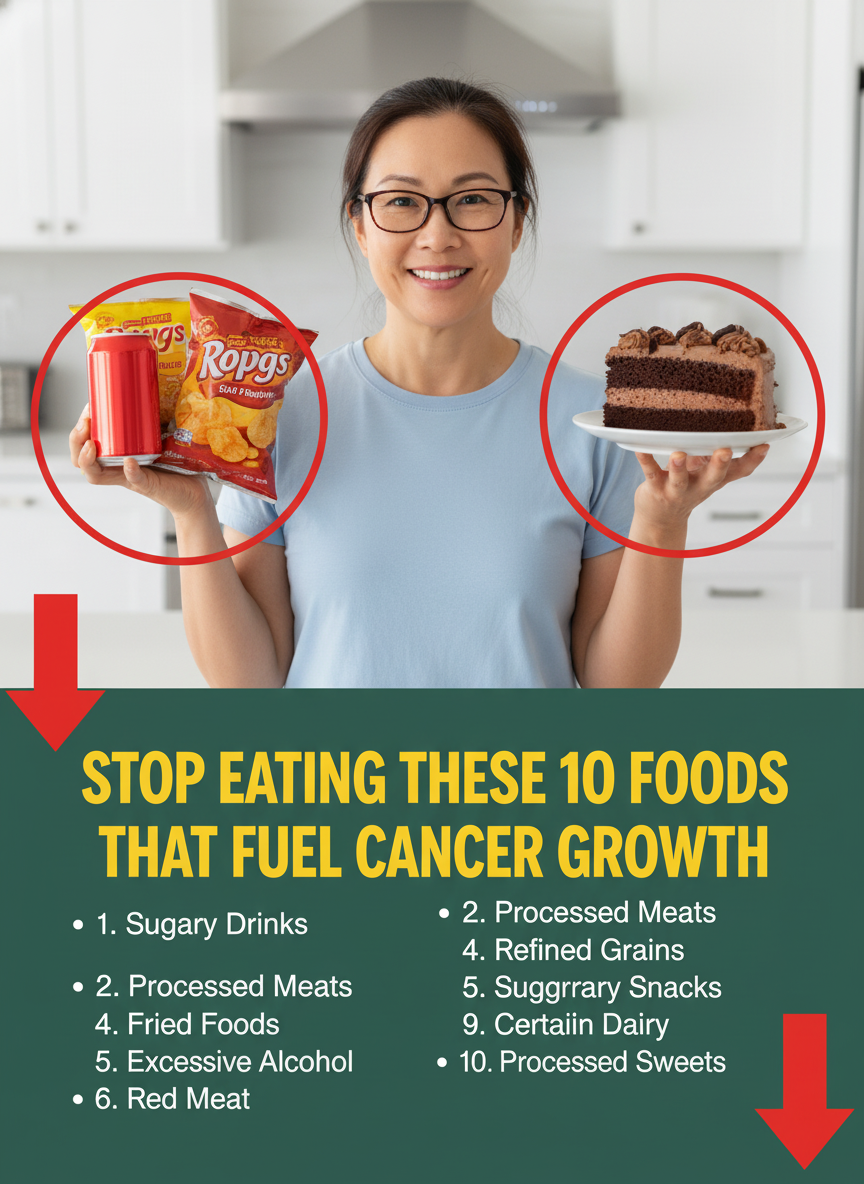
6. Deep-Fried and Heavily Fried Foods
Foods prepared by deep-frying, such as french fries, fried chicken, and many battered items, form harmful compounds like acrylamide and advanced glycation end products (AGEs) when cooked at high temperatures. These compounds have been identified as potential carcinogens and can contribute to inflammation throughout the body. Health experts universally recommend limiting the intake of these foods. Individuals like “Sarah” often experience improved digestive comfort and better overall well-being by reducing their consumption of fried items.
7. Charred or Heavily Grilled Meats
While grilling can be a healthy cooking method, consuming meats with burnt or heavily charred surfaces poses a concern. High-temperature cooking, especially over open flames, leads to the formation of heterocyclic amines (HCAs) and polycyclic aromatic hydrocarbons (PAHs). These substances are known mutagens and carcinogens, potentially increasing the risk of certain cancers. Adopting gentler cooking techniques, as “John” discovered, such as marinating meats, pre-cooking them, or using lower heat, can significantly reduce the formation of these harmful compounds and promote healthier eating.
8. Refined Carbohydrates
Refined carbohydrates, found in white bread, pastries, white rice, and many processed cereals, are quickly broken down into glucose, leading to rapid blood sugar spikes and subsequent energy crashes. A diet high in refined carbs can contribute to insulin resistance and chronic inflammation, both of which are metabolic environments conducive to cancer growth. Choosing whole grains like brown rice, oats, and whole-wheat bread, as “Maria” did, helps maintain more stable blood sugar levels and provides sustained energy throughout the day, supporting overall health.
9. Foods with High Levels of Added Sugars
Beyond sugary beverages, a vast array of processed foods—including many sauces, dressings, desserts, and even seemingly savory snacks—contain significant amounts of hidden added sugars. Excessive sugar intake fuels systemic inflammation, contributes to weight gain, and can promote cellular proliferation, potentially increasing cancer risk. Following “Sarah’s” proactive approach of carefully reading food labels and actively reducing consumption of these hidden sugars can lead to fewer cravings and improved metabolic health.
10. Products Containing Trans Fats
Artificial trans fats, often found in partially hydrogenated oils, are present in certain baked goods, fried foods, and processed snacks. These fats are notorious for their role in promoting systemic inflammation and increasing the risk of heart disease. While many countries have moved to ban or severely restrict trans fats, they can still be found in some products. Minimizing or eliminating trans fats from your diet is a widely recognized wellness strategy that supports cardiovascular health and reduces overall inflammatory burden, thereby contributing to cancer prevention.
Making Healthier Swaps: A Quick Guide
Transitioning to a more cancer-preventative diet doesn’t have to be daunting. Small, consistent changes can make a significant difference in your long-term health. Here’s a simple comparison to help you make informed choices:
| Food Group to Limit | Why It’s a Concern for Cancer Risk | Easy Swap for Better Health |
|---|---|---|
| Processed Meats | Linked to higher colorectal cancer risk due to nitrates, nitrites, heme iron, and AGEs. | Lean poultry, fish, legumes, tofu, tempeh. |
| Excessive Red Meat | Associated with increased risk of certain cancers, possibly due to heme iron and compounds from high-heat cooking. | Fish, chicken breast, beans, lentils, plant-based proteins. |
| Alcoholic Beverages | Ethanol and its metabolite acetaldehyde are carcinogens; linked to multiple cancer types. | Water, herbal tea, sparkling water with fruit, non-alcoholic mocktails. |
| Sugary Beverages | Contribute to weight gain, inflammation, insulin resistance; indirect cancer risk factors. | Water, unsweetened tea, seltzer, infused water. |
| Ultra-Processed Snacks | High in unhealthy fats, sugars, refined carbs, and additives; may disrupt gut health. | Nuts, seeds, fresh fruit, vegetables, whole-grain crackers. |
| Deep-Fried Foods | Contain harmful compounds like acrylamide and AGEs formed at high temperatures. | Baked, grilled, steamed, or air-fried alternatives. |
| Charred Grilled Meats | Formation of carcinogenic HCAs and PAHs during high-heat grilling. | Gentler cooking methods (baking, stewing), marinating, flipping frequently. |
| Refined Carbohydrates | Lead to blood sugar spikes, inflammation, and insulin resistance. | Whole grains (brown rice, quinoa, oats), whole-wheat bread. |
| Foods High in Added Sugars | Fuel inflammation, contribute to weight gain, and promote cellular proliferation. | Natural sweetness from fruits, stevia, monk fruit, spices like cinnamon. |
| Products with Trans Fats | Promote systemic inflammation and increase risk of chronic diseases. | Healthy fats from avocados, nuts, seeds, olive oil. |
By making conscious decisions about what you eat, you empower your body to fight inflammation, maintain healthy cellular function, and reduce your overall risk of chronic diseases, including cancer. Remember, your diet is a powerful tool for wellness. Consult with a healthcare professional or a registered dietitian for personalized dietary advice tailored to your specific health needs.