 By admin
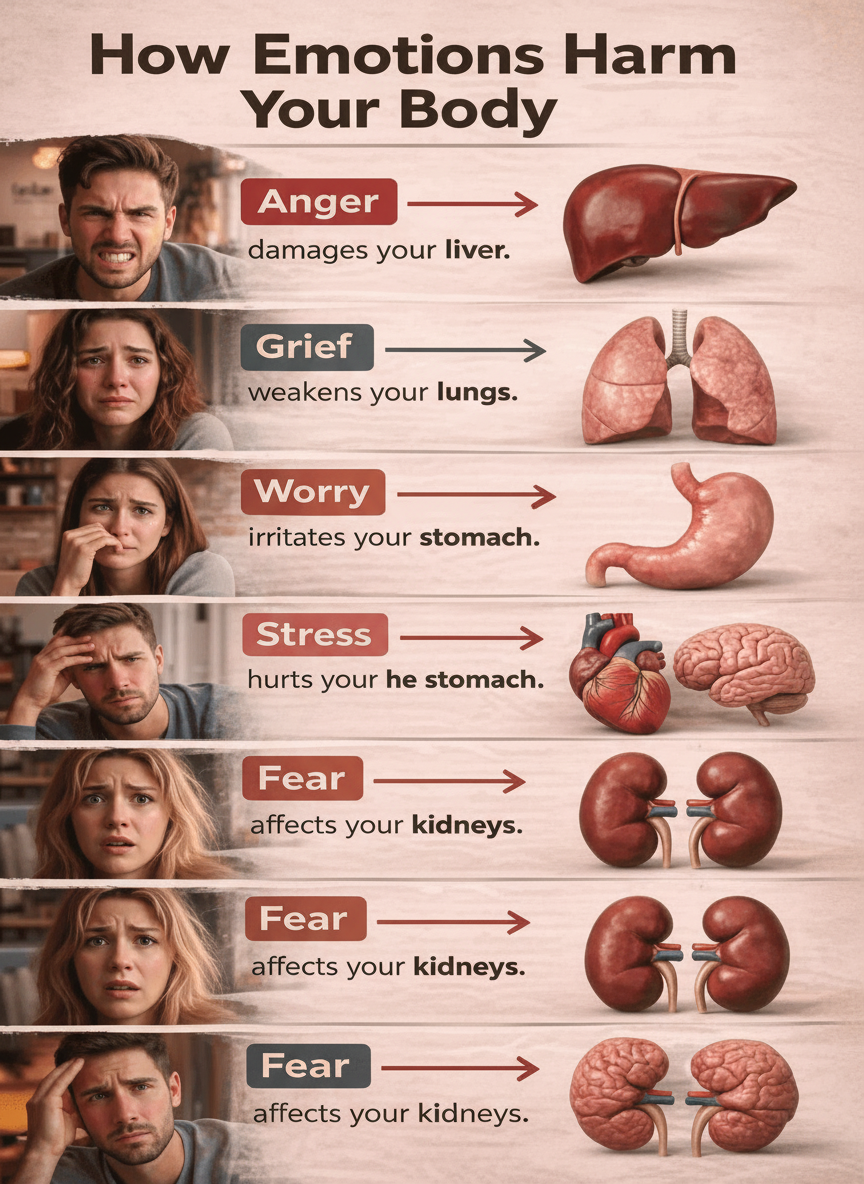
 We often underestimate the power of our emotions. Consider a moment like my neighbor’s recent outburst: a phone glitch, a flushed face, heavy breathing, and then a quiet hand rubbing his chest. Such ‘small’ incidents, when repeated, reveal a deeper truth: emotional storms don’t just happen in our minds. Anger, grief, worry, stress, and fear profoundly influence our physical body, silently straining vital organs over time.
The good news? You can actively support your body and calm these emotional reactions. This article will unveil simple daily habits that can transform how you manage your emotions and safeguard your health.
Anger and the Liver: The Explosive Connection
Anger, a powerful human emotion, triggers an immediate survival response: heart rate and blood pressure soar, and stress hormones flood your system. Chronic anger doesn’t just feel bad; it strains multiple bodily systems. Traditionally, anger is linked to the liver, which plays a key role in processing stress chemicals and regulating metabolism. Modern research supports this, connecting chronic anger and hostility to increased inflammation and cardiovascular risk.
During intense anger, you might experience:
- Blood pressure spikes
- Elevated stress hormones
- Muscle tension
- Shallow breathing
However, constructive expression is crucial. When anger is handled healthily, your body recovers faster and the stress response dissipates. Try these simple habits:
- Practice slow breathing for two minutes
- Take a brief walk outdoors
- Journal about what triggered the feeling
- Discuss calmly with a trusted individual
Even short breathing exercises can significantly calm your body’s stress signals.
Grief and the Lungs: When Sadness Affects Your Breath
Grief, a natural reaction to loss, often manifests physically, especially in older adults. Lingering sadness can lead to more frequent sighing, heavier breathing, and a noticeable drop in energy. Emotional distress directly impacts respiratory patterns, often making breathing shallow and irregular. While grief doesn’t directly damage the lungs, it reduces breathing efficiency and overall vitality.
A powerful, yet often overlooked, remedy is deep breathing. Try this simple routine to calm emotional tension:
- Inhale slowly through the nose for four seconds
- Hold for two seconds
- Exhale gently through the mouth for six seconds
- Repeat five times
Many find immediate relief and a sense of calm within minutes.
Worry and the Stomach: The Gut-Brain Connection
That familiar “butterflies in your stomach” feeling before stress isn’t imaginary; it’s your gut-brain axis at work. Constant worry can profoundly disrupt digestion, leading to:
- Stomach discomfort
- Appetite changes
- Bloating
- Slower digestion
Gastroenterology research confirms stress impacts gut motility and sensitivity. The good news? Simple lifestyle adjustments can soothe your digestive system:
- Eat slowly and chew thoroughly
- Avoid heavy late-night meals
- Stay adequately hydrated
- Practice relaxation techniques before meals
Even five minutes of mindful breathing before eating can significantly enhance digestion.
Stress and the Heart & Brain: The Cost of Constant Alert
While acute stress can be beneficial, chronic stress is a pervasive health challenge. It locks your body into a perpetual “alert” mode, exhausting its systems. Health psychology studies confirm long-term stress negatively impacts:
- Sleep quality
- Concentration and cognitive function
- Heart health (e.g., blood pressure, inflammation)
- Mood stability
Imagine an engine running nonstop; eventually, components wear down. Your body is no different. The hopeful part is that even small, consistent daily habits can make a significant difference in managing this silent wear and tear.
Empowering Your Health Through Emotional Balance
Your emotional landscape is deeply intertwined with your physical well-being. The silent impact of unmanaged emotions on your organs is a vital aspect of health, especially for seniors. By recognizing these connections – anger with the liver, grief with the lungs, worry with the stomach, and chronic stress with the heart and brain – you gain the power to intervene.
Embracing simple, consistent habits – from mindful breathing to constructive emotional release and thoughtful dietary choices – can significantly reduce internal strain and foster greater physical and mental resilience. Start today by incorporating these small changes into your routine. Your body, and your peace of mind, will thank you.