 By admin
 As we cross the threshold of 50, many individuals begin to observe subtle yet significant shifts in their body’s responsiveness. The familiar ease of recovery might diminish, manifesting as morning joint stiffness, a sense of heaviness in the legs by day’s end, earlier energy slumps, or more frequent episodes of mild digestive discomfort and occasional bloating. These common age-related experiences are often rooted in factors such as persistent low-grade inflammation, reduced circulatory efficiency, increased oxidative stress, and nuanced fluctuations in blood sugar and hormonal equilibrium.
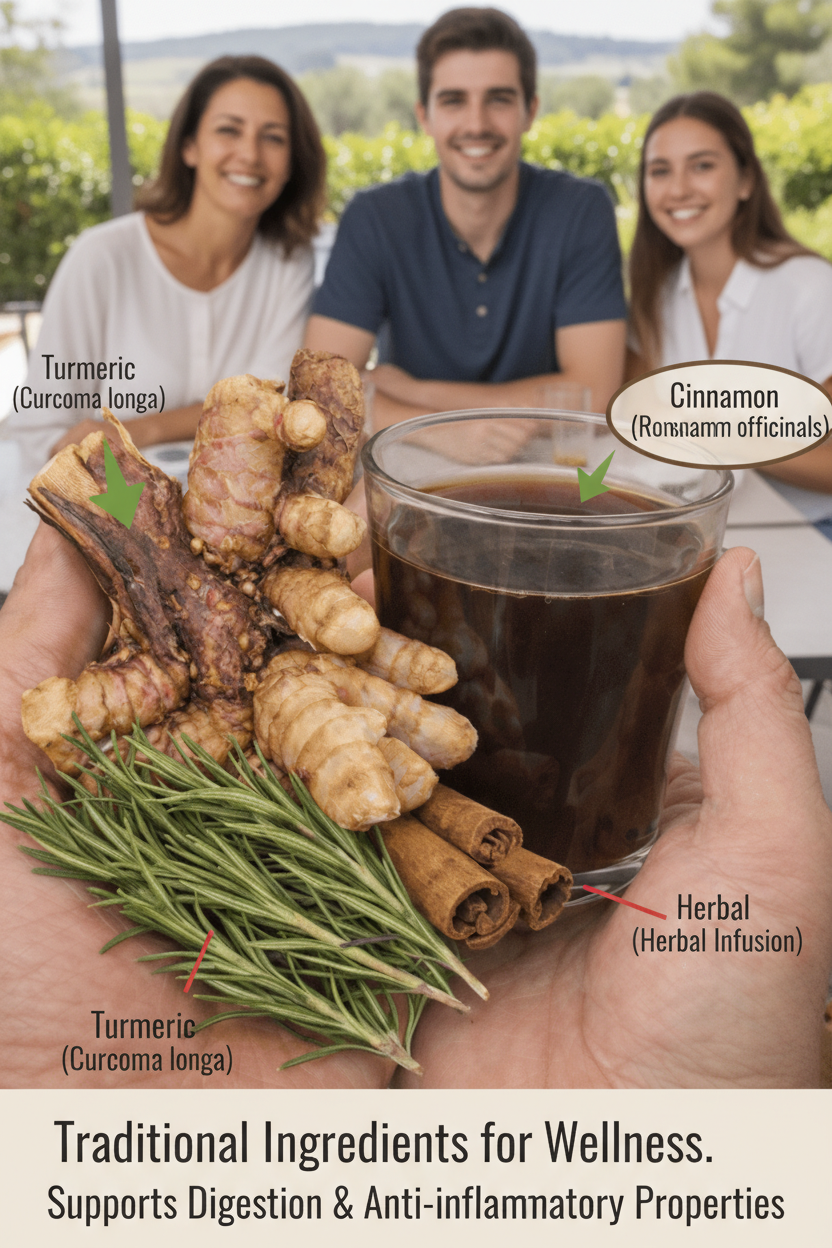
For those seeking a gentle, consistent approach to daily well-being without resorting to complex regimens or pharmaceutical interventions, a simple evening brew featuring turmeric, cinnamon, and rosemary has emerged as a beloved choice. This inviting, aromatic concoction offers a comforting warmth and fills your space with a delightful, cozy kitchen scent, while delivering beneficial compounds linked by research to enhanced inflammatory balance, improved vascular comfort, and bolstered overall resilience.
The Synergistic Power of Turmeric, Cinnamon, and Rosemary for Midlife Wellness
Turmeric (Curcuma longa)
At the heart of turmeric’s therapeutic potential lies curcumin, its most extensively researched active compound. Revered for its potent anti-inflammatory properties, curcumin actively works to inhibit key inflammatory pathways, including NF-κB, COX-2, and various pro-inflammatory cytokines like TNF-α, IL-6, and IL-1β. These inflammatory markers typically increase with age, contributing to common complaints such as joint discomfort, arterial stiffness, and persistent fatigue. Beyond its anti-inflammatory role, curcumin also plays a crucial part in supporting optimal endothelial function – the health of the inner lining of your blood vessels – thereby promoting robust and healthy circulation throughout the body.
Cinnamon (Ceylon preferred)
This fragrant spice is abundant in cinnamaldehyde and beneficial polyphenols. Cinnamon is widely recognized for its ability to enhance insulin sensitivity, which in turn leads to more stable blood sugar levels. This stability is vital for reducing systemic inflammation and alleviating undue strain on your blood vessels. Furthermore, numerous studies indicate that cinnamon possesses mild blood-pressure-lowering capabilities and acts as a powerful antioxidant, protecting cells from damage.
Rosemary (Rosmarinus officinalis)
Packed with potent compounds such as rosmarinic acid, carnosic acid, and 1,8-cineole, rosemary stands out as a powerful source of both antioxidants and anti-inflammatory agents. This aromatic herb is known to significantly improve local and peripheral blood flow, effectively combatting oxidative stress. Historically, rosemary has been cherished for its traditional uses in supporting cognitive function, enhancing mood, and fostering healthy circulation.
The Harmonious Synergy
When these three remarkable ingredients are united, their individual strengths amplify into a potent, harmonious blend:
- Turmeric: Addresses and calms systemic inflammation throughout the body.
- Cinnamon: Promotes stable blood sugar levels and fortifies vascular health.
- Rosemary: Enhances overall circulation and offers robust protection against oxidative damage.
This unique combination creates a gentle yet cumulative effect that many dedicated users describe as feeling “lighter,” “warmer,” and distinctly “more balanced” after incorporating the tea into their routine for just a few weeks.
Your Simple & Soothing Evening Tea Recipe
Ingredients (for 1 serving)
- ½–1 teaspoon ground turmeric (or 1–2 cm fresh root, finely grated)
- ½–¾ teaspoon ground cinnamon (Ceylon variety is recommended for its milder flavor and lower coumarin content)
- 1 teaspoon dried rosemary needles (or a small fresh sprig)
- 250–300 ml water
Optional Enhancements (to taste and boost efficacy):
- A pinch of black pepper (the piperine in black pepper significantly increases curcumin bioavailability by up to 20 times)
- ½–1 teaspoon raw honey (add after the tea has cooled below 45°C to preserve its beneficial enzymes)
- A squeeze of fresh lemon juice (provides a dose of Vitamin C and a bright, refreshing flavor)
Preparation Instructions
- Gently bring the water to a boil in a small saucepan.
- Add the turmeric, cinnamon, rosemary, and black pepper (if using) to the boiling water.
- Reduce the heat to a low simmer, cover, and allow the mixture to gently steep for 8–12 minutes.
- Remove the saucepan from the heat and let the tea infuse for an additional 5 minutes.
- Strain the liquid into your preferred mug.
- Once the tea has cooled slightly, stir in the lemon juice and raw honey (if using).
- Enjoy this soothing beverage slowly in the evening, ideally 1–2 hours before bedtime, to maximize its calming effects.
Suggested Daily Ritual
For optimal benefits, consider the following routine:
- Consume 1 cup of this herbal tea every evening.
- Initial Phase: Maintain this practice 5–7 days per week for an initial period of 4–8 weeks.
- Maintenance Phase: Transition to 4–5 days per week for ongoing support.
- Breaks: Incorporate a 1-week pause every 6–8 weeks to allow your body to reset and maintain responsiveness.
Realistic Timeline & Expected Observations
It’s important to approach this ritual with realistic expectations, understanding that natural remedies often provide cumulative benefits over time. Here’s a general timeline of what many individuals report experiencing:
- Days 3–7:
- Noticeably calmer digestion and a reduction in post-dinner bloating.
- A pleasant sensation of warmer hands and feet during the night.
- Slightly enhanced ease of movement in the mornings.
- Days 7–21:
- A feeling of lightness in the legs by evening.
- Diminished morning stiffness.
- More consistent energy levels and a more stable mood throughout the day.
- Weeks 4–8:
- A significant reduction in overall bodily heaviness and discomfort.
- Improved tolerance for prolonged standing or walking.
- Many users frequently describe their body as feeling “more balanced” and their “mornings becoming noticeably easier.”
Important Considerations: What This Tea Is Not
While this tea offers wonderful supportive benefits, it’s crucial to understand its limitations:
- It is not a cure for diagnosed medical conditions such as arthritis, hypertension, diabetes, heart disease, or any other ailment.
- It should never replace prescribed medications or professional medical treatments. Always consult your healthcare provider regarding your health regimen.
- Do not expect overnight or dramatic, instantaneous changes. Its benefits are typically gradual and cumulative.
Safety Notes & Important Precautions
This herbal blend is generally considered very safe for most healthy adults when consumed in culinary doses. However, certain individuals should exercise caution or consult with a healthcare professional before incorporating this tea into their routine:
- Blood-Thinning Medications: If you are currently taking blood thinners such as warfarin, aspirin, or clopidogrel, be aware that turmeric, cinnamon, and rosemary possess mild anti-platelet effects. It is essential to consult your doctor to avoid potential interactions.
- Low Blood Pressure: The ingredients in this tea can subtly lower blood pressure. If you already have low blood pressure, monitor your levels carefully.
- Gallbladder Issues / Gallstones: Turmeric (and ginger, if you were to add it) stimulates bile flow. Individuals with existing gallbladder issues or gallstones might experience discomfort.
- Acid Reflux: For those prone to acid reflux, the lemon component might act as a trigger. Consider reducing the amount of lemon or omitting it entirely.
- Pregnancy / Breastfeeding: While culinary amounts are generally considered safe, higher medicinal doses of these herbs during pregnancy or breastfeeding require explicit approval from a healthcare provider.
The Bottom Line
In conclusion, this delightful evening tea, thoughtfully crafted from turmeric, cinnamon, and rosemary, represents one of the most straightforward, profoundly comforting, and naturally anti-inflammatory daily practices available to individuals over 50. By regularly incorporating this simple ritual, you can proactively support enhanced circulation, experience calmer and more comfortable joints, cultivate steadier energy levels, and foster overall well-being as you navigate the journey of healthy aging.
”
}
“`