 By admin
 Embrace Dairy Again: How Fermented Foods Like Yogurt and Kefir Can Ease Lactose Discomfort
Do you cherish dairy products but often find yourself battling uncomfortable symptoms like bloating, gas, or general digestive upset afterward? You’re certainly not alone. A significant number of individuals struggle to enjoy milk, cheese, and other dairy items due to lactose intolerance or sensitivity.
These unwelcome reactions can transform delightful treats, such as a rich yogurt parfait or a refreshing glass of milk, into sources of distress. This not only restricts your dietary choices but can also potentially impact your nutrient intake over the long term. Fortunately, there’s promising news: specific fermented dairy options, notably yogurt and kefir, could provide a much more agreeable path to reintroducing dairy into your diet while simultaneously fostering improved digestion.
What if integrating these readily available fermented foods could genuinely enhance your ability to tolerate dairy in your daily routine? Let’s delve into the science behind how they function and what current research indicates about their benefits for lactose digestion and overall gut health.
Why Fermented Dairy Offers Greater Digestive Comfort
The secret behind the improved tolerability of fermented dairy lies in the transformative process of fermentation itself. This biological conversion occurs through the diligent work of live bacterial cultures, predominantly species such as Lactobacillus and others.
During fermentation, these beneficial bacteria actively break down a substantial amount of lactose—the natural sugar present in milk—into lactic acid. The outcome is dairy products that inherently contain significantly lower lactose levels compared to their unfermented counterparts. This pre-digestion of lactose is a primary reason why many individuals find these products easier on their digestive systems.
Numerous studies, particularly those investigating the contribution of fermented dairy to gut health, consistently demonstrate that foods like yogurt and kefir are often much better tolerated by individuals who experience discomfort associated with lactose. The active cultures within these foods don’t just reduce lactose; they also produce enzymes that facilitate lactose breakdown directly within the product, thereby alleviating the burden on your own digestive enzymes.
Beyond the enzymatic action, the unique, often thicker texture of fermented dairy also contributes to its digestive friendliness. This consistency can slow down the rate at which food exits the stomach. This extended transit time provides your body with a longer window to process any residual lactose effectively, preventing your digestive system from becoming overwhelmed. Furthermore, research from comprehensive reviews on dairy and the gut microbiota indicates that consistent consumption of these fermented foods can foster a more balanced and robust population of gut bacteria, leading to enhanced digestive comfort over time.
The Role of Live Cultures in Enhancing Gut Comfort
The advantages of the beneficial bacteria found in yogurt and kefir extend beyond merely breaking down lactose within the product itself. These active live cultures actively interact with and positively influence your overall gut environment.
When consumed consistently, these probiotic microorganisms can help cultivate a healthier gut microbiome, making it better equipped to process and manage lactose-containing foods. Research on probiotic dairy products demonstrates that regular intake can significantly elevate the levels of beneficial bacteria, such as Lactobacillus and Bifidobacterium, within the digestive tract. This favorable shift often translates to a reduction in uncomfortable symptoms for many individuals, especially when they gradually reintroduce other dairy items into their diet.
Comparing Dairy Options: Lactose Content and Digestive Impact
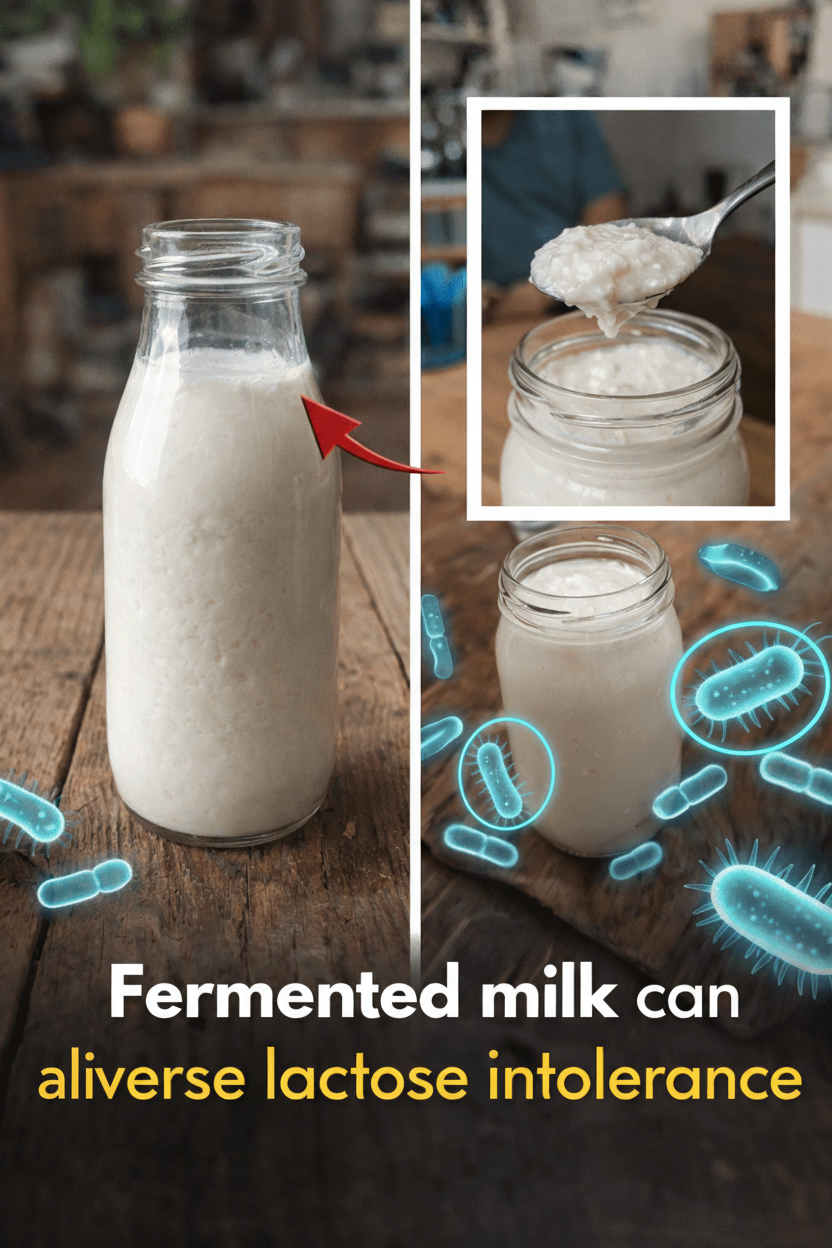
- Regular Milk: Contains a high concentration of lactose, which frequently triggers rapid symptoms in individuals sensitive to it.
- Yogurt (Plain, with Live Cultures): A substantial portion of its lactose is already broken down by bacterial action. Consequently, many people report significantly better tolerance compared to regular milk.
- Kefir: Boasts an even more diverse array of live bacterial and yeast cultures. Its fermentation process drastically reduces lactose, and studies specifically highlight its capacity to improve digestion even in those with lactose maldigestion.
- Hard Cheeses (e.g., Cheddar, Parmesan): These cheeses are naturally very low in lactose. The aging process allows enzymes to break down most of the lactose, making them generally well-tolerated.
While individual responses to dairy can vary, scientific summaries consistently show that fermented dairy options are ranked higher for providing digestive comfort due to their reduced lactose content and probiotic benefits.
Long-Term Gut Adaptation: The Scientific Perspective
The benefits of incorporating fermented dairy extend beyond just immediate relief from lactose discomfort. Consistent, long-term consumption appears to foster significant positive shifts within the gut microbiome. By regularly introducing these beneficial microorganisms, you actively contribute to developing a more robust and resilient digestive ecosystem.
A recent 2024 review published in Frontiers in Nutrition, which examined the therapeutic potential of widely consumed fermented dairy products, underscored how both yogurt and kefir contribute to enhanced lactose processing capabilities, in addition to offering a range of other supportive effects for overall gut health. Further studies, including specific clinical trials on kefir, have reported a notable reduction in symptoms such as flatulence when compared to the consumption of plain milk, indicating improved digestive comfort.
It’s important to acknowledge that the degree of improvement can vary among individuals. Factors such as one’s overall dietary habits, the initial state of their gut health, and genetic predispositions all play a role. Nevertheless, a common strategy involves beginning with small, manageable portions of these fermented foods, which many people find helps to gradually build their tolerance over time.
An intriguing aspect of these products is that some scientific evidence suggests that the small amount of residual lactose remaining after fermentation can actually function as a mild prebiotic. This means it can selectively nourish and stimulate the growth of beneficial bacteria already present in the colon, providing an additional layer of support for a healthy and balanced gut microbiome.
Actionable Tips: How to Comfortably Integrate Fermented Dairy
Ready to explore the potential benefits of fermented dairy for your lactose sensitivity? The key is to begin gradually and attentively monitor your body’s responses. Here are some practical steps to help you incorporate these gut-friendly foods into your diet:
- Start Small: Begin with very modest portions, perhaps a few spoonfuls of plain yogurt or a small shot of kefir. Gradually increase the amount as your body adjusts.
- Choose Plain, Unsweetened Varieties: Opt for plain, unsweetened yogurt or kefir to avoid added sugars, which can sometimes exacerbate digestive issues. You can always add your own fruit or a touch of honey later.
- Look for “Live and Active Cultures”: Always check the product label to ensure it explicitly states “contains live and active cultures.” This guarantees you’re getting the beneficial bacteria.
- Consistency is Key: Regular, rather than sporadic, consumption is more likely to yield long-term benefits for your gut microbiome and lactose digestion.
- Listen to Your Body: Pay close attention to how you feel after consuming fermented dairy. If you experience any discomfort, reduce the portion size or try a different brand or type of fermented product.
- Experiment with Different Types: If yogurt doesn’t immediately agree with you, try kefir, which often has a more diverse bacterial profile and may be even better tolerated.
- Incorporate into Meals: Blend kefir into smoothies, use yogurt as a base for dressings, or enjoy them with berries and nuts for a nutritious snack.
Conclusion
For many who adore dairy but suffer from lactose intolerance symptoms, fermented dairy products like yogurt and kefir offer a beacon of hope. By harnessing the power of live cultures to break down lactose and support a healthier gut microbiome, these foods can pave the way for a more comfortable and inclusive diet. Embark on this journey slowly, listen to your body, and you might just rediscover the joy of dairy without the discomfort.