 By admin
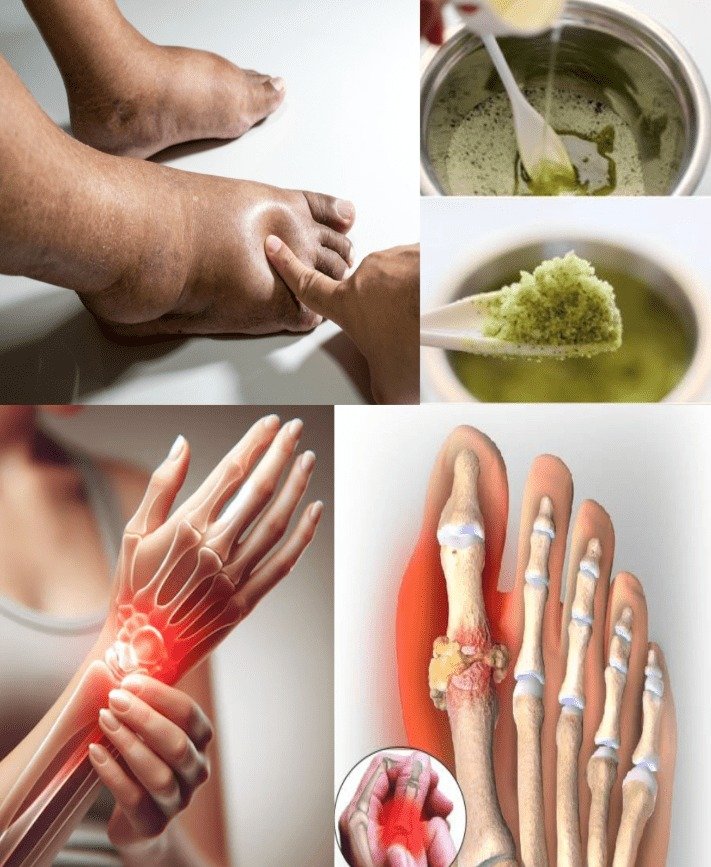
 More than 20% of adults experience the discomfort of swollen legs, ankles, or feet, a condition frequently attributed to fluid retention, insufficient circulation, or inflammation. What if a comforting cup of tea offered a natural path to relief? Herbal teas, rich in natural diuretics, potent antioxidants, and powerful anti-inflammatory agents, have the potential to significantly reduce swelling, known medically as edema, while simultaneously enhancing overall circulation. This comprehensive article delves into seven highly effective teas designed to combat swelling, presenting both scientific evidence and actionable advice. From the fresh notes of parsley to the vibrant taste of hibiscus, you will learn how to prepare beverages that can lead to lighter, healthier legs. Are you prepared to bid farewell to persistent puffiness? Let’s explore these natural remedies.
Understanding How Teas Combat Leg Swelling
Tissue swelling, or edema, develops when fluids accumulate within the body’s tissues, frequently stemming from dietary choices, a sedentary lifestyle, or underlying health conditions such as heart or kidney disorders. The effectiveness of certain teas lies in their inherent diuretic qualities, which help the body expel surplus fluid. Furthermore, the antioxidants and flavonoids present in these beverages work to diminish inflammation and enhance blood circulation. Research published in Nutrients in 2022 underscored the significant contribution of herbal teas to improved circulation and the reduction of edema. These natural infusions offer an accessible, budget-friendly, and gentle approach to managing swelling, positioning them as an ideal natural solution.
1. Parsley Tea: A Natural Fluid Eliminator
Parsley is widely recognized for its powerful diuretic capabilities, which actively promote increased urine production, thereby helping to alleviate fluid retention. A study conducted in 2013, published in the Journal of Ethnopharmacology, demonstrated that parsley extract effectively reduced edema in animal subjects.
Preparation Guide: Infuse 1 tablespoon of fresh parsley or 1 teaspoon of dried parsley in one cup of hot water for a duration of 5 to 7 minutes. Consume this tea two times per day.
Helpful Hint: Enhance the flavor and boost your vitamin C intake by adding a fresh lemon slice to your tea.
2. Dandelion Tea: Your Detoxifying Ally
Dandelion root tea serves as an effective natural diuretic and also plays a supportive role in liver function, assisting the body in expelling both toxins and surplus fluid. Research published in Phytomedicine in 2021 highlighted its proven effectiveness in alleviating water retention.
Preparation Guide: Bring one cup of water to a boil with 1 teaspoon of dried dandelion root for 5 minutes. Strain the mixture and enjoy 1 to 2 times each day.
Real-world Example: Anna, a 48-year-old nursing professional, reported a noticeable reduction in ankle swelling following her demanding shifts after consistently drinking dandelion tea for one week.
3. Hibiscus Tea: Supporting Blood Pressure and Circulation
Hibiscus tea is known for its ability to help lower blood pressure and enhance overall circulation, which in turn helps to minimize fluid accumulation in the legs. A 2019 study published in the Journal of Hypertension provided confirmation of hibiscus’s beneficial diuretic and vascular properties.
Preparation Guide: Steep 1 tablespoon of dried hibiscus flowers in one cup of hot water for 5 minutes. This tea can be enjoyed daily, either hot or chilled.
Helpful Hint: To preserve its cardiovascular benefits, refrain from adding sugar to your hibiscus tea.
4. Green Tea: Delivering Anti-Inflammatory Benefits
The catechins found in green tea, particularly EGCG, are instrumental in reducing inflammation and enhancing the function of blood vessels, thereby helping to alleviate leg swelling. A 2023 study featured in Antioxidants established a connection between green tea consumption and reduced edema in individuals suffering from chronic venous insufficiency.
Preparation Guide: Infuse 1 teaspoon of green tea leaves in one cup of hot water for 3 to 5 minutes. Consume 1 to 2 cups of this tea daily.
Important Consideration: If you are sensitive to caffeine, limit your intake to a maximum of two cups per day.
5. Ginger Tea: Boosting Circulation Naturally
The anti-inflammatory compound gingerol, present in ginger, plays a crucial role in improving blood flow, which in turn helps to diminish swelling that results from inadequate circulation. A study published in Food Science & Nutrition in 2020 highlighted ginger’s significant advantages for vascular health.
Preparation Guide: Boil a 1-inch slice of fresh ginger in one cup of water for 5 to 7 minutes. You may add honey for taste if preferred. Drink this tea twice a day.
Key Advantage: This tea helps to warm the legs, thereby alleviating the discomfort often associated with fluid accumulation.
6. Nettle Tea: Promoting Mineral Equilibrium
Nettle tea is abundant in essential minerals such as potassium and magnesium, which are vital for maintaining electrolyte balance. It also functions as a gentle diuretic, effectively diminishing fluid retention. A 2018 study featured in Phytotherapy Research specifically emphasized nettle’s notable anti-inflammatory properties.
Preparation Guide: Steep 1 teaspoon of dried nettle leaves in one cup of hot water for 5 minutes. Consume this tea 1 to 2 times per day.
Helpful Hint: If you are using fresh nettle, it is advisable to wear gloves to prevent potential skin irritation from its stinging hairs.
7. Peppermint Tea: For Relaxation and Swelling Reduction
The menthol component in peppermint works to relax muscles and enhance circulation, which can significantly contribute to reducing leg swelling. Additionally, its gentle diuretic action aids in flushing out surplus fluid, a benefit that was highlighted in a health blog from 2022.
Preparation Guide: Steep 1 tablespoon of fresh peppermint leaves or 1 teaspoon of dried leaves in one cup of hot water for 5 minutes. Enjoy this tea daily, preferably in the evening.
Illustrative Case: An article published by Healthline in 2023 documented instances where patients experienced decreased foot swelling when incorporating peppermint tea in conjunction with leg elevation.
Important Safety Guidelines and Precautions
While these herbal teas are typically considered safe for consumption, it is essential to exercise caution and adhere to the following guidelines:
- Moderate Consumption: Restrict your daily intake to 1–3 cups to prevent potential issues such as excessive diuresis or dehydration.
- Allergy Awareness: If you are new to herbal teas, begin with a small amount to check for any potential allergic reactions.
- Drug Interactions: Be aware that certain diuretic teas, including parsley and dandelion, could amplify the effects of blood pressure medications or other diuretic drugs. Always consult your physician before incorporating them into your routine.
- Prioritize Quality: Opt for organic tea varieties to ensure they are free from harmful pesticides and other contaminants.
| Tea | Frequency | Best For |
|---|---|---|
| Parsley | Twice daily | Fluid retention |
| Dandelion | 1–2 times/day | Detox, edema |
| Hibiscus | Daily | Circulation, blood pressure |
| Green Tea | 1–2 cups/day | Inflammation |
Optimizing the Benefits of Your Tea Regimen
- Leg Elevation: Make it a daily practice to rest with your legs elevated above your heart for about 15 minutes; this simple action can significantly help in reducing swelling.
- Maintain Hydration: In addition to consuming teas, ensure you drink 8–10 cups of plain water daily to adequately support healthy kidney function.
- Opt for Low-Sodium Diet: Steer clear of processed foods, which are typically high in sodium, to effectively prevent unnecessary fluid retention in your body.
- Select Premium Teas: Always purchase your teas from trusted, reputable suppliers to guarantee that you are getting pure, organic blends free from contaminants.
Frequently Asked Questions Regarding Teas for Swelling
What is the expected timeframe for noticing a reduction in swelling?
For minor swelling, you might observe improvements within 3 to 5 days of regular tea consumption. However, persistent or chronic edema warrants a thorough medical assessment.
Are these particular teas suitable and safe for all individuals?
While the majority of adults can safely consume these teas in moderation, individuals with pre-existing kidney or heart conditions, or those currently taking diuretic medications, should always seek advice from a healthcare professional beforehand.
Is it possible for these teas to serve as a substitute for conventional medical treatments?
Absolutely not. Teas are intended to complement, not replace, prescribed medical treatments for serious conditions such as heart failure or lymphedema.
Please be advised that the information presented here is solely for educational purposes and should not be considered a substitute for professional medical advice. Always consult with a qualified healthcare provider for accurate diagnosis and appropriate treatment.