 By admin
 Understanding and Managing High Blood Pressure
High blood pressure, medically known as hypertension, is often a silent yet serious condition. Many individuals live with it for years without experiencing noticeable symptoms, all while it silently puts a strain on the heart, arteries, and overall cardiovascular system. This persistent pressure significantly elevates the risk of severe health complications later in life. The underlying worry about fluctuating readings, the subtle onset of fatigue, or the apprehension about potential future health events can undeniably make daily life feel more challenging than it needs to be.
The encouraging news is that extensive research from highly reputable institutions, such as the Mayo Clinic and the American Heart Association, consistently demonstrates that integrating specific, practical lifestyle adjustments can profoundly impact and support healthier blood pressure levels. This comprehensive guide will walk you through actionable, step-by-step changes designed to seamlessly integrate into your daily routine. Make sure to read until the end to discover one crucial, yet frequently overlooked, habit that many individuals find remarkably effective in their journey toward better blood pressure management.
Why Lifestyle Modifications Are Crucial for Blood Pressure Control
While hypertension might not always present with overt symptoms, consistently adopting specific lifestyle changes can empower your body to respond positively over time. Studies repeatedly underscore how these modifications bolster heart health, potentially reducing the sole reliance on medication for some individuals. Furthermore, the cumulative effect of small, sustainable tweaks often yields more significant and quicker improvements than many anticipate, contributing to overall well-being.
Shedding Excess Weight: Even Modest Loss Makes a Difference
Carrying additional body weight, particularly around the abdominal area, places an increased burden on your circulatory system. Scientific studies indicate that losing even a modest 5-10% of your body weight can lead to a measurable reduction in blood pressure readings. The key is to prioritize gradual, steady weight loss through a balanced nutritional approach and consistent physical activity, rather than resorting to extreme or “crash” diets. It’s also beneficial to monitor your waistline; men should generally aim for under 40 inches, and women under 35 inches (always consult your doctor for personalized targets based on your health profile). To begin, try a simple swap: replace one high-calorie snack with a serving of fruits or vegetables each day. Many individuals report noticeable improvements within just a few weeks of consistent effort, which can be incredibly motivating.
Embrace Movement: The Transformative Power of Regular Physical Activity
Engaging in regular physical activity plays a vital role in strengthening your heart muscle, enabling it to pump blood more efficiently with less exertion. The American Heart Association advises adults to aim for at least 150 minutes of moderate-intensity aerobic exercise per week. This could include activities like brisk walking, cycling, swimming, or even energetic dancing. Here’s a simple plan to get started:
- Weeks 1-2: Begin by incorporating 10-15 minute walks after your meals.
- Gradual Progression: Gradually build up to 30 minutes of moderate activity on most days. Consider dancing to your favorite music playlist, joining a local fitness class, or exploring new walking trails.
- Incorporate Strength Training: Aim to add strength training exercises twice a week. This can involve bodyweight movements such as squats, lunges, or push-ups, or using light weights if preferred.
Remember, even short bursts of activity contribute to your overall health, and consistency in your routine often yields better long-term results than sporadic, high-intensity workouts.
Nourish Your Body: Adopting Heart-Healthy Eating Habits
The foods you consume have a direct and significant impact on your blood pressure levels. The DASH (Dietary Approaches to Stop Hypertension) eating plan, strongly endorsed by the National Heart, Lung, and Blood Institute, focuses on whole, unprocessed foods that are naturally rich in potassium, fiber, and essential nutrients, while simultaneously reducing sodium intake. Key components of the DASH diet include:
- Generously incorporating fruits and vegetables (aim for 4-5 servings of each daily).
- Opting for whole grains, low-fat dairy products, and lean protein sources such as fish and poultry.
- Including nuts, seeds, and legumes in your diet in moderate amounts.
Studies consistently demonstrate that adhering to this dietary pattern, especially when combined with reduced sodium intake, can lead to substantial improvements in blood pressure readings.
Reducing Sodium Intake: Simpler Than You Might Imagine
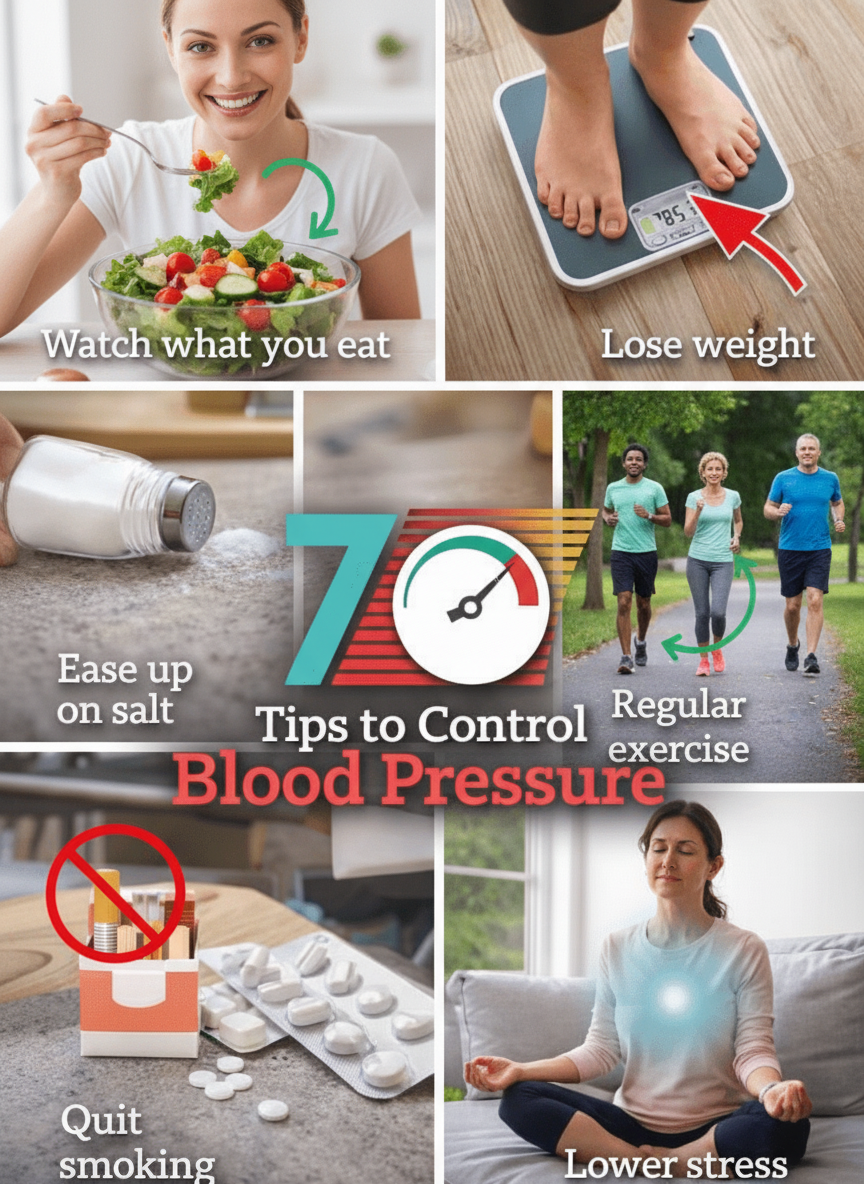
A significant portion of the sodium in our diets is hidden within processed and packaged foods, not primarily from the salt shaker on your table. Experts recommend aiming for a daily sodium intake of 2,300 mg or less, with an ideal target of 1,500 mg for more pronounced benefits in blood pressure control. Here are actionable steps to help you cut back:
- Read Food Labels: Prioritize products labeled “low-sodium,” “reduced sodium,” or “no salt added.”
- Cook More at Home: Preparing meals yourself gives you full control over ingredients. Season your dishes with flavorful herbs, garlic, onion powder, lemon juice, or various spices instead of relying on salt.
- Rinse Canned Goods: For canned beans or vegetables, a quick rinse under running water can reduce their sodium content by up to 40%.
Implementing this single dietary change can significantly help your body retain less fluid, thereby easing the pressure on your arteries and contributing to lower blood pressure.
Moderating Alcohol Consumption and Quitting Smoking
Excessive alcohol intake can contribute to elevated blood pressure over time. It’s advisable to adhere to moderate limits: up to one alcoholic drink per day for women and up to two drinks per day for men. Smoking, on the other hand, inflicts immediate damage on blood vessels and causes rapid, temporary spikes in blood pressure. The benefits of quitting smoking are swift and profound; your blood pressure can begin to improve within weeks, and your risk of heart disease dramatically decreases. If you are considering quitting, discussing support options such as counseling, nicotine replacement therapy, or other aids with your doctor can significantly increase your chances of success.
Mastering Stress: The Unsung Hero of Blood Pressure Management
Chronic stress keeps your body locked in a “fight or flight” response, leading to sustained increases in heart rate and blood pressure, which can contribute to higher readings. Actively finding effective ways to unwind and mitigate stress can make a tangible difference in your blood pressure management. Consider incorporating these practices into your daily routine:
- Deep Breathing Exercises: Dedicate 5 minutes each day to slow, deliberate inhales and exhales.
- Engage in Hobbies: Pursue activities you enjoy, whether it’s reading, painting, or listening to music.
- Connect with Nature: Spend time outdoors, taking walks in a park or garden.
- Mindfulness and Gratitude: Practice gratitude journaling or connect with trusted friends and family members to share your thoughts and feelings.
Many individuals discover that consistent application of relaxation techniques becomes a transformative element in their overall health journey.
Prioritize Quality Sleep and Consistent Home Monitoring
Aiming for 7-9 hours of restorative, quality sleep each night is fundamental. Insufficient or disrupted sleep can significantly interfere with the body’s natural blood pressure regulation processes, impacting both short-term and long-term readings. Establishing a consistent bedtime routine can greatly improve sleep quality:
- Dim the lights in the evening.
- Avoid screens (phones, tablets, computers) at least an hour before bedtime.
- Ensure your bedroom is dark, quiet, and cool.
Finally, the often-overlooked yet incredibly effective habit for managing high blood pressure is consistent home blood pressure monitoring. Regularly checking your blood pressure at home provides invaluable data to you and your healthcare provider, offering a clearer picture of your readings outside of a clinical setting. This ongoing insight helps track the effectiveness of your lifestyle changes and medication, allowing for timely adjustments. Make sure to use a validated device and share your readings regularly with your doctor.
Take Control Today for a Healthier Tomorrow
Managing high blood pressure doesn’t have to feel overwhelming. By embracing these practical and sustainable lifestyle adjustments—from dietary choices and physical activity to stress reduction and prioritizing sleep—you can proactively take control of your cardiovascular health. Remember that consistency, even with small steps, combined with regular home monitoring and open communication with your healthcare provider, forms the most powerful strategy for achieving and maintaining healthy blood pressure levels. Start your journey towards a healthier heart today.