 By admin
 Lice Removal Tips at Home: The Herbal Oil Habit Many Families Overlook
For many families, especially those with young children, the discovery of head lice can bring a wave of embarrassment and discomfort. Imagine a child leaning in for a hug, and you spot those tiny, unwelcome guests. This common scenario often leads to discreet conversations and a sense of unease. Head lice infestations spread silently within households, schools, and social circles, causing persistent itching, scalp irritation, and frustration when conventional shampoos seem ineffective. However, there’s good news: managing this situation safely is possible with simple hygiene practices and gentle home care techniques. Later in this article, we’ll reveal a traditional herbal oil routine that many households have quietly relied on for generations.
Understanding Head Lice: How They Spread So Easily
Head lice, scientifically known as Pediculus humanus capitis, are minuscule parasitic insects that reside on the human scalp, feeding on small quantities of blood. These common pests affect millions globally, particularly children and families who live or interact in close proximity. A widespread misconception is that lice indicate poor hygiene; however, this is incorrect. Lice can, in fact, spread effortlessly through everyday activities. Common transmission methods include:
- Sharing personal hair tools like combs or brushes
- Close physical contact during children’s play
- Wearing shared items such as hats, pillows, or scarves
- Sleeping in shared beds during family visits or gatherings
Crucially, public health studies confirm that head lice primarily spread via direct head-to-head contact, not due to lack of cleanliness. Given their rapid reproductive cycle, early detection and prompt intervention are vital for effective management.
Recognizing the Signs of a Head Lice Infestation
Many individuals, especially adults, first become aware of a lice infestation through symptoms rather than by visually spotting the tiny insects. Typical indicators that suggest the presence of head lice may include:
- Persistent and intense itching of the scalp
- Small, irritated red bumps appearing on the neck or scalp
- Difficulty falling asleep or disturbed sleep due to constant irritation
- The presence of tiny, white or yellowish eggs (nits) firmly attached to hair strands close to the scalp
It’s worth noting that some individuals, particularly older adults, might experience minimal or no itching initially. Therefore, a thorough visual inspection using a fine-toothed comb and adequate lighting is highly recommended for accurate identification.
Quick Comparison: Head Lice Eggs (Nits) vs. Dandruff
| Feature | Lice Eggs (Nits) | Dandruff Flakes |
|---|---|---|
| Location | Firmly glued to individual hair shafts | Loose, often scattered on the scalp and hair |
| Movement | Immobile and difficult to dislodge | Easily falls off when touched or brushed |
| Color | Translucent, yellowish, or light brown | Typically white or off-white |
| Shape | Distinctly oval or tear-drop shaped | Irregular, flaky particles |
Performing this simple differentiation check can help prevent unnecessary anxiety and ensure the correct course of action.
The Appeal of Gentle, Natural Home Care Methods
In numerous households, particularly among older generations in regions like Mexico, natural scalp care remedies have been cherished for decades. Their enduring popularity stems from several factors: these methods are often straightforward, cost-effective, and utilize ingredients commonly found in most kitchens. Certain oils can be particularly beneficial by:
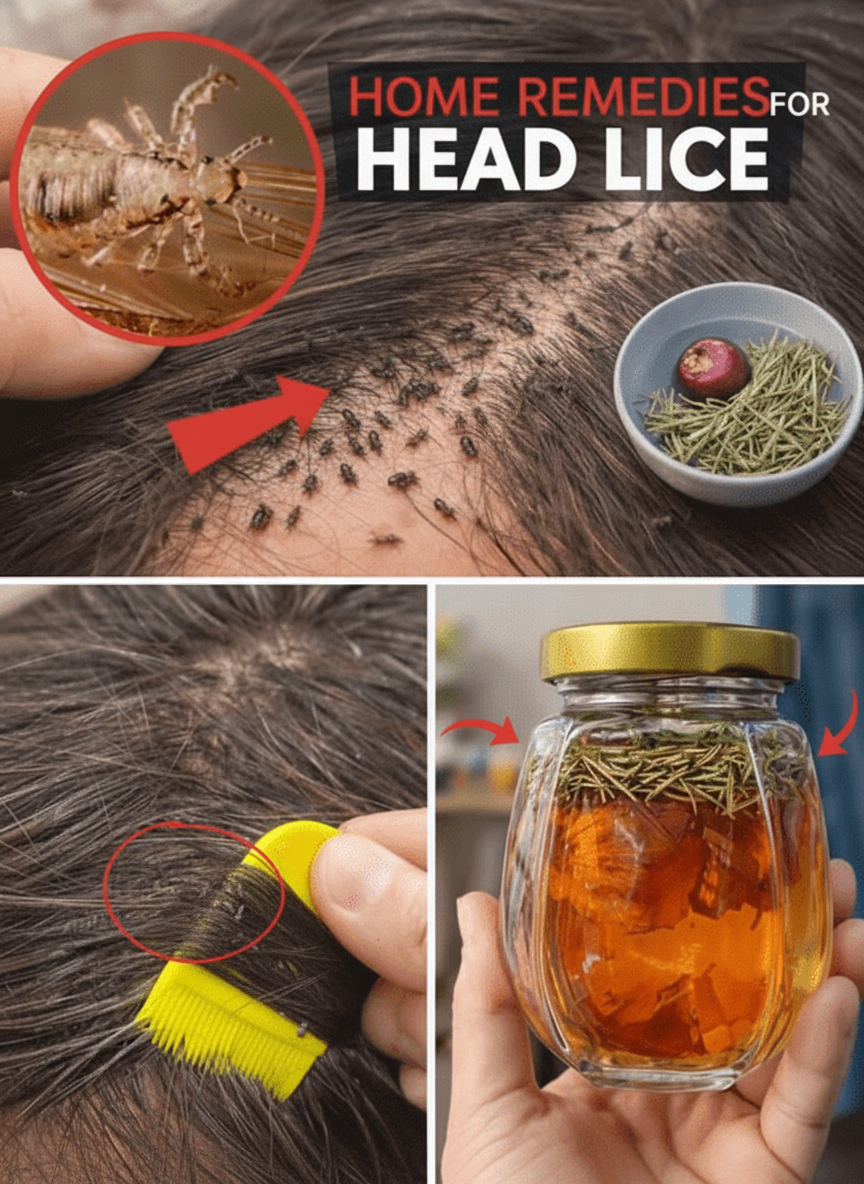
- Creating a slippery coating on hair strands, which helps lice detach more easily
- Soothing and conditioning the scalp, thereby reducing irritation and discomfort
- Facilitating smoother combing with a specialized fine-toothed lice comb
It is crucial to emphasize that natural remedies serve as complementary supportive hygiene practices and should not replace professional medical advice or prescribed treatments. Nevertheless, many families value the gentle approach of herbal oils for maintaining scalp health. An interesting aspect of these traditional methods is that specific herbs incorporated into these oils possess natural aromatic compounds that are inherently disliked by insects, offering an additional layer of deterrent.
A Time-Honored Herbal Oil Routine for Lice Management
This simple yet effective routine draws inspiration from traditional home practices, often passed down through generations. The key ingredients typically include:
- Olive oil or coconut oil (as a base)
- Fresh garlic cloves
- Rosemary leaves
These particular herbs have been historically favored in traditional herbal remedies due to their potent natural aromas. Here’s a straightforward preparation method:
- Gently warm one cup of your chosen base oil (olive or coconut oil) in a saucepan over low heat.
- Add two freshly crushed garlic cloves and a small handful of fresh rosemary leaves to the warm oil.
- Allow the mixture to infuse for several hours, or ideally, overnight, to extract the herbal properties.
- Strain the infused oil to remove the herb particles and store it in a clean, airtight glass jar.
Applying the Herbal Oil: A Step-by-Step Guide
Once prepared, families commonly apply this herbal oil following these steps:
- Apply a modest amount of the infused oil directly to the scalp and saturate the hair strands.
- Gently massage the oil into the scalp for several minutes, ensuring even distribution.
- Leave the oil on the hair for approximately 30 to 60 minutes.
- Carefully comb through the hair, section by section, using a specialized fine-toothed lice comb to remove lice and nits.
- Wash the hair thoroughly with your regular shampoo, rinsing well.
It’s important to understand that the meticulous combing step is often the most critical component for physically removing lice and their eggs. The herbal oil primarily functions to lubricate the hair, making the combing process significantly easier and more effective.
Comprehensive At-Home Head Lice Management Routine
Healthcare professionals frequently recommend a holistic approach that combines several straightforward habits for effective head lice management. A practical routine designed for home use may encompass:
- Regularly checking the scalp of all family members, especially children, for any signs of lice or nits.
- Utilizing a fine-toothed lice comb every few days, particularly after washing, to systematically remove any remaining lice or eggs.
- Washing all bedding, pillowcases, and recently worn clothing in hot water (at least 130°F/54°C) and drying on a high heat cycle.
- Strictly avoiding the sharing of personal items such as combs, brushes, hats, or hair accessories.
- Thoroughly cleaning all hair accessories, including brushes and combs, by soaking them in hot water or rubbing alcohol.
However, successful lice eradication isn’t just about following these steps once; consistency and persistence are paramount to truly break the cycle and prevent re-infestation.