 By admin
 Living with eczema often feels like navigating a minefield of daily decisions, especially when it comes to personal care. The constant itch, dryness, and redness can make even simple routines, like showering, feel daunting. For years, many with eczema have been told to limit bathing to avoid further drying out their skin. But what if that advice is outdated? Groundbreaking research is now challenging these long-held beliefs, offering a refreshing perspective that could transform your daily routine.
Understanding Eczema and Persistent Myths
Eczema, or atopic dermatitis, is a prevalent skin condition characterized by inflamed, itchy patches. While factors like weather and stress play a role, personal care habits are crucial. A common myth suggests that frequent bathing strips away natural oils, exacerbating dryness. This has led many to drastically cut down on showers. However, the truth is more nuanced: it’s not just about how often you bathe, but how you bathe. Harsh soaps or hot water can irritate, but gentle practices, followed by proper moisturizing, can make all the difference.
The Latest Science: Shower Frequency & Eczema Symptoms
A pivotal study published in the British Journal of Dermatology in 2025 has directly addressed the showering dilemma. Researchers conducted a randomized controlled trial involving 438 participants with eczema, dividing them into two groups: one bathing daily (six or more times a week) and another bathing weekly (one or two times). Over four weeks, symptoms were meticulously tracked using the Patient-Oriented Eczema Measure (POEM) score.
The remarkable finding? There was no significant difference in eczema symptoms between the daily and weekly bathing groups. Both groups saw a slight improvement in their mean POEM scores, with a minimal adjusted difference (-0.4 points). This robust evidence strongly suggests that bathing frequency, in itself, does not inherently worsen eczema symptoms. Participants also reported no serious harms, bolstering the study’s reliability.
What This Means for Your Daily Life
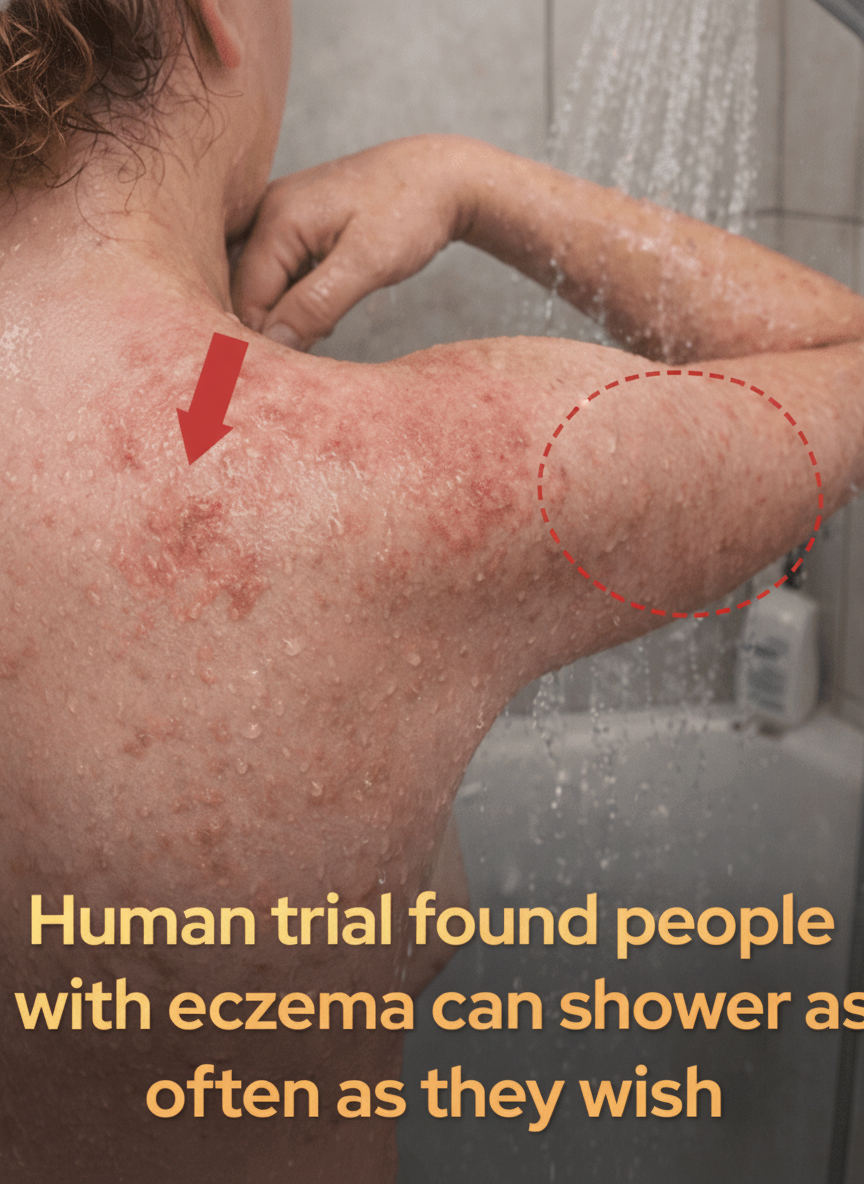
Imagine the liberation of choosing your shower schedule without fear of flare-ups! This study empowers individuals with eczema to personalize their bathing habits. Whether you prefer the comfort and cleanliness of a daily shower or the time-saving benefits of less frequent bathing, you can now make that choice with confidence. This evidence-based guidance also provides a clearer, more consistent message for healthcare providers, reducing confusion and improving eczema management strategies.
Practical Tips for Eczema-Friendly Showers
Ready to embrace a more flexible bathing routine? Follow these actionable steps to ensure your showers support healthy skin:
- Lukewarm Water: Opt for warm, not hot, water to protect your skin’s natural barrier. Aim for around 90-100°F (32-38°C).
- Short & Sweet: Limit shower time to 5-10 minutes to minimize moisture loss.
- Gentle Cleansers: Use fragrance-free, mild cleansers specifically designed for sensitive or eczema-prone skin. Lather sparingly.
- Pat, Don’t Rub: Gently pat your skin dry with a soft towel, paying attention to skin folds. Avoid harsh rubbing.
- “Soak and Seal”: The golden rule! Apply a thick, ointment-based moisturizer within three minutes of exiting the shower, while your skin is still damp. This locks in essential hydration.
- Consider Bath Oils: If you prefer baths, adding emollients or bath oils can further enhance moisture.
Step-by-Step Eczema-Safe Shower Routine:
- Prepare: Gather your mild soap, moisturizer, and a clean, soft towel before you step in.
- Temperature Check: Set the water to a comfortable lukewarm temperature.
- Cleanse Wisely: Apply cleanser only to areas that need it, and rinse thoroughly.
- Blot Dry: Gently blot your skin until it’s just damp.
- Moisturize Immediately: Don’t delay! Apply your chosen moisturizer generously.
- Monitor: Pay attention to your skin’s reaction and adjust your routine as needed.
Beyond the Shower: Holistic Skin Health
While smart showering is key, remember that overall skin health is a team effort. Stay well-hydrated by drinking plenty of water throughout the day. Opt for breathable fabrics like cotton to minimize irritation and allow your skin to breathe. By integrating these habits, you can create a comprehensive approach to managing your eczema, leading to greater comfort and confidence.