 By admin
 Many of us casually dismiss common plants growing in our gardens or yards, labeling them as mere weeds to be removed. Yet, imagine if one of these seemingly ordinary growths held a profound historical significance, quietly revered in traditional herbal practices across various Asian cultures for generations. It can be surprising, even a little frustrating, to discover you might have been overlooking a natural treasure right in your own outdoor space—a plant cherished by others as a staple in their daily wellness rituals. The exciting revelation? This humble green plant, characterized by its small leaves and delicate white flowers, is very likely Eclipta prostrata, widely known as false daisy or cỏ mực in Vietnam. Understanding its story could fundamentally transform your perspective on your own backyard. Continue reading, as I’ll also share practical and safe methods by which people have traditionally integrated this remarkable herb into their daily lives.
Unveiling Eclipta Prostrata: A Closer Look at This Common Herb
Eclipta prostrata, a resilient low-growing annual herb belonging to the Asteraceae family, thrives in damp environments, frequently appearing in gardens, along pathways, and in tropical climates such as Vietnam. Its distinctive features include deep green, oppositely arranged leaves with subtly serrated margins and tiny, white, button-shaped flowers. While often perceived as a persistent weed in many areas, this plant holds significant cultural value. In revered traditional systems like Ayurveda, it is known as Bhringraj and is deliberately cultivated or harvested. Similarly, in Vietnamese folk medicine, it’s a staple. Beyond its botanical description, its enduring appeal stems from its reputed ability to support holistic well-being, ranging from enhancing hair health to providing soothing respiratory relief.
Generations of Wisdom: Why Eclipta Prostrata is a Traditional Wellness Staple
Across continents and through countless generations, diverse cultures—from the vibrant traditions of India and Vietnam to indigenous practices in Brazil—have consistently integrated Eclipta prostrata into their natural wellness regimens. In Vietnam, for instance, the fresh leaves, locally known as cỏ mực, are often pressed into juice or steeped to create herbal brews. Meanwhile, Ayurvedic practitioners highly regard it for its renowned rejuvenating qualities, particularly in hair and liver health. This ancient appreciation is now increasingly supported by modern scientific inquiry. Contemporary research actively investigates its rich profile of anti-inflammatory and antioxidant compounds, which could elucidate many of its historical applications. For example, studies utilizing animal models have explored how extracts from this plant might contribute to respiratory comfort by mitigating inflammation within the airways. Intriguingly, one specific study on mice indicated potential benefits for bronchial hyperresponsiveness in contexts related to allergies. These scientific observations strikingly resonate with centuries-old folk practices, where the plant was traditionally employed for soothing mild coughs or alleviating seasonal discomfort, frequently combined with natural sweeteners like honey or other gentle botanical ingredients.
Bioactive Powerhouse: Key Compounds in Eclipta Prostrata
The enduring traditional appeal of Eclipta prostrata is attributed by scientists to several potent bioactive compounds it contains:
- Wedelolactone and Flavonoids: These powerful compounds are recognized for their robust antioxidant activity, crucial in neutralizing free radicals and mitigating oxidative stress within the body.
- Coumarins and Triterpenoids: Researchers are actively investigating these constituents for their promising anti-inflammatory properties, which may underpin many of the plant’s traditional soothing applications.
- Alkaloids: A diverse group of nitrogen-containing compounds, alkaloids in Eclipta prostrata are being examined for their varied roles in supporting overall physiological balance and general well-being.
These intricate, naturally occurring compounds are the primary reason scientists continue their dedicated research into Eclipta prostrata, aiming to fully understand its mechanisms. While much of our current understanding is rooted in centuries of traditional knowledge and preliminary scientific studies, there’s even more to uncover regarding its practical integration into daily life.
Traditional Applications of Eclipta Prostrata (Important Safety Note)
Across various folk traditions, the preparation and use of Eclipta prostrata are typically straightforward:
- Fresh Leaf Juice: Often blended with honey, this preparation is traditionally consumed for its soothing properties, particularly for respiratory comfort.
- Herbal Tea: Dried leaves of Eclipta prostrata are commonly steeped to create a gentle, mild tea.
- Topical Uses: In certain cultures, it is applied externally as a paste or oil to support skin health and promote lustrous hair.
Important Note: It is crucial to remember that these are time-honored traditional practices and should not be considered substitutes for modern medical advice or treatment. Always exercise caution, prioritize safety, and use moderation when exploring any herbal remedy.
Practical Guidance: Identifying and Safely Utilizing Eclipta Prostrata
For those interested in exploring the presence of this remarkable plant in their own backyard, here’s a responsible, step-by-step guide to its identification and initial handling:
- Observe Key Characteristics: Look for its low-lying stems, distinctive opposite oval-shaped leaves (typically 2-8 cm in length), small white or subtly greenish button-like flowers, and a notable tendency for its nodes to root when they touch the soil.
- Verify Identification: Cross-reference your findings with credible botanical photographs or trusted plant identification applications (searching for “Eclipta prostrata,” “false daisy,” or “cỏ mực”). If any doubt remains, it is always best to refrain from use and consult a local botanical expert or horticulturist.
- Conscientious Harvesting: Select plants from clean, uncontaminated areas, ensuring they are free from pesticides or pollutants. Prioritize harvesting fresh, young leaves and wash them meticulously before any use.
- Begin with Small Doses: If you choose to prepare a tea, start with a modest amount—about 1-2 teaspoons of dried leaves steeped in hot water for 5-10 minutes. Carefully observe your body’s individual response.
- Thoughtful Combinations: In traditional preparations, Eclipta prostrata is often combined with complementary ingredients like honey or ginger, not only for enhanced palatability but also for synergistic effects.
Always bear in mind: The exploration of natural remedies should be approached with respect and mindfulness, complementing rather than replacing professional medical counsel. Enjoy discovering the hidden wonders in your own environment!
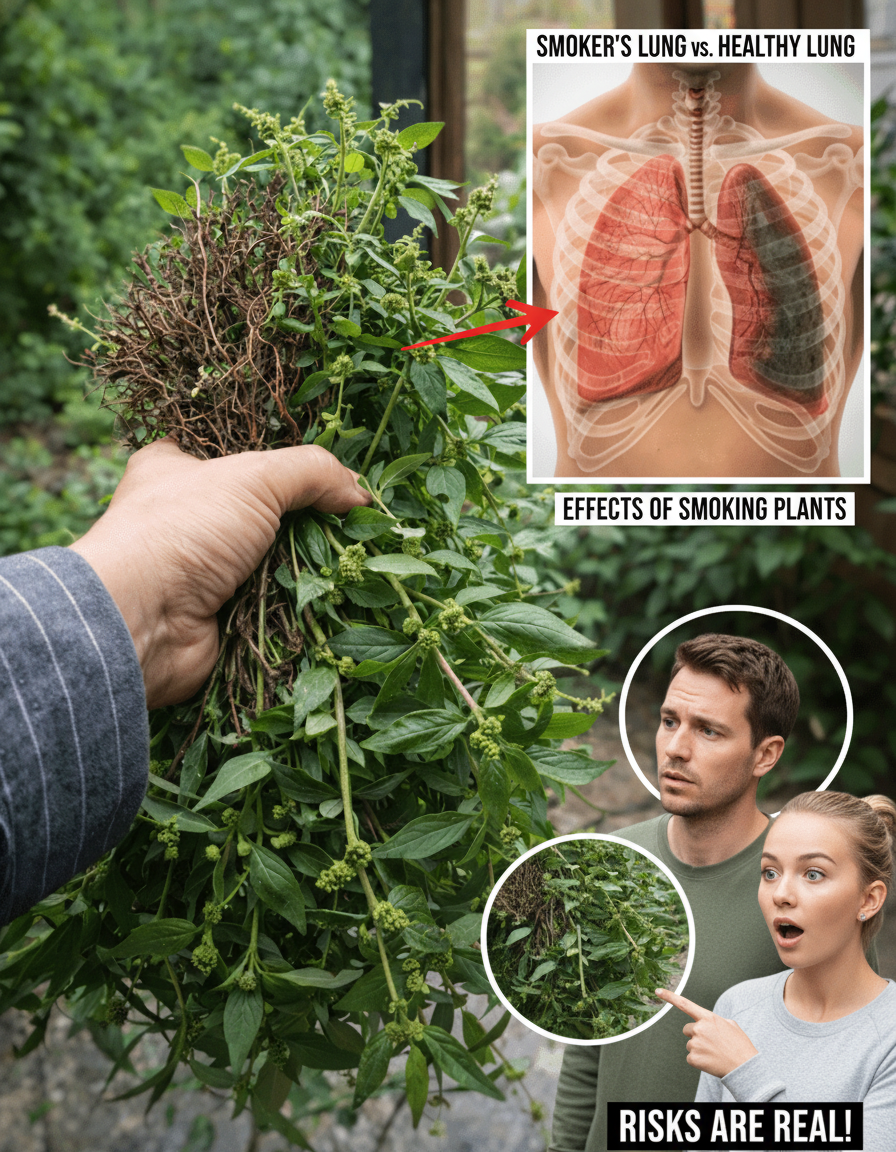
(Imagine here a realistic smartphone photo of fresh Eclipta prostrata leaves freshly picked, held in hand against a garden background, bathed in natural daylight, showing slight imperfections.)