 By admin
 Eat Your Way to Stroke Prevention: The Top 15 Foods for a Healthier Brain and Heart
Stroke continues to be a major global health concern, standing as a primary cause of mortality and severe long-term disability. However, compelling research indicates that a significant majority—up to 80%—of strokes are potentially avoidable through sustained lifestyle adjustments. Among these, dietary choices emerge as one of the most impactful strategies at our disposal.
Extensive scientific investigations, including landmark studies like INTERSTROKE, the Nurses’ Health Study, PREDIMED, and comprehensive meta-analyses from leading organizations such as the American Heart Association and the World Stroke Organization, consistently highlight the profound role of specific everyday foods. These foods are shown to significantly diminish stroke risk by actively combating inflammation, enhancing blood vessel integrity, regulating blood pressure, reducing detrimental cholesterol levels, inhibiting harmful clot formation, and shielding brain cells from oxidative stress.
The following 15 foods have been identified through rigorous, high-quality research as offering the most potent and reliable protective effects against stroke. Importantly, they are not only backed by strong evidence but are also accessible, affordable, and straightforward to integrate into your daily meals.
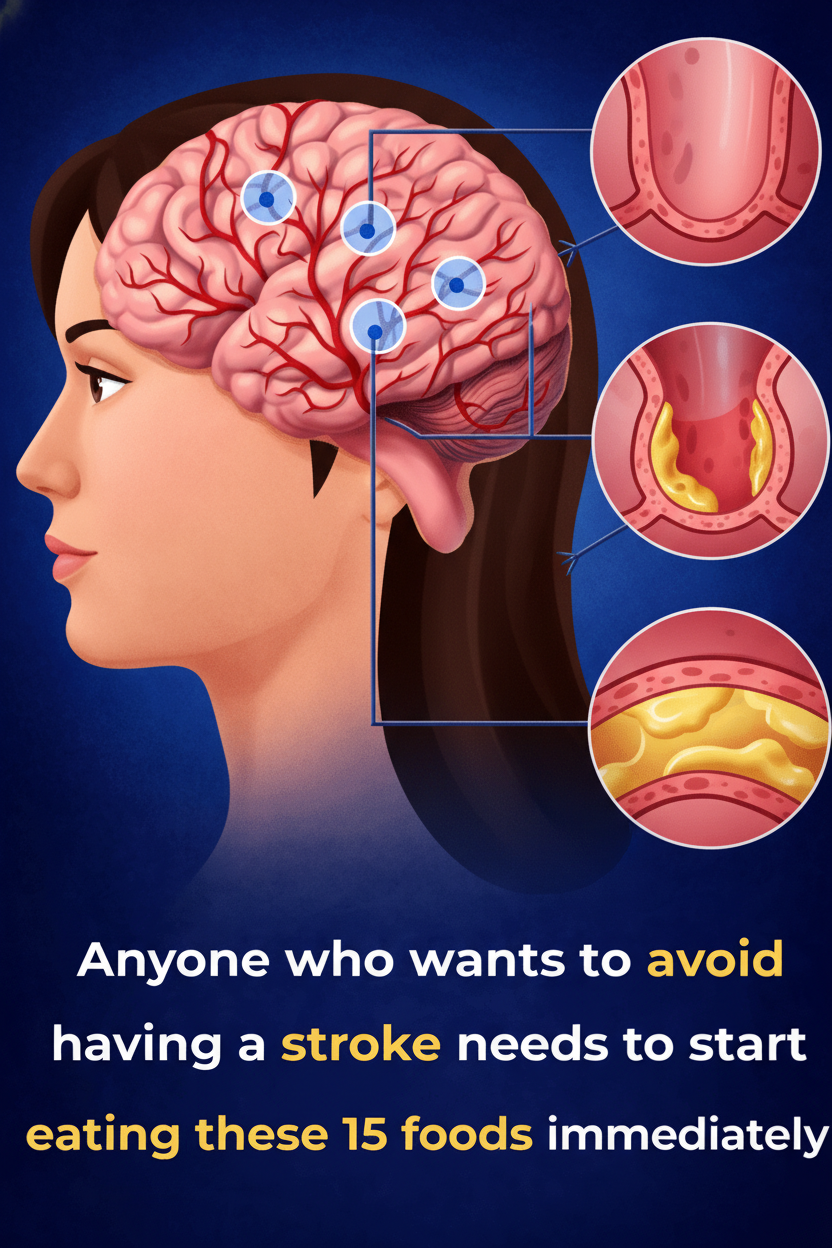
Powerhouse Foods: Your Daily Shield Against Stroke
- Extra-Virgin Olive Oil (EVOO): Often hailed as the most significant dietary contributor to stroke prevention, EVOO is packed with monounsaturated fatty acids like oleic acid and powerful polyphenols. These compounds work synergistically to substantially enhance endothelial function—the health of your blood vessel lining—and significantly reduce systemic inflammation. Robust evidence, particularly from the PREDIMED trial, demonstrated that a high intake of EVOO could slash stroke risk by an impressive 30–40%. Daily incorporation: Aim for 2–4 tablespoons, perfect for drizzling over salads, cooked vegetables, or other dishes.
- Fatty Fish (Salmon, Mackerel, Sardines, Herring, Anchovies): These ocean treasures are exceptional sources of EPA and DHA omega-3 fatty acids. These essential fats are critical for cardiovascular health, effectively reducing triglyceride levels, preventing the dangerous rupture of arterial plaque, diminishing inflammation throughout the body, and maintaining a stable heart rhythm. Extensive meta-analyses consistently reveal that consuming 2–3 servings of fatty fish weekly is associated with a 12–36% reduction in ischemic stroke risk. Weekly recommendation: Incorporate 100–150 grams (cooked weight) into your diet 2–3 times per week.
- Leafy Greens (Spinach, Kale, Swiss Chard, Arugula, Collard Greens): These vibrant vegetables are superstars for vascular health, boasting exceptionally high levels of dietary nitrates. Once consumed, these nitrates convert into nitric oxide within the body, a compound vital for relaxing blood vessels and, consequently, lowering blood pressure. Beyond nitrates, leafy greens also supply abundant vitamin K, folate, and a spectrum of antioxidants. Research involving large cohorts has linked a high intake of leafy greens to an 11–20% lower risk of stroke. Daily intake: Aim for 1–2 cups, whether raw in salads or lightly cooked.
- Berries (Blueberries, Strawberries, Blackberries, Raspberries): These vibrant fruits are rich in anthocyanins, potent antioxidants renowned for their ability to safeguard blood vessels, mitigate inflammation, and enhance the critical function of the endothelium. Studies consistently show that individuals with higher berry consumption enjoy a 15–30% reduced risk of stroke. Daily serving: Enjoy ½–1 cup of fresh or frozen berries.
- Nuts (Walnuts, Almonds, Pistachios, Hazelnuts): A powerhouse of healthy fats, dietary fiber, vitamin E, magnesium, and beneficial plant sterols, nuts are exceptional for cardiovascular well-being. They actively work to lower LDL (“bad”) cholesterol, decrease inflammation, and improve overall arterial health. Research suggests that consuming 28–50 grams of nuts daily is associated with a 10–30% reduction in stroke risk. Daily recommendation: A small handful, approximately 20–40 grams.
- Avocados: These creamy fruits are packed with heart-healthy monounsaturated fats, fiber, potassium, and plant sterols. This unique combination helps to effectively lower LDL cholesterol while simultaneously increasing beneficial HDL cholesterol, and also contributes to reducing blood pressure. Evidence indicates that regular avocado consumption leads to significant improvements in lipid profiles and overall vascular function. Daily intake: Incorporate ½–1 avocado into your diet.
- Dark Chocolate (≥70% Cocoa): Indulge wisely in dark chocolate, particularly varieties with 70% cocoa or higher, for its rich flavonoid content. These potent compounds are known to enhance endothelial function, contribute to lower blood pressure, and reduce platelet aggregation, which is crucial for preventing blood clots. Studies have linked a higher intake of cocoa to a 10–20% reduction in stroke risk. Daily portion: Enjoy 20–30 grams, typically 1–2 small squares.
- Tomatoes (Especially Cooked): Tomatoes are an excellent source of lycopene, a powerful antioxidant that is more bioavailable when cooked (e.g., in sauces, soups, or pastes). Lycopene accumulates in arterial walls, where it plays a vital role in reducing oxidative damage and inhibiting plaque formation. Research indicates that a higher intake of lycopene is associated with a 10–20% decrease in stroke risk. Daily serving: Aim for ½–1 cup of cooked tomatoes.
- Green Tea (Unflavored, Brewed from Leaves): This ancient beverage is celebrated for its health benefits, largely due to its high concentration of catechins, especially EGCG. These compounds are instrumental in improving vascular function, helping to lower blood pressure, and effectively reducing systemic inflammation. Consuming 2–4 cups of green tea daily has been linked to a significant 15–30% lower risk of stroke. Daily recommendation: Enjoy 2–4 cups of freshly brewed, unflavored green tea.
- Oats / Oat Bran: A staple for heart-healthy breakfasts, oats and oat bran are rich in beta-glucan, a type of soluble fiber. This fiber is highly effective at lowering LDL (“bad”) cholesterol levels and plays a crucial role in stabilizing blood sugar, both factors critical for stroke prevention. Consistent consumption of oats has been associated with a 10–20% reduction in cardiovascular events, including stroke. Daily serving: Incorporate ½–1 cup of cooked oats or oat bran into your routine.
- Beets / Beetroot Juice: Beets and their juice are excellent sources of high dietary nitrates. These nitrates are converted into nitric oxide in the body, which then acts to relax blood vessels, leading to a measurable reduction in blood pressure. Scientific evidence demonstrates that beetroot juice can lower systolic blood pressure by 4–10 mmHg and significantly improve endothelial function. Daily intake: Consume ½–1 cup of beet juice or one medium beet.
- Garlic (Fresh, Raw, or Lightly Cooked): Beyond its culinary appeal, garlic is a potent ally against stroke, thanks to its active compounds like allicin and various sulfur compounds. These constituents are known to improve endothelial function, help lower blood pressure, and reduce platelet aggregation, thereby discouraging the formation of harmful blood clots. Regular inclusion of garlic in the diet has been linked to a 10–20% decreased risk of stroke. Daily recommendation: Incorporate 1–2 cloves into your meals.
- Flaxseeds (Freshly Ground): These small but mighty seeds are a nutritional powerhouse, offering alpha-linolenic acid (ALA) omega-3 fatty acids, lignans, and abundant fiber. Together, these components work to reduce inflammation, contribute to lower blood pressure, and enhance a healthy lipid profile. A higher intake of ALA, particularly from sources like flaxseeds, is associated with a reduced risk of ischemic stroke. Daily serving: Add 1–2 tablespoons of freshly ground flaxseeds to your diet.
- Pomegranate (Juice or Seeds): Pomegranates, whether consumed as juice or seeds, are celebrated for their rich content of punicalagins. These exceptionally potent antioxidants are crucial for improving endothelial function and actively working to reduce arterial plaque buildup. Even smaller clinical trials have demonstrated that regular pomegranate consumption can lead to improved carotid artery health and a reduction in oxidative stress, both vital for stroke prevention. Daily intake: Enjoy ½–1 cup of juice or seeds.