 By admin
 Experiencing the discomfort of heavy, tight, or visibly swollen legs by day’s end can significantly impact your daily life. That persistent pressure in your calves or ankles might disrupt your sleep and diminish your desire for physical activity. Over time, this recurring puffiness can influence everything from your footwear choices to your ability to stand for extended periods, potentially even affecting your overall well-being. The good news is that practical, natural approaches exist to help you reclaim a feeling of lightness and comfort. Continue reading, as the final piece of advice reveals a remarkably simple daily practice often overlooked, yet highly effective for managing swollen legs.
Why Do Legs and Feet Sometimes Swell? Understanding Fluid Retention
The phenomenon of leg swelling, often referred to as fluid retention or edema, occurs when excess fluid accumulates in the lower extremities. This condition is particularly prevalent after extended periods of immobility, such as prolonged sitting or standing, during long-haul travel, or in hot climates. Leading health organizations, including the Mayo Clinic and the American Heart Association, highlight that lifestyle elements like blood circulation, adequate hydration, dietary sodium levels, and regular physical activity play crucial roles in how your body maintains its fluid equilibrium. Fortunately, in many instances, adopting minor daily adjustments and incorporating gentle, natural strategies can significantly improve comfort and mobility when dealing with swollen legs.
Common Lifestyle Triggers for Leg Swelling
Before diving into effective natural remedies, it’s beneficial to recognize the everyday factors that can contribute to that sensation of heavy, swollen legs. Common lifestyle triggers include:
- Extended Inactivity: Prolonged periods of sitting or standing without movement.
- Excessive Sodium: A diet high in sodium, often from processed foods.
- Insufficient Hydration: Not drinking enough water throughout the day.
- Environmental Heat: Exposure to warm temperatures, which can expand blood vessels.
- Lack of Movement: Insufficient physical activity or exercise.
- Restrictive Apparel: Wearing tight clothing or shoes that impede circulation.
The encouraging news is that identifying and addressing these triggers through simple adjustments and natural routines can lead to a remarkable improvement in your daily comfort and help alleviate fluid retention.
5 Powerful Natural Remedies to Alleviate Swollen Legs
These gentle, accessible remedies are designed to enhance circulation, promote optimal hydration, and encourage relaxation, offering effective relief without requiring extreme or complex routines to manage leg swelling.
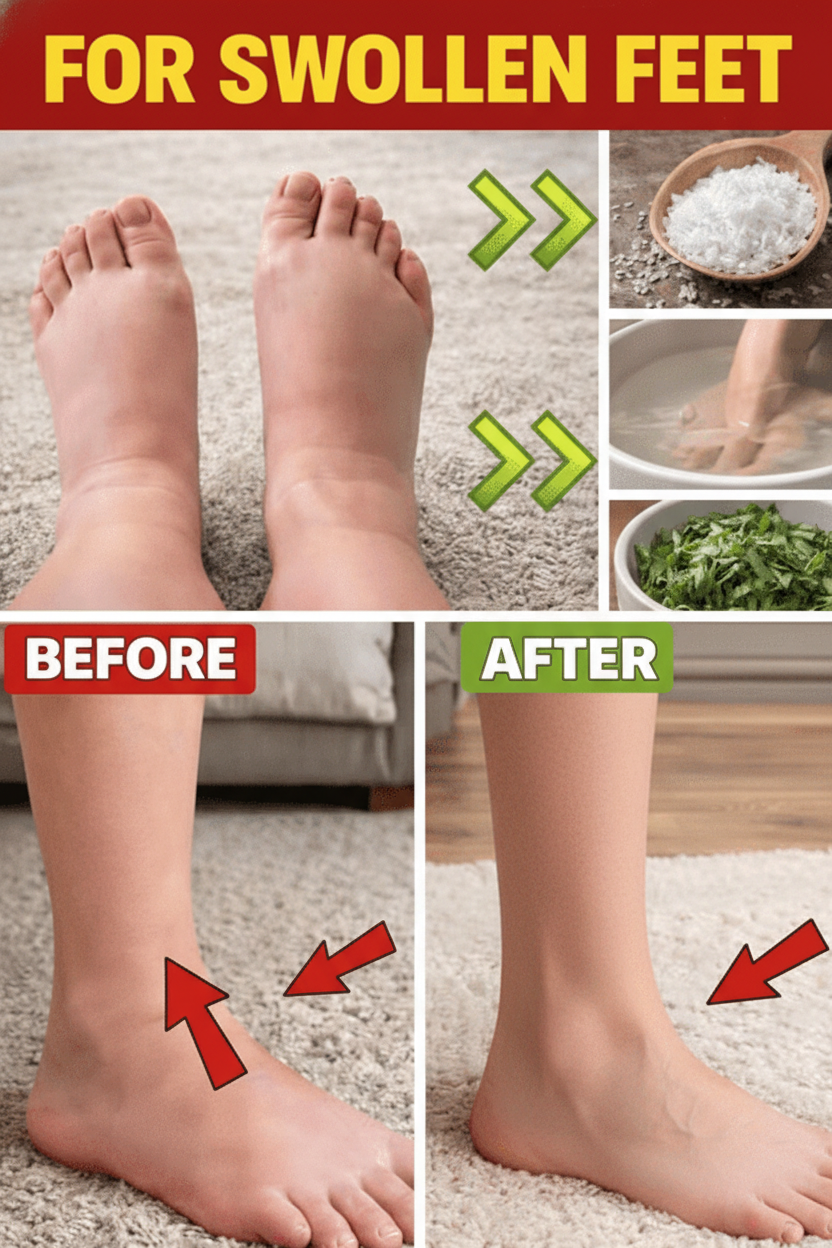
1. Soothing Warm Epsom Salt Foot Soaks
Indulging in a warm foot soak stands out as one of the most straightforward methods to unwind while simultaneously promoting comfort for tired and swollen feet and legs. This traditional practice is valued for several reasons:
Why it helps: Epsom salt is composed of magnesium sulfate, a mineral compound frequently utilized in wellness traditions for its potential therapeutic properties. While extensive scientific research is ongoing, preliminary studies and numerous personal accounts suggest that warm water immersion can help relax tense muscles and temporarily reduce sensations of tightness associated with fluid retention.
How to incorporate it:
- Fill a basin with comfortably warm (not scalding hot) water.
- Dissolve ½ cup of Epsom salt into the water.
- Submerge your feet for 15–20 minutes.
- After soaking, gently pat your feet dry and consider elevating your legs.
Furthermore, integrating a calming evening foot soak can also contribute to improved sleep quality and overall relaxation, making it a holistic approach to managing discomfort from swollen legs.
2. Elevating Your Legs for Improved Circulation
Often underestimated, yet remarkably effective, gentle leg elevation is a cornerstone habit for addressing swollen legs. By positioning your legs above heart level, you harness the power of gravity to facilitate the return of accumulated fluid from the lower body back towards the torso, thereby aiding circulation.
Implement this simple routine:
- Recline comfortably on a bed or sofa.
- Place several pillows or a wedge cushion beneath your calves.
- Maintain this elevated position for 15–20 minutes.
- Repeat this practice once or twice daily, especially after prolonged periods of standing or sitting.
Circulation studies indicate that even brief sessions of leg elevation can significantly enhance comfort and reduce the feeling of heaviness associated with fluid retention, particularly beneficial after extended hours of immobility.
3. Cooling Herbal Compresses: Parsley or Green Tea
Herbal compresses have a long-standing history in traditional wellness practices across various cultures, renowned for their soothing properties. Both parsley and green tea are rich in beneficial antioxidants and various plant compounds that can offer a refreshing and calming sensation when applied topically to swollen ankles and calves.
To prepare a simple compress:
- Brew a strong infusion of either green tea or parsley (using fresh parsley simmered in water).
- Allow the liquid to cool completely to room temperature.
- Submerge a clean cloth (like a washcloth or gauze) into the cooled herbal liquid.
- Gently wrap the saturated cloth around your ankles or calves, leaving it in place for 10–15 minutes.
Beyond the herbal benefits, the immediate cooling sensation itself can provide significant relief, helping your legs feel noticeably lighter and more invigorated, effectively combating the discomfort of leg swelling.
4. Incorporate Light Movement and Ankle Exercises
Engaging in regular movement is arguably one of the most fundamental and natural methods to bolster healthy circulation throughout the body. As muscles contract during activities such as walking or stretching, they act as a pump, actively encouraging the efficient movement of fluid and helping to prevent accumulation, thereby reducing fluid retention in the legs.
Simple, effective movements to integrate:
- Ankle Circles: Perform 10 rotations in each direction for both ankles.
- Gentle Calf Raises: Slowly lift onto the balls of your feet and lower back down.
- Frequent Short Walks: Take a brief stroll every hour, even if it’s just around the room.
- Post-Sitting Stretches: Incorporate gentle stretches for your legs and feet after extended periods of sitting.
Extensive research in the fields of mobility and healthy aging consistently underscores that consistent, gentle physical activity is crucial for sustaining optimal circulation and long-term comfort, significantly helping to manage and prevent swollen legs.
5. Prioritize Hydration and Potassium-Rich Foods
It may seem counterintuitive, but maintaining adequate hydration is a critical strategy for mitigating the sensation of fluid retention. When your body is dehydrated, it tends to conserve water, leading to potential swelling. Conversely, consistent and proper hydration supports the body’s natural fluid balance and aids in flushing out excess fluids.
Foods that naturally support healthy fluid balance:
- Bananas: An excellent source of potassium.
- Cucumbers: High in water content and beneficial electrolytes.
- Spinach: Rich in potassium and magnesium.
- Avocados: Offer healthy fats and a good amount of potassium.
- Watermelon: Exceptionally hydrating with high water and potassium content.
These foods are valuable not only for their water content but also for their potassium levels, which are essential for maintaining healthy fluid distribution within the body and counteracting leg swelling. Furthermore, a crucial step often overlooked is to actively reduce excessive sodium intake, particularly from processed and packaged foods, as high sodium levels are a primary contributor to fluid retention and swollen legs.