 By admin
 A stroke can strike suddenly, often leaving individuals unaware of the underlying issue until it’s too late. What might initially appear as a fleeting moment of dizziness, an unusual tingling sensation in a limb, or a sudden difficulty with speech, is frequently dismissed as minor or inconvenient. Yet, these subtle early signals are often critical messages from your body, demanding immediate medical attention. The good news is that understanding and promptly recognizing these stroke warning signs can significantly improve outcomes, allowing for quicker medical intervention and potentially minimizing severe, long-term complications. Towards the end of this comprehensive guide, we’ll also introduce a vital, easy-to-remember awareness habit, highly recommended by medical professionals, especially for older adults and their caregivers.
Sudden Numbness or Weakness on One Side of the Body
One of the most frequently reported early stroke symptoms is an abrupt onset of weakness or numbness, typically affecting only one side of the body. Individuals, particularly older adults, often describe a peculiar sensation, such as an arm suddenly feeling unusually heavy, one side of the face appearing to droop when attempting to smile, or a leg becoming difficult to control while walking. This unilateral weakness or numbness is a critical indicator. Neurological research consistently highlights that these symptoms frequently arise from a temporary disruption of blood flow to a specific area of the brain.
Common sensations reported include:
- Unexpected numbness or tingling in one arm or hand.
- Noticeable drooping on one side of the face.
- Challenges in lifting one arm evenly or holding it up.
- A sudden feeling of weakness or dragging in one leg.
A crucial point often overlooked is the transient nature of these symptoms. They may vanish completely within a few minutes, leading many to mistakenly believe the danger has passed. However, even these fleeting episodes can signify a Transient Ischemic Attack (TIA), often referred to as a “mini-stroke.” A TIA is a brief interruption of blood flow to the brain and serves as a powerful warning sign for a future, more severe stroke. This is precisely why medical professionals stress the urgency of seeking immediate evaluation, rather than waiting for symptoms to return or worsen.
Abrupt Confusion or Difficulty with Speech and Understanding
Another significant stroke warning sign involves an abrupt change in a person’s ability to speak or comprehend language. An individual might suddenly struggle to articulate thoughts, find the correct words, or their speech may become slurred, even if they feel mentally sharp. It’s common for family members or close observers to notice these alterations before the person experiencing them does.
Typical indicators of speech and language difficulties include:
- Words being spoken slowly, indistinctly, or becoming jumbled.
- Challenges in understanding simple questions or commands.
- Difficulty repeating basic phrases accurately.
- Sudden, uncharacteristic confusion during a conversation.
It’s imperative to understand that these speech disturbances, much like physical weakness, can be temporary, sometimes lasting less than ten minutes. Nevertheless, extensive neurological research indicates that even brief, transient changes in speech can precede a major stroke by hours or even days. Prompt recognition of these subtle shifts is paramount and should trigger immediate medical assessment to potentially avert a more serious event.
Sudden Vision Problems in One or Both Eyes
Visual disturbances represent another critical stroke symptom that is frequently misunderstood or dismissed. Individuals might describe experiencing a sudden “dark curtain” descending over a portion of their visual field, while others report uncharacteristic blurry or double vision without any apparent cause. These abrupt changes in sight are serious and warrant immediate attention.
Key vision-related warning signs of stroke include:
- Sudden, unexplained blurred vision.
- New onset of double vision (diplopia).
- Partial or complete loss of vision in one eye.
- Abrupt difficulty focusing the eyes.
These visual symptoms occur because the brain plays a crucial role in processing visual signals received from the eyes. When there’s an interruption or change in blood flow to specific areas of the brain responsible for vision, the visual system can temporarily falter in interpreting this information. Given that various eye issues are common with aging, many seniors might attribute these sudden changes to simple fatigue, dry eyes, or routine age-related decline. However, any sudden, unexplained alteration in vision should never be ignored and requires urgent medical evaluation to rule out a stroke.
Severe and Unusual Headache
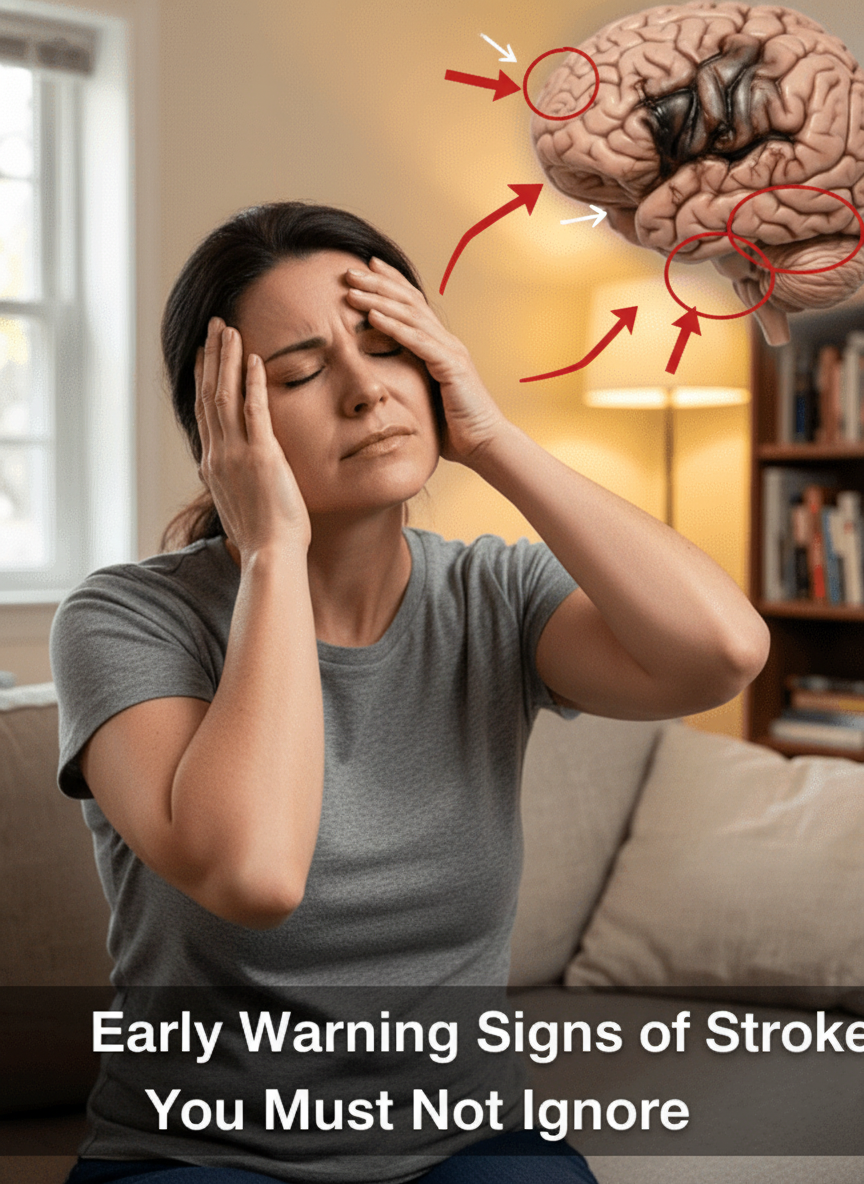
An abrupt, extraordinarily intense headache, distinctly different from any headache previously experienced, can sometimes serve as a critical stroke warning sign. Many individuals describe this as “the worst headache of my life.” Medical professionals often term this a “thunderclap headache” due to its sudden onset and extreme severity. This type of headache should never be taken lightly.
Potential accompanying symptoms that may appear with such a headache include:
- Nausea or vomiting.
- A stiff neck.
- Increased sensitivity to light (photophobia).
- Sudden dizziness or loss of balance.
This particular kind of headache may indicate irritation or disruption of blood vessels within the brain. While headaches can stem from numerous causes and do not automatically confirm a stroke, its sudden, severe presentation, especially when combined with other neurological symptoms, necessitates immediate medical attention. It’s crucial not to dismiss such a severe headache as merely a common ailment.
Balance Problems or Sudden Dizziness
A more subtle yet significant stroke warning sign involves issues with balance and coordination. An individual might suddenly feel unsteady on their feet while walking, or experience severe dizziness without any clear preceding cause. These symptoms can arise when the areas of the brain responsible for maintaining balance and spatial orientation are temporarily compromised.
Common experiences related to balance and dizziness include:
- Sudden onset of dizziness, especially when standing or changing positions.
- Difficulty walking in a straight line or maintaining gait.
- A noticeable loss of coordination or clumsiness.
- A sensation that the room is spinning (vertigo).
It’s important to recognize that while dizziness can often be attributed to common issues like dehydration, inner ear problems, or medication side effects, persistent or sudden dizziness, particularly when accompanied by any of the other neurological symptoms mentioned, should raise serious concerns. Such combined symptoms strongly suggest a need for urgent medical evaluation to assess for a potential stroke or TIA.
The FAST Awareness Habit: Act Quickly
Recognizing the early signs of stroke is critical for ensuring timely medical intervention, which can dramatically improve recovery outcomes and save lives. To help individuals and their loved ones quickly identify a potential stroke, medical experts widely recommend remembering the acronym FAST:
- F – Face Drooping: Ask the person to smile. Does one side of the face droop or is it numb?
- A – Arm Weakness: Ask the person to raise both arms. Does one arm drift downward?
- S – Speech Difficulty: Ask the person to repeat a simple sentence. Is their speech slurred or strange?
- T – Time to Call Emergency Services: If you observe any of these signs, even if they disappear, call 911 (or your local emergency number) immediately. Note the time the symptoms first appeared.
This simple daily awareness habit can empower you to act swiftly when every second counts. Remember, a stroke is a medical emergency. Don’t wait for symptoms to worsen or disappear. Early detection and prompt medical attention are your best defenses against the debilitating effects of a stroke. Be vigilant, stay informed, and always prioritize immediate medical care for suspected stroke symptoms.