 By admin
 Early Menopause: Unmasking the Subtle Signs You Shouldn’t Ignore
Imagine a sudden, intense wave of heat washing over you mid-meeting, your face flushing as sweat beads on your forehead, leaving you desperately fanning yourself. While everyone else seems perfectly fine, you’re left wondering if it’s more than just stress. This scenario, a hot flash, is just one of many subtle shifts that can signal early menopause – a transition millions of women experience before age 45.
Affecting up to 5% of women, early menopause can catch many off guard, yet its implications extend beyond daily discomfort. It can significantly impact long-term health, influencing everything from bone density to heart function. Have you noticed unexpected changes in your body lately? Understanding these shifts is crucial. Let’s delve into the key signs that might be your body’s way of signaling this significant life stage, empowering you to take informed next steps.
Why Recognizing Early Menopause Matters Now
Consider Lisa, a 42-year-old executive, who found herself waking drenched in sweat, sheets clinging uncomfortably as she tossed restlessly. Such disruptions don’t just affect daily life; evidence suggests that unaddressed early menopause may be linked to higher health risks. While every woman’s journey is unique, recognizing common patterns is vital for proactive health management. Are you ready to uncover the signs that could surprise you with their subtlety?
Key Signs of Early Menopause to Watch For
Your body communicates through a series of subtle cues. Pay attention to these indicators:
-
Irregular Periods – The Unpredictable Cycle Shift
Once predictable, your menstrual cycles might now be shortening, lengthening, or skipping entirely, leaving you guessing each month. This common first sign reflects fluctuating hormones, often becoming heavier or lighter. Tracking these changes, like Lisa did, can bring clarity to what might seem like random disruptions.
-
Hot Flashes – Sudden Heat Waves Taking Over
That intense warmth starting in your chest and rapidly spreading, making clothes feel unbearable, is a hallmark symptom. Studies indicate up to 75% of women experience these “vasomotor symptoms” during menopausal transitions. They can disrupt focus and bring unexpected embarrassment, as Sarah, a 40-year-old teacher, discovered. These are often linked to declining estrogen levels.
-
Night Sweats – Waking Soaked and Exhausted
Imagine jolting awake to damp pajamas and bedding, the cool air offering only brief relief before fatigue sets in. These nocturnal versions of hot flashes interrupt vital sleep, compounding tiredness. Sarah’s experience deepened, turning refreshing mornings into groggy days. The frequency of these can vary significantly.
-
Mood Swings – Emotional Rollercoasters Out of Nowhere
Finding yourself snapping at loved ones over minor issues, then tearing up unexpectedly, feeling unlike your usual self? Hormonal fluctuations can significantly influence brain chemistry, leading to surges of irritability or anxiety. Emily, 44, felt overwhelmed by these sudden emotional waves, a stark contrast to her previous steady demeanor.
-
Vaginal Dryness – Subtle Discomfort in Daily Life
Noticing less natural lubrication, leading to irritation or discomfort, especially during intimacy? Declining estrogen thins vaginal tissues, affecting comfort beyond just sexual health. Emily quietly experienced this, leading to hesitation where there was once ease. This is a common, though often unspoken, symptom.
-
Sleep Disturbances – Tossing Through the Night
Beyond night sweats, hormonal shifts can disrupt sleep patterns, leaving you lying awake with a racing mind despite exhaustion, or waking frequently without clear cause. This often leads to a persistent daytime ‘fog.’ Lisa, who once enjoyed deep slumber, found herself relying on naps due to new onset insomnia.
-
Fatigue – Persistent Tiredness Draining Energy
Feeling a bone-deep weariness that no amount of coffee seems to fix, making even routine tasks a struggle? Metabolic changes linked to menopause can contribute to this persistent fatigue, often compounding other symptoms. Sarah felt her usual vibrancy diminish, finding her energy levels constantly tested.
-
Memory Lapses or Brain Fog – Moments Slipping Away
Forgetting words mid-sentence, misplacing keys more often, or struggling with mental clarity can be frustrating. Cognitive shifts can occur during this transition, with evidence pointing to estrogen’s crucial role in brain function. Emily initially laughed these off, but soon found notes essential to navigate her day.
-
Thinning Hair or Dry Skin – Subtle Appearance Shifts
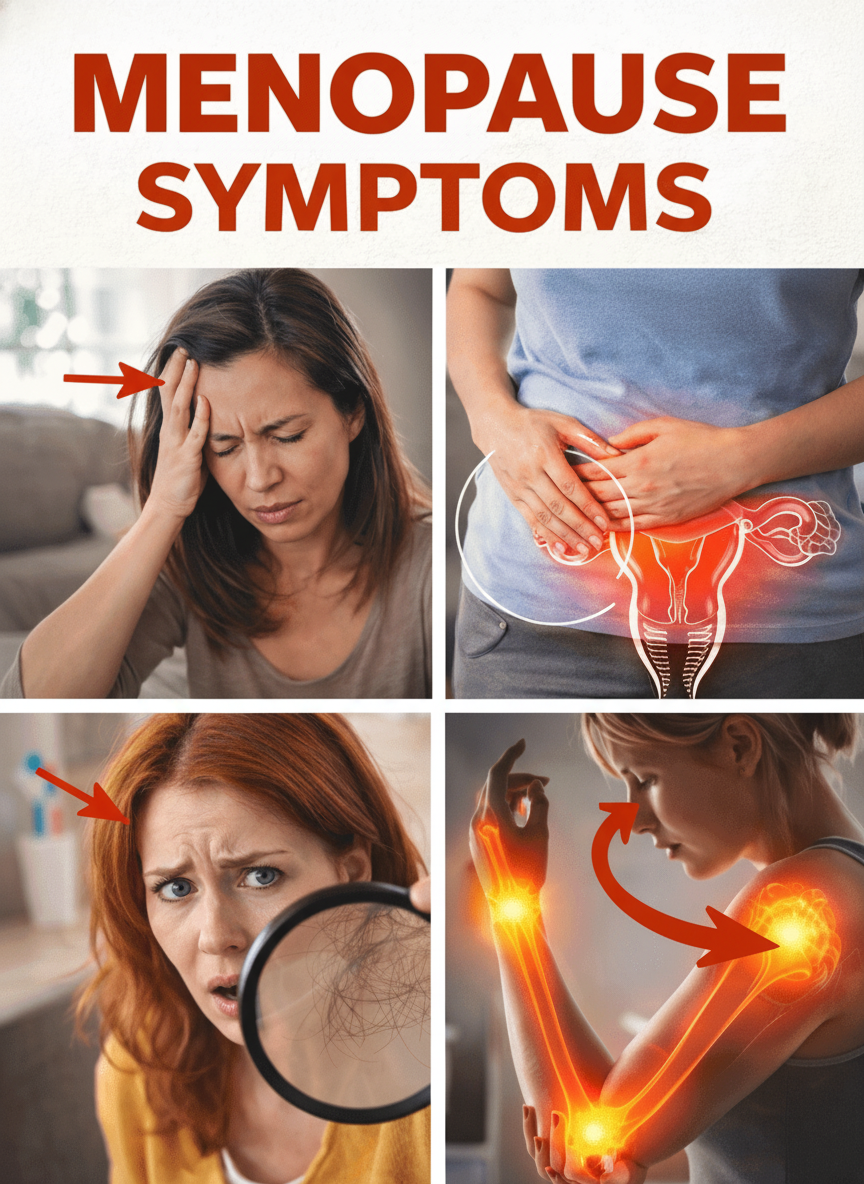
Are you noticing more strands on your brush or your skin feeling less supple, with lotions providing only temporary relief? Hormones play a significant role in collagen production and skin oil balance. These subtle changes in hair and skin texture can be indicators of hormonal shifts.
Your Next Steps: Listen to Your Body
While these signs are common indicators, they are not definitive diagnoses. If you’re experiencing several of these symptoms, especially before age 45, it’s crucial to consult a healthcare professional. Discussing your concerns with a doctor can help rule out other conditions, confirm a diagnosis, and explore management options to maintain your quality of life and long-term health. Don’t dismiss these signals; empower yourself with knowledge and professional guidance.