 By admin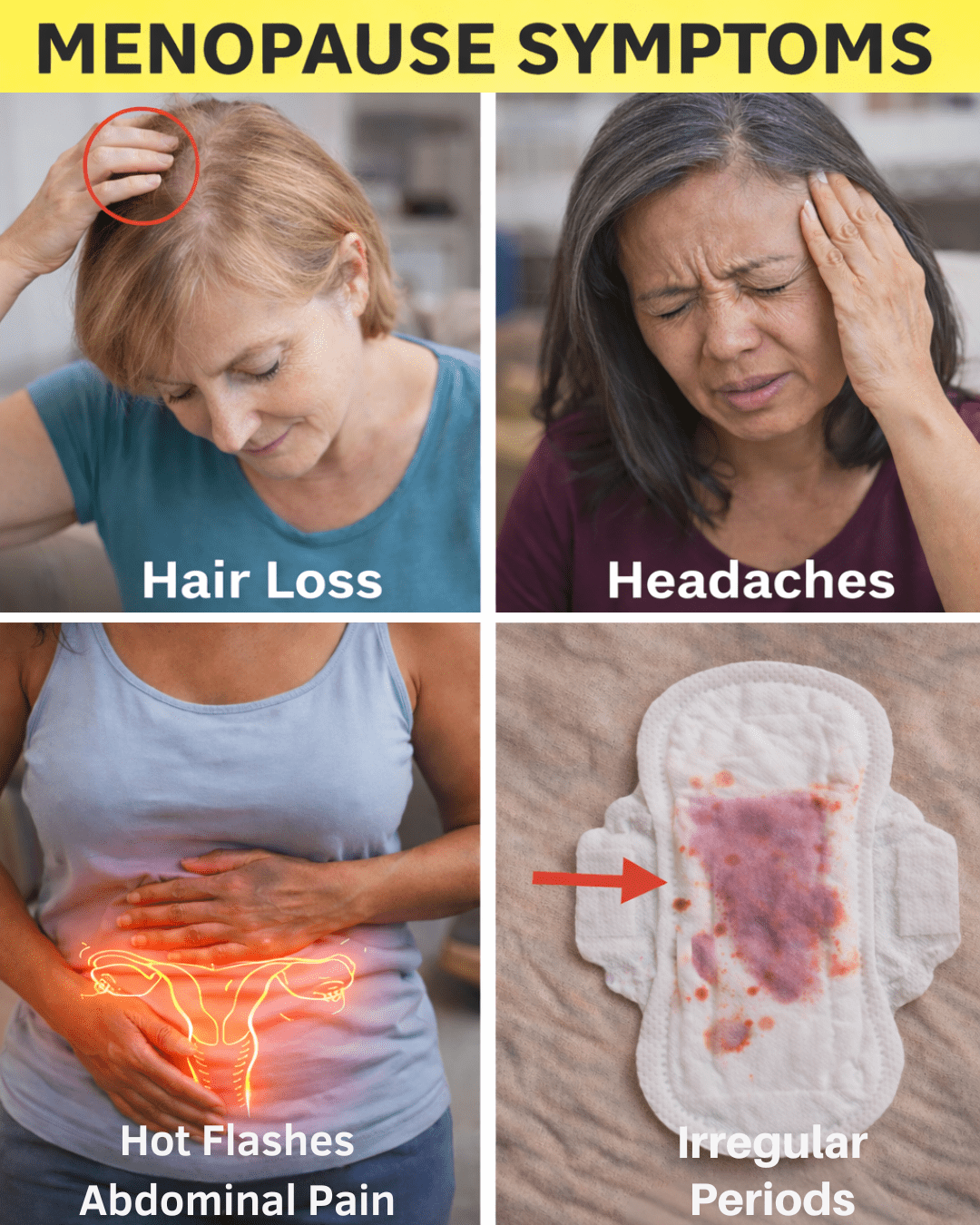
You wake up drenched in sweat at 3 a.m., heart racing for no reason, wondering if it’s just another stressful night. By morning, your mood feels fragile, your energy is gone before lunch, and your once-predictable periods now arrive late, early, or not at all. These changes can feel isolating and confusing, especially when you’re in your 30s or early 40s and everyone says “it’s probably just stress.” But dismissing them might mean missing an important signal from your body. The truth is, early menopause affects more women than you might think—and recognizing the signs early can open doors to better management of your long-term health.
But here’s what most women don’t hear soon enough: the first clues often hide in everyday changes you brush off as “normal life.” Keep reading to uncover the 12 key warning signs, why they happen, and the simple steps that can make a real difference.

What Early Menopause Really Means (And Why It’s Frequently Overlooked)
Natural menopause usually arrives around age 51, marking the end of menstrual cycles after 12 consecutive months without a period. Early menopause occurs before age 45, while premature ovarian insufficiency (POI)—sometimes called premature menopause—happens before age 40, where ovarian function declines significantly, though periods may still come and go intermittently.
Many women in their 30s and early 40s hear “you’re too young” from providers or loved ones. Symptoms get blamed on work pressure, parenting, or perimenopause “starting early.” Research shows, however, that estrogen decline in these younger years can quietly affect bone density, heart health, mood stability, and more over time.
The earlier these shifts are spotted, the more choices you may have—whether protecting bones and heart or exploring fertility options if that’s part of your plan.
Why Early Menopause Symptoms Are Showing Up More Often
Sometimes no clear trigger exists—it’s spontaneous. But known factors can play a role: family history (genetics), smoking, autoimmune conditions, certain cancer treatments like chemotherapy or radiation, pelvic surgery, or chromosome issues.
The tricky part? These early signs often blend into daily life. A busy career, new parenthood, or life transitions make it easy to explain away fatigue or mood dips. Yet when patterns persist and don’t match your circumstances, it’s time to listen.
And now, the part you’ve been waiting for: the 12 signs, presented in a countdown that builds awareness without overwhelming you.

The 12 Warning Signs of Early Menopause
Sign #12: Periods That Suddenly Become Unpredictable
Your cycle was reliable for years—then it starts varying wildly: 21 days one month, 45 the next, or skipped entirely. Fluctuating estrogen disrupts ovulation, leading to irregular bleeding.
One off month isn’t conclusive, but a continuing pattern deserves attention—especially as it often pairs with the next sign.
Sign #11: Hot Flashes or Night Sweats That Hit Out of Nowhere
A sudden wave of heat floods your face and chest, even in a cool room. Night sweats soak sheets and disrupt rest. These vasomotor symptoms stem from estrogen’s role in temperature control.
Women often attribute them to anxiety or a warm bedroom, but when they arrive unusually early, they signal hormonal change.
Sign #10: Sleep Problems That Resist Your Best Efforts
You follow every sleep hygiene tip—no caffeine late, dark room, consistent bedtime—yet you wake multiple times, feeling wired or overheated. Hormonal shifts alter sleep cycles and body temperature.
Poor sleep then fuels other issues like mood swings and fatigue, creating a cycle that’s hard to break alone.
Sign #9: Mood Changes, Irritability, or Anxiety That Feel Out of Character
You snap at small things, tear up unexpectedly, or feel on edge without a clear trigger. Estrogen influences brain chemicals like serotonin and stress responses.
This doesn’t mean your personality has changed forever—it’s chemistry shifting, and support can help restore balance.
Sign #8: Vaginal Dryness, Discomfort During Sex, or Reduced Libido
Intimacy becomes uncomfortable due to dryness, itching, or pain. Libido may drop noticeably. Lower estrogen thins vaginal tissues and reduces natural lubrication.
Many women hesitate to mention this, but it’s common, treatable, and often improves quality of life when addressed.

Sign #7: Persistent Fatigue That Doesn’t Match Your Routine
You’re getting decent sleep and eating well, yet exhaustion hits by midday. Hormonal changes affect energy regulation, recovery, and resilience.
Other conditions like thyroid imbalance or low iron can overlap, so testing helps clarify the picture.
Sign #6: New or Worsening Joint Pain, Muscle Aches, or Stiffness
Your body feels achy or stiff without obvious injury or overuse. Declining estrogen may contribute to inflammation and pain perception.
This can raise worries about arthritis, but tracking helps separate hormonal effects from other causes.
Sign #5: Brain Fog, Memory Lapses, or Trouble Finding Words
You forget why you entered a room, struggle mid-sentence, or reread simple texts. Sleep disruption and hormonal fluctuations impact focus and cognition.
Studies indicate many women see improvement with targeted support and lifestyle adjustments.
Sign #4: Noticeable Changes in Skin, Hair, or Overall Appearance
Skin feels drier, hair thins or loses shine, and you sense accelerated aging. Estrogen supports collagen production and tissue hydration.
These visible shifts can affect self-confidence at a time when self-care matters most.
Sign #3: Concerns About Bone Health or Low Bone Density Risk
You can’t feel bones weakening, but early estrogen loss speeds bone turnover, raising future osteoporosis risk. Prevention through diet, exercise, and monitoring becomes key.

Sign #2: Heart Palpitations or Unusual Cardiovascular Sensations
Your heart flutters, pounds, or races unexpectedly. While stress, caffeine, or anemia can contribute, hormonal changes play a role too.
New or concerning symptoms warrant prompt medical attention to rule out serious issues.
Sign #1: Challenges with Fertility or Conceiving
Trying to conceive takes longer than expected, or cycles suggest lower ovarian reserve. This often becomes the clearest indicator for women planning families.
Early awareness allows time to explore options and adjust plans.
Red Flags That Call for Quicker Action
Here are symptoms that deserve prompt evaluation:
- No period for 3+ months (when not pregnant)
- Severe hot flashes/night sweats disrupting daily life
- New heart palpitations, dizziness, or chest discomfort
- Painful sex, post-sex bleeding, or frequent urinary issues
- Intense mood changes affecting work, relationships, or safety
Questions to Ask Your Doctor (Copy These Notes)
Bring these to your appointment for clarity:
- Could this indicate early menopause or POI?
- Which tests are appropriate (FSH, estradiol, AMH, thyroid, etc.)?
- How can we support bone and heart health if estrogen is low?
- What fertility steps make sense for my goals?
Practical Next Steps: Your Calm Action Plan
- Track symptoms for 4–8 weeks: Log cycle dates, hot flashes, sleep, mood, and other changes in a simple app or notebook.
- Schedule a visit with a trusted OB-GYN, primary care doctor, or specialist.
- Request relevant tests to check hormones and rule out mimics like thyroid issues or anemia.
- Discuss management —options may include lifestyle support, symptom relief, or hormone therapy when suitable.
- Build protective habits —weight-bearing exercise, calcium/vitamin D-rich foods, stress tools, and regular check-ups.
Quick Comparison: Common Assumptions vs. Reality
| Sign You Notice | What People Often Assume | Why It Matters |
|---|---|---|
| Irregular periods | “Just stress” | Earliest and most consistent clue |
| Night sweats/poor sleep | “Overwork or anxiety” | Amplifies mood, focus, and fatigue |
| Mood swings | “Life phase or personality” | Tied to brain chemistry changes |
| Vaginal dryness | “Normal aging” | Highly treatable with proper care |
| Brain fog | “I’m just tired” | Often eases with evaluation and support |
Frequently Asked Questions (FAQ)
What’s the difference between early menopause and premature ovarian insufficiency?
Early menopause typically means periods stop before age 45, while POI (before 40) involves significant ovarian decline, often with occasional periods.
Can lifestyle changes reverse early menopause?
No, but healthy habits like quitting smoking, balanced nutrition, exercise, and stress management can ease symptoms and support overall well-being.
Is hormone therapy safe for women with early menopause?
Many experts consider it beneficial for symptom relief and long-term bone/heart protection in appropriate cases—discuss risks and benefits with your doctor.
Your body isn’t failing you—it’s sending clear messages that deserve attention and care. Start small today: jot down one symptom or book that overdue appointment. Sharing this article with a friend who mentions similar changes could give her the nudge she needs.
This article is for informational purposes only and is not a substitute for professional medical advice. Always consult a qualified healthcare provider for personalized diagnosis and treatment.
(Word count: ~1350)