 By admin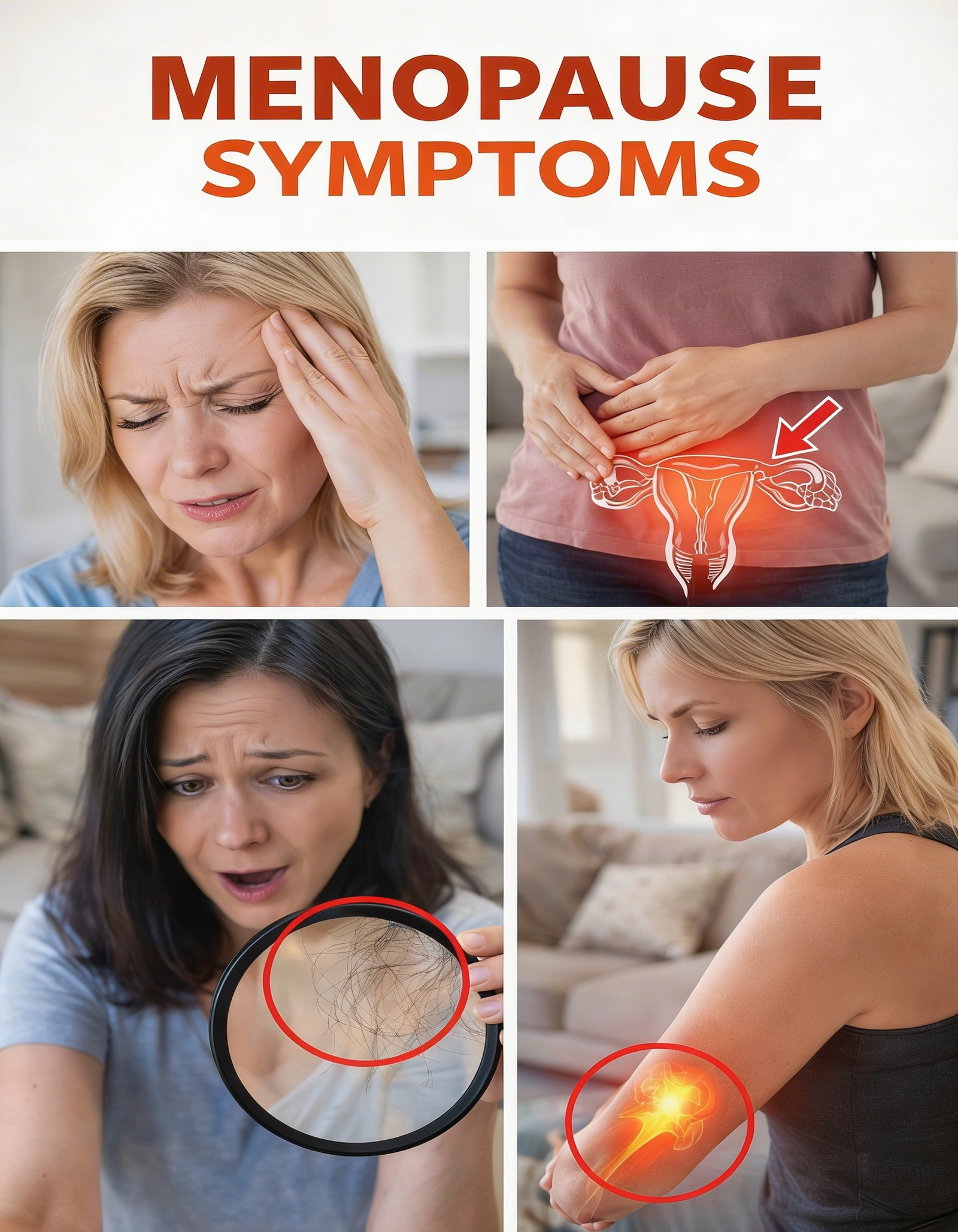
You wake up drenched in sweat again, your periods have become unpredictable, and lately, you’ve been feeling more tired and irritable than ever before—even though you’re only in your early 40s. These changes can feel confusing and scary, especially when they disrupt your daily life, relationships, and sense of well-being. Early menopause, which happens before age 45, affects about 5% of women and brings hormonal shifts that can mimic other health issues. But recognizing the signs early can make a big difference in how you manage them and protect your long-term health. In this article, you’ll discover the top 10 signs to watch for, plus practical steps to feel more in control—and stick around until the end for one surprising lifestyle tweak that many women find helps ease multiple symptoms at once.

What Is Early Menopause, and Why Does It Matter?
Early menopause occurs when your periods stop (or become very irregular) before age 45, often due to declining estrogen levels. Premature menopause is even earlier, before 40, sometimes called primary ovarian insufficiency. Research from sources like the Cleveland Clinic shows this can stem from genetics, autoimmune conditions, medical treatments like chemotherapy, or unknown factors in many cases.
The key concern? Estrogen plays a protective role for heart health and bone density. When levels drop sooner, studies indicate a higher risk for issues like osteoporosis or cardiovascular concerns later in life. But the good news is awareness leads to better management—through lifestyle adjustments and professional guidance.

The Top 10 Signs of Early Menopause
Here are the most common signs, based on reliable health sources such as Mayo Clinic, NHS, and Cleveland Clinic. These often overlap with perimenopause but appear earlier.
- Irregular Periods
Your cycles may shorten, lengthen, skip, or change in flow—heavier one month, lighter the next. This is often the first clue as ovulation becomes unpredictable. - Hot Flashes
Sudden waves of heat rising from your chest to your face, sometimes with sweating or chills. Up to 75% of women experience these vasomotor symptoms. - Night Sweats
Intense hot flashes at night that soak your pajamas and sheets, leaving you exhausted the next day. Sleep disruption is a major complaint.
But that’s not all—emotional and physical changes often pile on…
- Mood Swings and Irritability
Feeling like an emotional rollercoaster: snapping over small things, sudden tears, anxiety, or low mood. Hormonal shifts affect brain chemistry. - Vaginal Dryness and Discomfort
Reduced natural lubrication can cause irritation, especially during intimacy. Estrogen helps keep tissues supple; lower levels lead to thinning. - Sleep Disturbances
Trouble falling asleep, staying asleep, or racing thoughts—even without night sweats. Poor sleep worsens daytime fatigue. - Persistent Fatigue
Bone-deep tiredness that coffee doesn’t fix, often from metabolic and hormonal changes affecting energy levels. - Brain Fog or Memory Lapses
Forgetting words mid-sentence, misplacing items, or feeling mentally fuzzy. Estrogen supports cognitive function, so dips can feel frustrating. - Hair Thinning or Dry Skin
More strands in the brush or skin that feels less hydrated despite moisturizing. Hormones influence collagen and oil production. - Decreased Fertility
Conception becomes harder as ovarian reserve diminishes. This can be a quiet but significant sign if you’re trying to conceive.

More Signs That Often Get Overlooked
Beyond the top 10, some women notice:
- Joint pain or aches
- Unexplained weight changes (especially around the midsection)
- Urinary issues like more frequent urges or leaks
- Reduced libido
These vary widely—some women have many symptoms, others few. Tracking them in a journal helps spot patterns.
Causes and Risk Factors: What Might Be Behind It?
While the exact cause isn’t always clear, common factors include:
- Family history of early menopause
- Autoimmune conditions
- Smoking (linked to earlier onset)
- Cancer treatments (chemotherapy or radiation)
- Surgical removal of ovaries
Research shows in many cases (up to 90% for premature cases), no single trigger is identified.

Actionable Tips: Steps You Can Take Today
Managing symptoms starts with small, consistent changes. Here’s a step-by-step guide:
- Track Your Symptoms
Use a simple app or notebook to log periods, hot flashes, mood, and sleep for 2-3 months. This data empowers discussions with your doctor. - Prioritize Sleep Hygiene
Keep a cool bedroom, avoid screens before bed, and try relaxation techniques like deep breathing. Better sleep reduces many symptoms. - Incorporate Movement
Aim for 30 minutes of moderate activity most days—walking, yoga, or swimming. Studies show exercise supports mood, bone health, and weight management. - Focus on Nutrition
Eat calcium-rich foods (leafy greens, dairy or fortified alternatives) and vitamin D sources. A balanced diet with whole foods helps stabilize energy. - Manage Stress
Practices like mindfulness or short daily meditation can ease mood swings. Stress worsens hot flashes for many. - Consider Layered Clothing
For hot flashes and night sweats, dress in breathable fabrics and use moisture-wicking sheets.
Here’s a quick comparison of lifestyle tweaks and their benefits:
- Diet rich in phytoestrogens (soy, flaxseeds): May mildly support hormone balance
- Regular strength training: Builds bone density
- Limiting caffeine/alcohol: Reduces trigger for flashes and sleep issues
- Staying hydrated: Helps with dryness and energy
The most interesting part? Many women find that combining these habits creates a compounding effect—better sleep leads to less fatigue, which improves mood, and so on.
When to See a Doctor
If symptoms interfere with life or you’re under 45 with irregular/no periods, consult a healthcare provider. They may check hormone levels (like FSH) or rule out other causes. Early discussion opens options for symptom relief, like lifestyle advice or, if appropriate, hormone therapy under medical supervision.
Conclusion: You’re Not Alone—And You Have Options
Early menopause can feel overwhelming, but knowing the signs puts you in the driver’s seat. From irregular periods to brain fog, these changes are real and manageable with awareness and support. Many women thrive by making proactive adjustments and seeking guidance early.
FAQ
What is the difference between early and premature menopause?
Early menopause happens between ages 40-45; premature is before 40. Both involve similar symptoms but carry higher long-term risks due to longer time without estrogen’s benefits.
Can early menopause be reversed?
No, once menopause occurs, periods don’t return naturally. However, symptoms can often be eased through lifestyle changes and medical support.
Does early menopause affect fertility permanently?
Yes, it typically reduces fertility significantly. If pregnancy is a goal, consult a specialist promptly for options like fertility preservation.
Disclaimer: This article is for informational purposes only and not a substitute for professional medical advice. Always consult a qualified healthcare provider for personalized guidance regarding your symptoms or health concerns.