 By admin
 Early Detection is Key: 14 Subtle Cancer Signs Women Should Never Ignore
In the hustle of daily life, it’s easy to attribute minor physical changes to stress, the natural aging process, or fluctuating hormones. Many women tend to dismiss subtle bodily signals, often perceiving them as benign or transient. However, these quiet shifts can sometimes be your body’s critical call for attention. This article will guide you through 14 often-overlooked yet significant indicators, empowering you with the knowledge to recognize them sooner and take proactive steps for your health.
Why Small Body Changes Demand Your Attention
Our bodies are sophisticated communicators, constantly sending signals through various channels like skin, nails, digestive patterns, and energy levels. While most of these cues are benign, some may point to underlying health concerns that warrant closer examination. Leading health organizations, including the American Cancer Society and the World Health Organization, consistently emphasize the profound impact of early detection in managing serious conditions. Cultivating body awareness isn’t about fostering anxiety; it’s about empowering yourself with knowledge. Remarkably, many potential warning signs are visually apparent or easily noticeable long before a medical consultation is typically considered. Let’s delve into these subtle, yet crucial, indicators that women frequently miss.
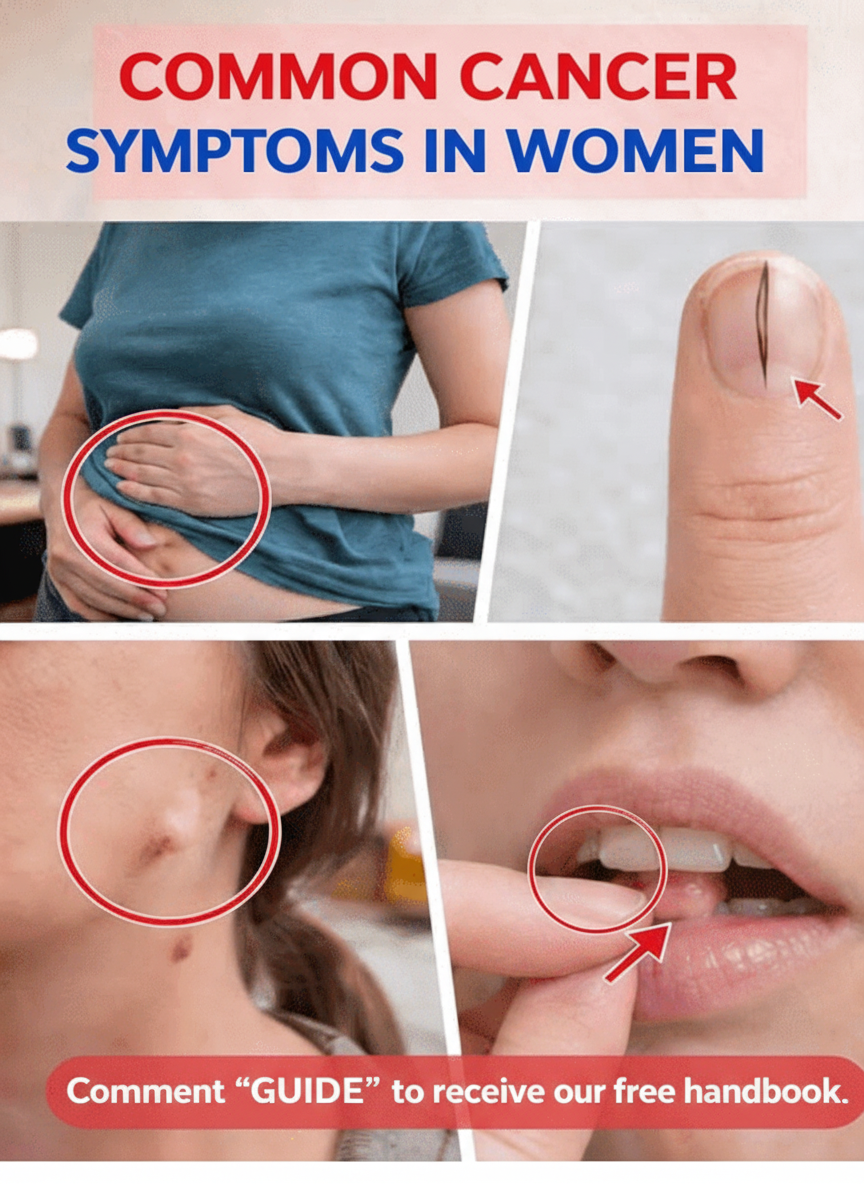
1. Persistent or Unusual Bloating
While occasional bloating is a normal occurrence, especially after meals, pay close attention if you experience abdominal distension that:
- Occurs nearly every day
- Feels distinctively different from your usual digestive patterns
- Is accompanied by pelvic discomfort or pressure
If such bloating persists for several weeks, rather than resolving within a few hours, it’s advisable to consult with a healthcare professional.
2. Unexpected Nail Alterations
Your fingernails and toenails can offer surprising insights into your overall health. For instance, the sudden appearance of a dark vertical stripe or a noticeable change in nail color without any prior injury should prompt investigation. Other potential indicators include:
- New, unexplained dark streaks under the nail
- Nails detaching or lifting from the nail bed
- Unusual thickening, brittleness, or discoloration
While many nail changes are benign, any persistent or concerning alterations warrant a medical evaluation.
3. New Lumps or Skin Thickening
Although the majority of new lumps are non-cancerous, it’s crucial to closely monitor any new growth or area of thickening that:
- Increases in size
- Feels unusually firm or distinct from surrounding tissue
- Persists for more than a few weeks
Common locations for such changes include breast tissue, the neck, underarms, and the groin area. Performing regular self-examinations helps you become familiar with your body’s normal texture and identify any new developments promptly.
4. Mouth Sores That Won’t Heal
Minor mouth ulcers can often develop due to stress or irritation. However, if you notice a sore in your mouth that:
- Persists for more than two to three weeks
- Bleeds with unusual ease
- Develops an uncharacteristic thickness
This warrants a professional assessment. Dentists and oral hygienists are often the first to spot these types of changes during routine check-ups.
5. Unintentional Weight Loss
Body weight naturally fluctuates, but significant weight loss (typically 10 pounds or more) without any intentional changes to your diet, exercise routine, or lifestyle could be a subtle red flag. This might suggest that your body is metabolizing energy differently. While not always indicative of a serious problem, it’s a change that merits discussion with a doctor.
6. Alterations in Moles or Skin Spots (ABCDEs)
Skin changes are among the most observable indicators your body can present. Dermatologists strongly advise monitoring existing moles and new spots using the ABCDE rule:
- A – Asymmetry: One half of the mole doesn’t match the other.
- B – Border Irregularity: The edges are ragged, notched, or blurred.
- C – Color Variation: The color is uneven, with shades of black, brown, and tan, or patches of pink, red, white, or blue.
- D – Diameter: The spot is larger than 6 millimeters (about the size of a pencil eraser).
- E – Evolving: The mole is changing in size, shape, color, or elevation, or any new symptoms like bleeding, itching, or crusting appear.
Regular self-skin examinations are crucial for early detection of potentially concerning changes.
7. Persistent, Unrelenting Fatigue
Feeling tired after a demanding week is perfectly normal. However, if you experience fatigue that:
- Lingers for several weeks or months
- Significantly impairs your daily activities and energy levels
- Doesn’t improve adequately with sufficient rest or sleep
This type of profound exhaustion could be a sign that your body is struggling and requires medical evaluation.
8. Chronic Difficulty Swallowing (Dysphagia)
Temporary discomfort while swallowing can occur with a sore throat or infection. Yet, if you experience persistent difficulty swallowing, or a sensation that food is consistently getting stuck in your throat or chest, it’s a symptom that demands medical attention. This should be discussed with a doctor, particularly if it persists for several weeks.
9. Noticeable Changes in Bowel or Bladder Habits
Individual digestive and urinary habits naturally vary. However, sudden and prolonged alterations in these patterns could indicate an internal shift. Be vigilant for:
- Persistent constipation or diarrhea that lasts for several weeks
- Any presence of blood in your stool or urine
- Stools that consistently appear unusually narrow
- Increased frequency or urgency of urination, especially at night
While these symptoms can stem from various conditions, persistent changes warrant a thorough medical examination.
10. Lingering Cough or Hoarseness
A cough following a cold or flu typically resolves within two to three weeks. However, if you experience a persistent cough or hoarseness that lasts for more than three weeks, it is strongly recommended to consult a healthcare professional. This prolonged symptom could be a subtle indicator of various conditions, some of which may be serious.
11. Frequent or Unexplained Bruising
It’s normal to get bruises after minor bumps or injuries. However, if you notice bruises appearing frequently without any clear cause, or if they are unusually large or painful, it could signal an underlying health issue. This might indicate problems with blood clotting, blood vessel fragility, or, in rare cases, more serious conditions.
12. Unusual Vaginal Bleeding or Discharge
Any vaginal bleeding outside of your regular menstrual cycle, such as post-menopausal bleeding, bleeding after intercourse, or unusually heavy periods, should be investigated. Similarly, persistent or foul-smelling vaginal discharge that differs from your norm warrants medical attention. These symptoms, though often benign, can sometimes be subtle indicators of gynecological cancers.
13. Persistent Indigestion or Difficulty Eating
Occasional indigestion or heartburn is common, but if you experience persistent indigestion that doesn’t respond to usual remedies, or if you feel full quickly after eating only a small amount, it’s worth noting. Difficulty keeping food down, unexplained nausea, or discomfort in the upper abdomen that lasts for weeks should prompt a doctor’s visit. These can be subtle signs related to the digestive system.
14. Swollen Lymph Nodes or Glands
Lymph nodes, small bean-shaped glands, are part of your immune system. They can swell during infections, but if you notice persistently swollen lymph nodes in your neck, armpit, or groin that last for several weeks, feel hard, or are painless, it’s important to have them checked by a doctor. While often benign, persistent swelling can sometimes be a subtle sign of underlying conditions, including certain cancers.
Empower Yourself Through Body Awareness
The human body is incredibly resilient, yet it also provides subtle cues when something is amiss. Recognizing these 14 potential signs isn’t about fostering undue alarm, but rather about cultivating a deeper connection with your own health. Many of these symptoms, when addressed early, can lead to more effective treatment outcomes and improved prognoses.
Your proactive role in health management is invaluable. Pay attention to persistent changes, listen to your instincts, and don’t hesitate to seek professional medical advice if any of these subtle signs concern you. Early detection truly is a cornerstone of successful health outcomes, giving you the best chance to live a healthy, full life. Remember, your body is talking – are you listening?