 By admin
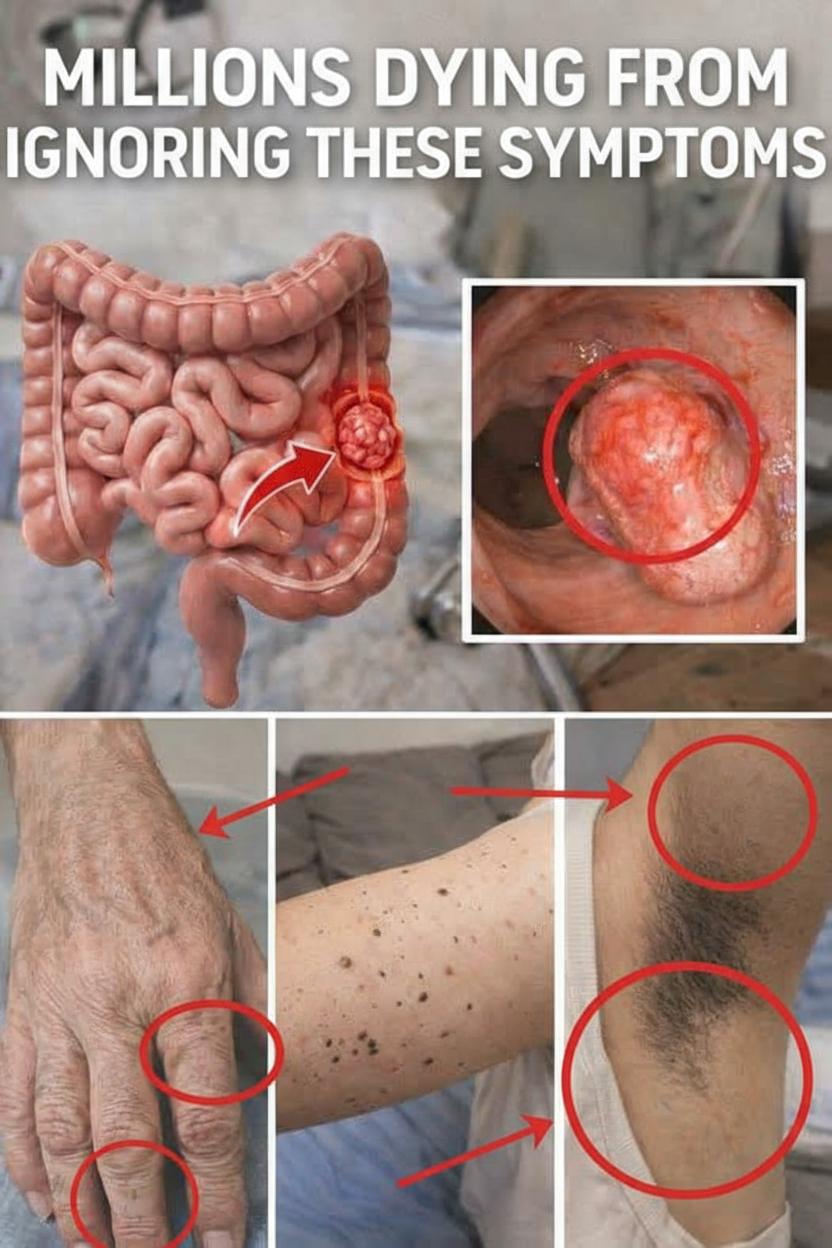
 Colorectal cancer, commonly known as colon cancer, is remarkably preventable when detected early. Yet, its prevalence is disturbingly increasing among younger adults (those under 50), and it remains the second leading cause of cancer-related deaths worldwide. The most perilous aspect of this disease is its subtle onset: many of its initial indicators are mild, vague, and often brushed aside as “normal” digestive issues, stress-related problems, dietary reactions, hemorrhoids, or simply a part of aging. Unfortunately, by the time more unmistakable symptoms emerge—like intense pain, substantial blood in the stool, or dramatic weight loss—the cancer has frequently progressed.
Understanding and recognizing these subtle early to mid-stage warning signs can genuinely save your life. Based on established guidelines from leading health organizations (such as the American Cancer Society, CDC, WHO, and Mayo Clinic) and extensive patient data, here are 10 of the most commonly ignored symptoms of colon cancer:
1. Persistent Changes in Bowel Habits
Noticeable alterations in how your bowels function that last for more than a few weeks should raise a red flag. This can manifest as:
- New or worsening constipation that doesn’t resolve.
- Frequent or alternating bouts of diarrhea.
- Stools that appear noticeably narrower or thinner than usual (often described as pencil-thin).
- A persistent sensation that your bowels have not completely emptied after a movement.
Why often ignored: Many dismiss these changes as “just irritable bowel syndrome (IBS),” a reaction to a “changed diet,” or due to “recent travel.”
2. Blood in or on the Stool, Even in Small Amounts
Any sign of blood in your stool or on the toilet paper should prompt investigation, regardless of how minor it seems:
- Bright red blood visible on toilet paper or in the toilet bowl, often indicating an issue in the lower colon or rectum.
- Dark, tarry, or black stools, which can signal bleeding higher up in the colon.
- Even tiny streaks or spots of blood.
Why often ignored: Frequently attributed to “hemorrhoids,” considered a “one-time occurrence,” or mistakenly linked to “eating beets.”
3. Ongoing Abdominal Discomfort or Cramping
If you experience persistent cramps, gas pain, or bloating that doesn’t subside or repeatedly returns, pay attention:
- Pain that feels distinct from your usual indigestion or upset stomach.
- Discomfort that lingers or recurs without a clear explanation.
Why often ignored: Commonly put down to “gas,” “eating something bad,” or “stress.”
4. Unexplained Weight Loss
Losing a significant amount of weight without actively trying through diet or exercise changes is a concerning symptom. This typically means losing 5–10% or more of your body weight over a 6–12 month period.
Why often ignored: People often rationalize this as “finally eating healthier” or “being more active lately.”
5. Persistent Fatigue or Weakness
Feeling unusually tired or weak, even after adequate sleep, can be a subtle sign. This often stems from chronic, slow blood loss within the colon, leading to iron-deficiency anemia.
Why often ignored: Frequently dismissed as “just getting older,” a consequence of a “busy life,” or “poor sleep quality.”
6. Iron-Deficiency Anemia (Especially in Men or Postmenopausal Women)
A diagnosis of low hemoglobin or iron levels without an obvious cause is particularly significant. For men and postmenopausal women, heavy menstrual periods cannot explain this condition.
Why often ignored: Often attributed to “dietary deficiencies” or considered “normal for my age.”
7. Feeling Full Quickly or Loss of Appetite
If you find yourself feeling full after consuming only small amounts of food, or if you’ve lost your general interest in eating, it warrants attention.
Why often ignored: Commonly blamed on “stress” or simply “not feeling hungry lately.”
8. Rectal Pain or Pressure That Doesn’t Go Away
A persistent ache, pressure, or pain specifically in the rectum or lower pelvic area, especially if it’s not relieved by bowel movements, could be a warning sign.
Why often ignored: Often attributed to “sitting too much” or a “muscle strain.”
9. Consistently Narrow or Ribbon-Like Stools
Regularly passing stools that are consistently thinner than a pencil can indicate a problem. This symptom is often caused by a tumor partially obstructing or narrowing the passage within the colon.
Why often ignored: Easily dismissed as “normal variation” or a “change in diet.”
10. Night Sweats or Low-Grade Fever Without Infection
Experiencing drenching night sweats or an unexplained low-grade fever that comes and goes, without any other signs of infection, can be a symptom of underlying issues, including cancer.
Why often ignored: Frequently attributed to “hormonal changes,” “hot flashes,” or simply a “room being too warm.”
Quick Urgency Guide – When to Act
Understanding the severity of symptoms can help you decide when to seek medical attention:
Emergency (Seek ER or Doctor Same Day)
- Heavy rectal bleeding that soaks through clothing or a pad.
- Sudden, severe abdominal pain accompanied by vomiting or fever.
- Inability to pass stool or gas, coupled with severe bloating (possible bowel obstruction).
Urgent (Consult Doctor Within Days)
- Any blood in the stool (even streaks) combined with a noticeable change in bowel habits.
- Unexplained weight loss paired with persistent fatigue and any other listed symptom.
- Persistent bloating and feeling full quickly after consuming small meals.
Prompt (Schedule Appointment Within 1–2 Weeks)
- New or worsening bowel changes lasting more than 3–4 weeks.
- Iron-deficiency anemia with no clear, identifiable cause.
Routine Screening (Don’t Wait for Symptoms)
Current guidelines (as of 2025) recommend starting colorectal cancer screening at age 45 for individuals with average risk. Screening should begin earlier if there’s a family history of colon cancer or if you experience any concerning symptoms. Available screening options include:
- An annual Fecal Immunochemical Test (FIT) stool test.
- Cologuard testing every 3 years.
- A colonoscopy every 10 years.
The Bottom Line
Colon cancer rarely announces itself with dramatic pain or massive bleeding in its early stages. These 10 signs represent some of the most consistent early warnings reported by patients later diagnosed with the disease—and they almost never appear all at once. When two or three or more of these symptoms persist for over 3–4 weeks (especially a combination of blood in the stool, changes in bowel habits, and fatigue), they are almost certainly never “just IBS” or “hemorrhoids.” You are the expert on your own body. Trust persistent changes—a simple stool test (FIT) or a colonoscopy can detect problems very early, when treatment is most effective and often curative.
Action Step
The next time you use the bathroom, take a moment to observe any blood or unusual changes in your stool. Make a mental note of any persistent symptoms from this list. If even 2–3 of these feel familiar and do not resolve, do not delay—schedule a doctor’s visit or request a FIT test this month.
Disclaimer
This article is intended for informational purposes only and does not constitute medical advice. Always consult with a qualified healthcare professional for diagnosis and treatment of any medical condition.