 By admin
 That distinctive, often wiry hair emerging from your ears – especially as the years progress – can feel like just another peculiar facet of getting older. You might catch a glimpse in the mirror, spot a few persistent strands, and instinctively reach for a trimmer without a second thought. For most individuals, it’s merely a minor grooming inconvenience, much like the appearance of gray hairs or the need for reading glasses. But could this frequently overlooked characteristic actually hint at something more profound about your overall health?
Medical professionals acknowledge that while ear hair is generally benign, certain patterns or rapid changes might warrant a closer examination of your well-being. Here’s the reassuring truth: in the vast majority of cases, the presence of ear hair is completely normal. Nevertheless, understanding the underlying reasons for its appearance – and recognizing when it might deserve medical attention – can offer peace of mind and empower you to be proactive about your preventive healthcare. Let’s delve into what medical experts truly advise, distinguishing between everyday aging and potential signals worth noting.
Why Ear Hair Tends to Grow More Prominent with Age
As individuals, particularly men, (and occasionally women) advance into their 50s and beyond, significant hormonal shifts play a pivotal role in influencing hair growth patterns. While testosterone levels naturally decline over time, the delicate balance of estrogen to testosterone can alter in ways that make hair follicles in specific areas – such as the ears, nose, and eyebrows – increasingly sensitive to androgens (male hormones). This heightened sensitivity causes existing fine, almost invisible hairs (vellus hairs) to gradually transform, becoming coarser, darker, and notably longer.
Genetic predisposition is also a major contributing factor. If your father or grandfather exhibited noticeable ear hair, there’s a higher probability you will experience a similar trait. Research indicates that hair follicles in these particular regions become progressively more reactive to hormonal influences with age, leading to this classic characteristic often associated with older men. Furthermore, natural aging processes facilitate the replacement of these finer vellus hairs with terminal hairs (thicker, pigmented ones) in the outer ear and ear canal.
For most men over the age of 50, a moderate amount of ear hair is considered both typical and expected.
- Normal signs: A gradual increase in hair growth either inside the ear canal or on the outer ear (pinna).
- Protective role: These hairs serve a functional purpose, helping to trap dust, small debris, and even insects, thereby acting as a natural protective barrier for your delicate ear canal.
Doctors consistently emphasize that this physiological change is benign for the overwhelming majority of people and is not, by itself, a cause for concern.
When Ear Hair Might Merit a Conversation with Your Doctor
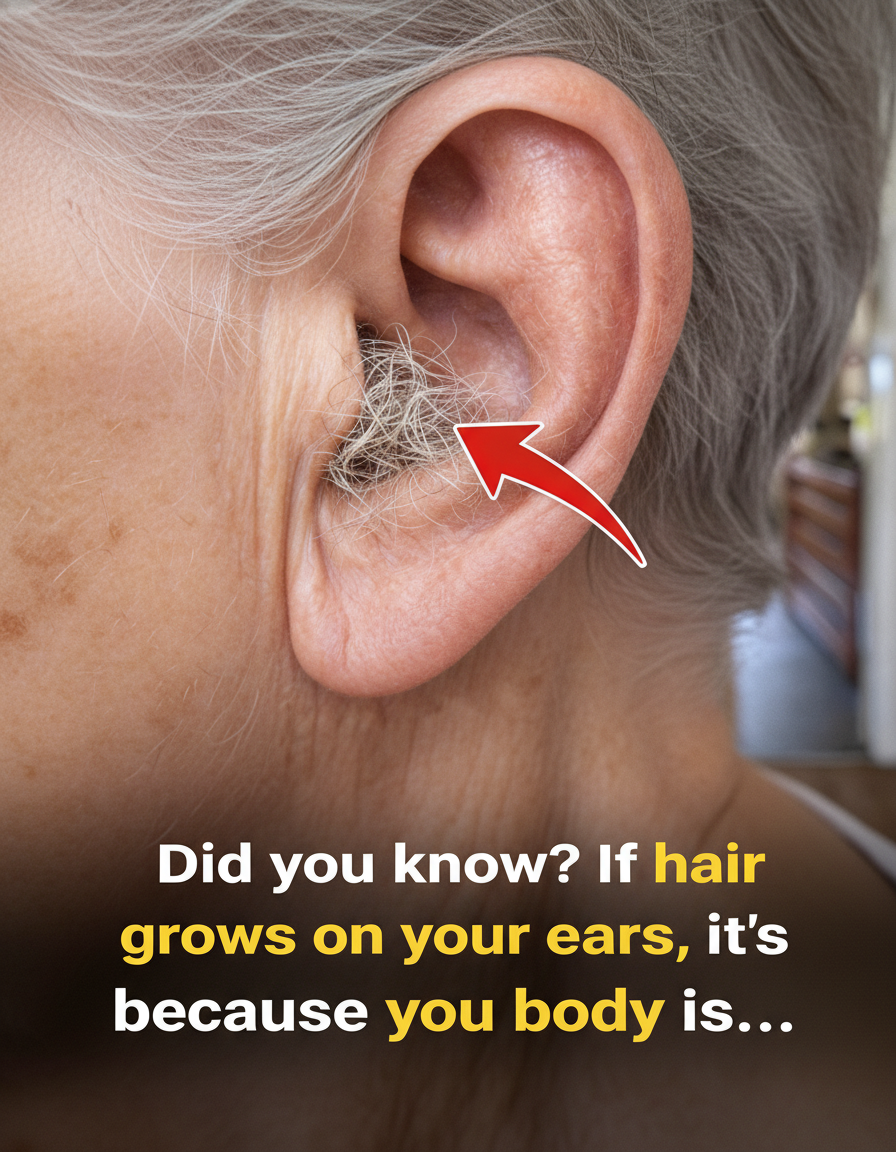
While the presence of hair inside the ear canal is almost universally considered a harmless feature of aging, certain types of hair growth on the outer ear or earlobe have garnered interest within the medical community. A crucial distinction must be made here: hair growing inside the ear canal is different from hair appearing on the outer ear or earlobe.
Studies have investigated potential correlations between visible earlobe hair (or related indicators like a diagonal earlobe crease, often referred to as Frank’s sign) and specific health risks. However, the findings from these studies remain mixed and are not definitively conclusive. For instance, some earlier research from the 1980s and 1990s proposed a possible link between prominent ear canal hair, especially when combined with earlobe creases, and an elevated risk of coronary artery disease in particular demographic groups.
More recent systematic reviews reveal inconsistent outcomes – some studies suggest a modest association with cardiovascular risk factors such as age, obesity, or hypertension, while others find no strong independent connection, particularly once common risk factors like diabetes or smoking are taken into account. On the metabolic front, a limited number of studies have observed correlations between certain earlobe characteristics and markers for insulin resistance or prediabetes, although these often focus more on earlobe creases rather than the hair itself.
In rare instances, excessive or sudden hair growth, particularly if it appears rapidly or in unusual patterns, can occasionally be linked to broader hormonal imbalances. These might include conditions affecting the adrenal glands or, in women, hirsutism resulting from Polycystic Ovary Syndrome (PCOS). Extremely rare genetic traits, such as hypertrichosis pinnae auris (characterized by dense hair growth on the helix of the outer ear), are observed in some families – notably in parts of India and Sri Lanka – but these are typically harmless and not associated with underlying disease.
The essential takeaway from medical professionals: Isolated ear hair, on its own, is not a reliable indicator of serious health issues. However, if you notice sudden, significant changes in ear hair growth, especially when paired with other unexplained shifts in your body – such as sudden weight gain or loss, persistent fatigue, increased thirst, or unusual hair growth elsewhere – seeking professional medical advice for reassurance and proper evaluation is highly recommended.
Practical Tips for Managing Ear Hair Safely
If the appearance of ear hair causes you cosmetic concern or feels uncomfortably excessive, safe and effective removal methods can help maintain comfort without posing health risks. Here’s a straightforward, doctor-approved routine for managing ear hair:
- Use the appropriate tools: Always opt for specialized tools designed for ear and nose hair. These include rounded-tip safety scissors or a battery-powered trimmer specifically engineered for these sensitive areas.
- Trim with care: Perform trimming in a well-lit environment. Focus only on cutting visible hairs. It is crucial to never insert any tool deeply into the ear canal, as this can cause injury or push debris further in.
- Avoid risky methods: Refrain from plucking ear hairs. Plucking can be painful, lead to skin irritation, and potentially result in ingrown hairs or even infection within the delicate ear canal. Waxing is also not recommended for the inner ear due to the risk of damage.