 By admin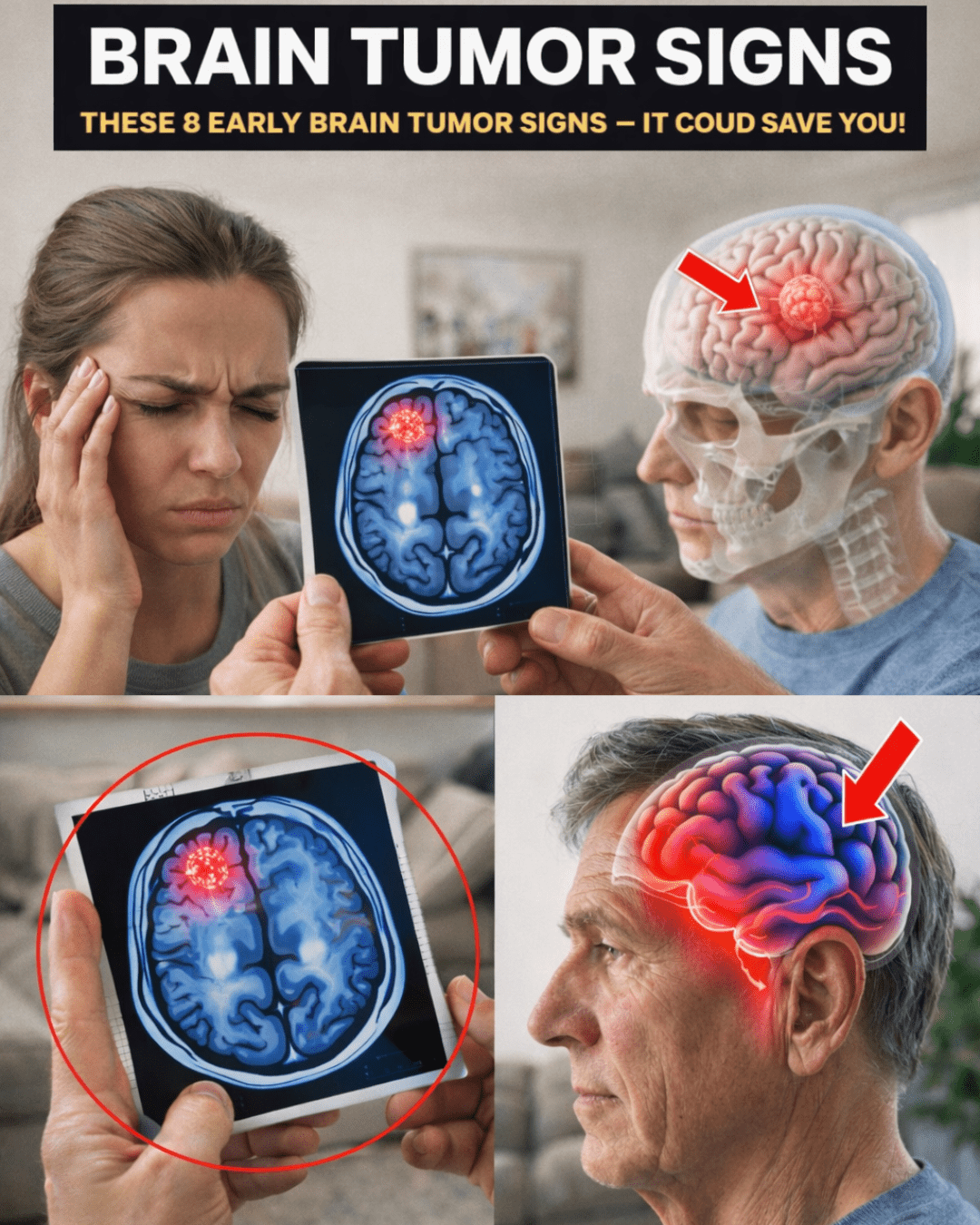
Imagine waking up every day with a headache that feels heavier than before, brushing it off as stress or lack of sleep, only to realize weeks later that something more serious was brewing inside your head. Many people experience subtle changes in their body or mind that they dismiss as normal aging, fatigue, or everyday worries—changes that, if ignored, can allow a serious condition like a brain tumor to progress quietly. Studies from reputable sources such as the Mayo Clinic and the American Cancer Society show that early detection often leads to better management options, yet these warning signs are frequently overlooked until they become impossible to ignore. The good news? Recognizing them sooner can prompt timely medical attention from a healthcare professional. In this article, you’ll discover the 8 key early signs that experts urge people not to ignore—but there’s one surprising sign that often gets missed completely, and it might be the clue you’ve been overlooking in your own life…

Understanding Brain Tumors: Why Early Signs Matter
Brain tumors are abnormal growths of cells in or around the brain. They can be benign (non-cancerous) or malignant (cancerous), and their impact depends on size, location, and growth rate. Research indicates that symptoms often stem from increased pressure inside the skull or disruption of normal brain function.
The tricky part is that early symptoms can mimic common issues like migraines, sinus problems, or even anxiety. That’s why awareness is crucial—catching changes early allows doctors to investigate with imaging or other tests.
But here’s the reality: many people wait too long because the signs feel “not that bad” at first. Let’s change that by looking closely at the most common early indicators.
1. Persistent or Unusual Headaches
Headaches are the most frequently reported symptom in people diagnosed with brain tumors, affecting about half of cases according to Mayo Clinic data.
These aren’t your typical tension headaches. They often feel different:
- Worse in the morning or when lying down
- Accompanied by nausea or vomiting
- Intensify with coughing, straining, or sudden movements
If your headaches have changed in pattern, intensity, or response to usual remedies, it’s worth paying attention.

2. Seizures – Even If Mild
Seizures occur when abnormal electrical activity disrupts brain function. In adults with no prior history, a first-time seizure can sometimes signal a brain tumor.
They might appear as:
- Sudden jerking movements
- Staring spells or brief confusion
- Loss of awareness for seconds
Studies from the American Cancer Society note that seizures are a key presenting symptom in many cases. Even a single unexplained episode deserves prompt medical evaluation.
3. Vision Changes or Problems
Tumors pressing on optic nerves or visual pathways can cause subtle but progressive changes.
Common complaints include:
- Blurred or double vision
- Loss of peripheral vision
- Seeing flashing lights or shadows
These often develop gradually, so people adapt without realizing the seriousness.
4. Balance and Coordination Issues
Feeling unsteady on your feet? Difficulty walking in a straight line or frequent clumsiness can point to tumors affecting the cerebellum or brainstem areas.
You might notice:
- Dizziness or vertigo
- Trouble with fine motor tasks (like buttoning a shirt)
- Unexplained falls or near-falls
These symptoms can worsen over time if left unchecked.

5. Nausea and Vomiting Without Clear Cause
Persistent nausea—especially in the morning or unrelated to food—often ties to increased intracranial pressure.
Unlike stomach bugs, this nausea may:
- Occur without eating triggers
- Lead to projectile vomiting
- Persist despite over-the-counter remedies
Combined with headaches, this duo raises particular concern.
6. Cognitive and Memory Changes
Brain tumors can interfere with thinking, memory, and focus—often subtly at first.
You or loved ones might observe:
- Trouble finding words (aphasia)
- Difficulty concentrating or multitasking
- Short-term memory lapses
These changes can feel like “brain fog” but progress if the underlying cause isn’t addressed.
7. Personality or Behavior Shifts
One of the most heartbreaking yet overlooked signs is a sudden change in personality.
Family members often report:
- Increased irritability or mood swings
- Apathy or withdrawal from social activities
- Impulsivity or poor judgment
Frontal lobe tumors are particularly linked to these behavioral changes, per various medical reviews.
8. Weakness, Numbness, or Paralysis on One Side
Focal neurological deficits—weakness or numbness in an arm, leg, or face—can indicate a tumor affecting motor areas.
This might start subtly:
- Dropping objects more often
- Dragging a foot while walking
- Tingling or loss of sensation
These signs often appear gradually but warrant immediate attention.
Quick Reference: 8 Early Brain Tumor Signs at a Glance
- Persistent/unusual headaches (especially morning/worse when lying down)
- New-onset seizures
- Vision problems (blurring, double vision, field loss)
- Balance/coordination difficulties
- Unexplained nausea/vomiting
- Cognitive changes (memory, concentration issues)
- Personality/behavior alterations
- One-sided weakness or numbness
If several of these ring true for you or someone close, don’t wait—early evaluation can make a significant difference.
Actionable Steps: What You Can Do Right Now
Knowledge is power, but taking action matters more. Here’s a simple step-by-step guide to protect your health:
- Track Your Symptoms — Keep a daily journal noting headache frequency, severity (1-10 scale), associated symptoms, and triggers. This helps doctors spot patterns quickly.
- Monitor Changes — Ask a trusted family member or friend if they’ve noticed shifts in your mood, behavior, or coordination. Outside perspectives are invaluable.
- Schedule a Check-Up — If you experience 2+ of the signs above persisting for weeks, see your primary care doctor. Mention concerns about neurological symptoms—they can order appropriate tests like MRI if needed.
- Prioritize Brain-Healthy Habits — While not preventive for tumors, regular exercise, good sleep, stress management, and a balanced diet support overall brain function.
- Don’t Self-Diagnose — Avoid relying solely on online searches; professional assessment is essential.
These small steps can provide peace of mind or lead to earlier intervention.
Wrapping It Up: Don’t Ignore What Your Body Is Telling You
Spotting early brain tumor signs isn’t about living in fear—it’s about empowerment. Headaches that won’t quit, unexplained seizures, vision shifts, balance problems, nausea, memory lapses, personality changes, or one-sided weakness deserve attention. By staying aware and acting promptly, you give healthcare professionals the best chance to help.
Remember the surprising sign we mentioned earlier? It’s often the personality or behavior changes—subtle at first, but profoundly impactful on relationships and daily life. If something feels “off,” trust that instinct.
FAQ: Common Questions About Early Brain Tumor Signs
What is the most common early symptom of a brain tumor?
Headaches top the list, often described as different from usual patterns—worse in the morning or with position changes, per sources like Mayo Clinic.
Can stress or migraines mimic brain tumor symptoms?
Yes, many symptoms overlap with stress, migraines, or other conditions. That’s why professional evaluation is crucial to rule things out.
When should I see a doctor about possible brain tumor signs?
If symptoms are new, persistent (lasting weeks), worsening, or combined (e.g., headache + nausea + vision issues), seek medical advice promptly rather than waiting.
Disclaimer: This article is for informational purposes only and is not a substitute for professional medical advice, diagnosis, or treatment. Always consult a qualified healthcare provider if you have concerns about your health or experience any symptoms. Early detection and proper medical care are essential, but only a doctor can provide personalized guidance.