 By admin
 Did you know that in the United States, someone experiences a stroke every 40 seconds? The American Heart Association and CDC reveal that nearly 795,000 Americans face a new or recurrent stroke annually. Imagine this scenario: You’re going about your day when suddenly, one side of your face droops, an arm feels weak, or your speech becomes slurred. These aren’t just minor inconveniences; they are your body’s urgent cries for help, critical warning signs that demand immediate attention.
How confident are you in identifying the early symptoms of a stroke? Many subtle signals can appear in the hours or even days leading up to a full-blown stroke. Recognizing these crucial indicators could be the difference between life and long-term disability.
The Silent Threat: Why Early Recognition Matters
Often, we dismiss sudden dizziness, fleeting numbness in a limb, or momentary difficulty finding words as stress, a ‘pinched nerve,’ or simply a part of aging. But these could be precursors to something far more serious. Stroke is the fifth leading cause of death in the U.S. and a major cause of severe long-term disability.
Have you ever experienced sudden confusion that quickly passed? This might have been a transient ischemic attack (TIA), commonly known as a ‘mini-stroke.’ TIAs are often critical warning shots, signaling that a full stroke may be imminent. Understanding these signs is paramount because in stroke care, every minute counts.
Robert’s Story: A Life Saved by Awareness
Consider Robert, a 58-year-old truck driver. One morning, while loading his rig, he felt dizzy and experienced numbness in his left arm. He initially brushed it off as dehydration. Later, his speech slurred for a few seconds, and his face felt strange. Fortunately, Robert had previously learned about stroke warning signs and recognized the gravity of his symptoms. He pulled over immediately and called 911.
Doctors confirmed Robert was having a TIA and discovered a blockage in his carotid artery. Thanks to his swift action, emergency surgery prevented a full stroke. Robert’s experience underscores the power of knowing these signs; he now dedicates his time to teaching stroke awareness in his community, sharing his life-saving story.
Are you prepared to act when it matters most? Let’s explore 5 critical signs your body might give you before a stroke.
1. Sudden Numbness or Weakness on One Side of the Body
This is arguably one of the most common and urgent stroke symptoms. If you suddenly experience weakness or numbness, particularly on one side of your body—such as a drooping face or a heavy, unresponsive arm—it’s time to seek immediate medical help. A 2023 study in the journal Stroke reported that 68% of stroke patients experienced one-sided weakness as an early warning sign. Don’t ever ignore this.
2. Sudden Confusion, Trouble Speaking, or Understanding
Imagine Sarah, 61, suddenly struggling to articulate her thoughts in a conversation. She recognized this as a potential stroke symptom and promptly called 911. Her quick thinking allowed doctors to administer clot-busting medication in time, leading to a full recovery with minimal damage. If you or someone you know experiences sudden difficulty speaking, understanding others, or acute confusion that resolves quickly, it could be a vital early warning.
3. Sudden Trouble Seeing in One or Both Eyes
Unexpected vision changes can also signal a stroke. Blurred vision, double vision, or a sudden loss of sight in one eye might seem like a simple optical issue. However, especially when combined with other symptoms, it could indicate a stroke. The American Heart Association states that vision disturbances are present in up to 25% of stroke cases. Pay attention to sudden changes in your sight.
4. Sudden Dizziness, Loss of Balance, or Coordination
Feeling suddenly dizzy, unstable, or experiencing a loss of balance can be a sign of a stroke, particularly if it affects the cerebellum. Thomas, 67, was gardening when the room began to spin. He sat down and called for help. Doctors quickly intervened to treat a cerebellar stroke, preventing permanent balance issues. A sudden, unexplained loss of balance or coordination warrants immediate medical evaluation.
5. Severe Headache with No Known Cause
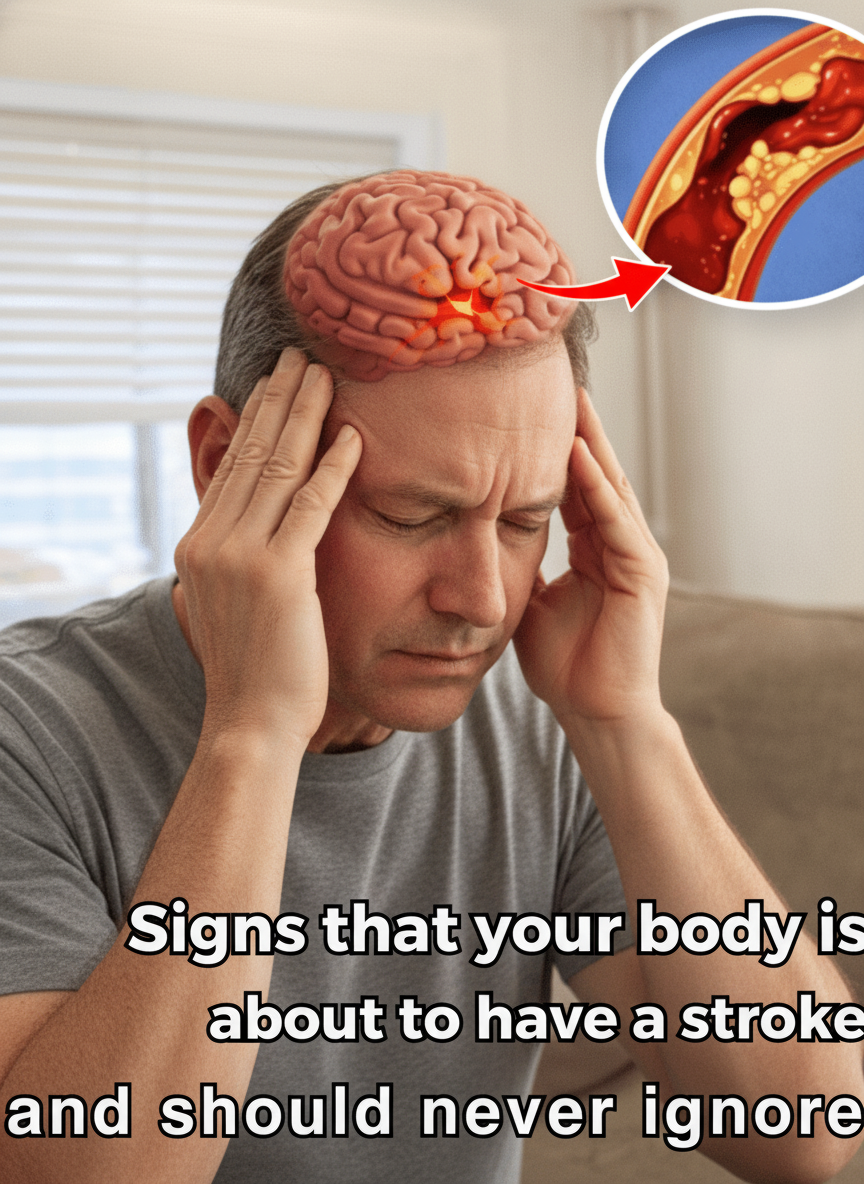
A sudden, excruciating headache, often described as “the worst headache of your life,” is a critical red flag. This symptom can indicate a hemorrhagic stroke (bleeding in the brain) or an aneurysm. Unlike typical headaches, this pain is usually abrupt, intense, and may be accompanied by other neurological symptoms. Never dismiss a headache of this severity.
Recognizing these signs isn’t just about being informed; it’s about being prepared to act. Time is brain when it comes to stroke. If you or someone you’re with experiences any of these symptoms, even if they seem to pass, call emergency services immediately. Your quick action could save a life or prevent profound disability.
”
}
“`