 By admin
 Don’t Ignore These Sleep Symptoms: Potential Warning Signs of a Brain Event
Introduction: Waking Up Feeling Unusually Off?
Have you ever emerged from sleep, be it a full night’s rest or a brief nap, feeling unexpectedly confused, disoriented, or experiencing unsettling physical sensations like numbness, muscle weakness, or an abrupt, severe headache? Such experiences can be profoundly unsettling, particularly when you have no clear memory of what might have caused them. While it’s tempting for many to simply dismiss these as consequences of poor sleep quality, these symptoms could, in fact, serve as critical indicators of a more serious underlying condition, specifically a brain event or another significant neurological issue. This article aims to shed light on specific symptoms that might manifest during sleep or immediately upon waking, which could signal a potential brain event, such as a stroke or a transient ischemic attack (TIA). Recognizing these crucial signs early is paramount for prompt action and potentially life-saving intervention.
Understanding a Brain Event: What Does It Mean?
A “brain event” broadly describes a sudden and significant alteration in brain function, most frequently resulting from an interruption or reduction in blood flow to the brain. The two primary forms of such events are:
- Stroke: A stroke occurs when the supply of blood to a section of the brain is either obstructed or severely diminished, leading to the rapid death of brain cells. Common stroke symptoms can manifest as sudden onset of numbness or weakness, particularly on one side of the body, confusion, and difficulties with speaking or comprehending speech.
- Transient Ischemic Attack (TIA): Often colloquially termed a “mini-stroke,” a TIA involves a temporary but critical reduction in blood flow to the brain. Its symptoms closely mirror those of a full stroke, yet they typically resolve completely within a few minutes to several hours. Despite their transient nature, TIAs are crucial warning signs that a more severe stroke may be imminent.
Given the potentially devastating long-term consequences of brain events, immediate recognition of their warning signs and seeking urgent medical attention are absolutely vital.
1. Waking Up with Sudden Numbness or Weakness
One of the most frequently reported warning signs of a pending or occurring brain event is waking to find sudden numbness or weakness affecting the face, an arm, or a leg, often presenting distinctly on one side of the body. If this sensation appears abruptly during or immediately after sleep, it warrants immediate concern as a potential indicator of a stroke or TIA.
Why This Happens: A cerebral event, such as a stroke or TIA, can indeed strike while an individual is asleep. The neurological impact may not become apparent until you awaken and attempt to move or utilize the affected body parts. The brain’s intricate control over motor function means that when an area responsible for movement is deprived of adequate blood supply, it can manifest as sudden numbness or significant weakness.
What to Do: Should you experience sudden numbness or weakness, especially if it is confined to one side of your body, it is imperative to seek emergency medical assistance without delay. Even if these symptoms subside quickly, they could represent a transient ischemic attack (TIA), which is a critical precursor to a full-blown stroke and requires immediate medical evaluation.
2. Experiencing a Sudden, Severe Headache Upon Waking
An abrupt and intensely severe headache upon waking, particularly if it’s described as the “worst headache of your life,” can be a grave warning sign of a brain event. This type of headache is sometimes characterized as a “thunderclap” headache due to its instantaneous onset and excruciating pain.
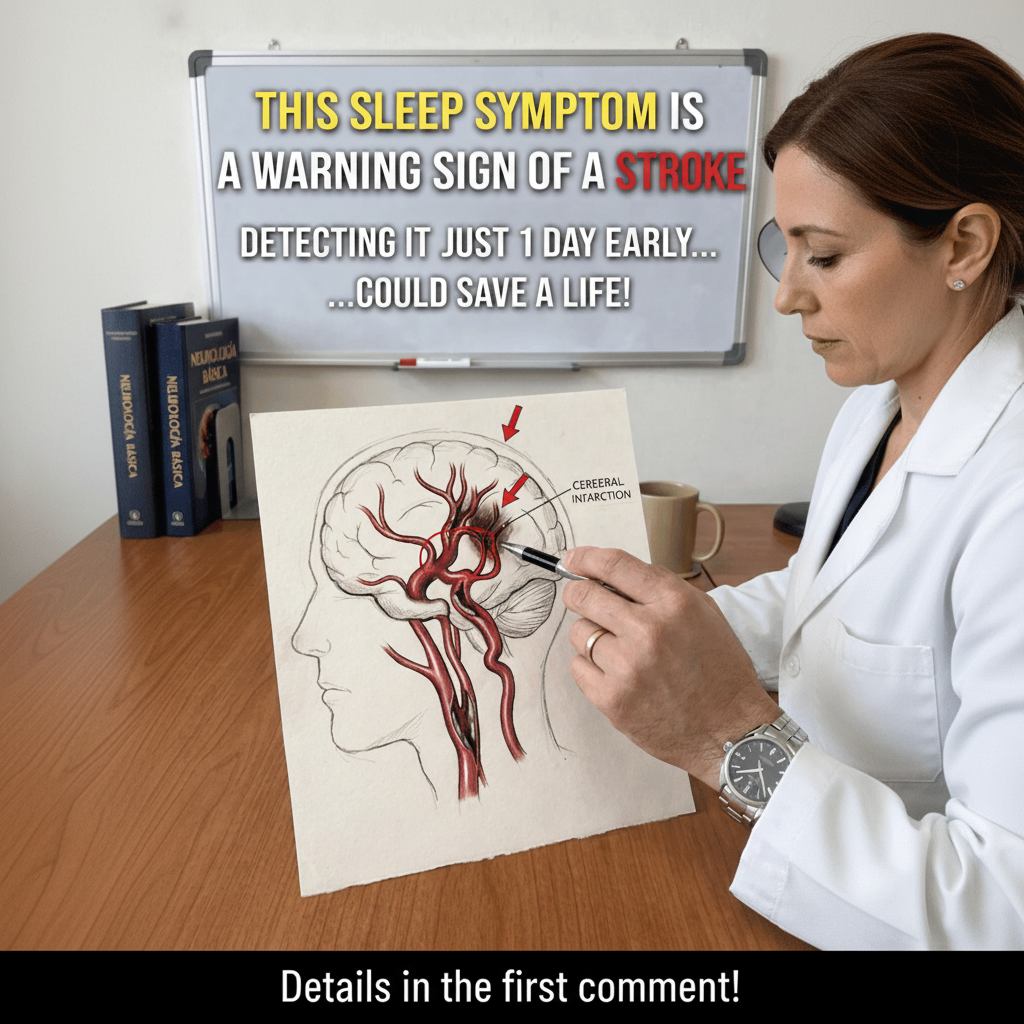
Why This Happens: Such a sudden and intense headache could signal a hemorrhagic stroke, a dangerous condition where a blood vessel within the brain ruptures, leading to internal bleeding. While severe migraines can also cause intense head pain, an unusually abrupt and excruciating headache necessitates ruling out these more critical neurological emergencies.
What to Do: If you awaken with a sudden, exceptionally severe headache, especially if it’s accompanied by other alarming symptoms such as nausea, vomiting, or changes in vision, immediate medical attention is absolutely crucial. Healthcare professionals can accurately diagnose the underlying cause and ensure you receive the appropriate and timely treatment.
3. Difficulty with Speech or Understanding Language
Waking up with impaired ability to speak clearly, slurred speech (dysarthria), or trouble comprehending what others are saying can be significant indicators of a stroke or TIA. You might observe that your words are jumbled, or you struggle to formulate coherent sentences.
Why This Happens: A stroke or TIA can directly impact the specific regions of the brain responsible for processing speech and language. This can result in communication difficulties, ranging from confusion and word-finding problems to an inability to articulate words correctly.
What to Do: Should you suddenly experience difficulty speaking or understanding language, particularly upon waking, it is vital to seek emergency medical help without delay. These symptoms are strong indicators of a potential stroke, and rapid intervention is absolutely critical to minimize potential long-term damage to brain function.
4. Abrupt Changes in Vision
Waking up to blurred vision, double vision (diplopia), or a sudden loss of vision in one or both eyes can be a critical sign of a brain event. These visual disturbances might also manifest concurrently with other neurological symptoms, such as weakness or speech difficulties.
Why This Happens: A stroke or TIA can directly affect the parts of the brain responsible for processing visual information, leading to sudden and noticeable alterations in sight. Furthermore, vision loss can occur if the blood flow to the eyes themselves is compromised due to a cerebrovascular event.
What to Do: If you experience sudden changes in your vision, particularly when combined with other neurological symptoms such as weakness or speech difficulties, it is critical to seek immediate medical evaluation. Prompt diagnosis and treatment are essential to prevent further complications.