 By admin
 Don’t Ignore These: 7 Subtle Prostate Cancer Symptoms Men Often Overlook
Prostate cancer is a silent threat, often progressing unnoticed in its early stages. While many men dismiss subtle bodily changes as harmless or age-related, these minor signals could be critical warnings. Understanding these often-ignored symptoms is vital for early detection, which significantly improves treatment outcomes and overall prognosis. This article sheds light on seven such subtle signs that every man should be aware of.
1. Frequent Urination, Especially at Night (Nocturia)
An increased need to urinate, particularly waking up multiple times during the night (nocturia), can be a concerning sign. As a cancerous prostate gland enlarges, it can press against the bladder, creating a constant urge to urinate and obstructing urine flow. While also a symptom of benign prostatic hyperplasia (BPH), persistent nocturia warrants medical attention, as early diagnosis can prevent cancer from spreading.
2. Weak or Interrupted Urine Flow
Noticeable changes in your urine stream, such as a weaker flow than usual, difficulty starting, or a stream that stops and starts intermittently, should not be ignored. A growing tumor can partially block the urethra, making urination challenging. If this symptom persists, it’s crucial to consult a doctor, as timely intervention can prevent further complications and progression of the disease.
3. Blood in Urine or Semen
The appearance of blood in your urine (hematuria) or semen (hematospermia) is an alarming symptom that demands immediate medical evaluation. While these can indicate other conditions like urinary tract infections, they can also signal prostate cancer, especially if the tumor has invaded nearby blood vessels or caused inflammation. Prompt medical assessment is essential to identify the cause and initiate early treatment if cancer is present.
4. Painful or Difficult Ejaculation
Experiencing discomfort or pain during ejaculation, or finding it difficult to achieve, is another subtle warning. A growing prostate tumor can exert pressure on the seminal vesicles or ejaculatory ducts, leading to pain or blockages during sexual activity. Addressing this symptom early allows for timely treatment, potentially preventing more severe complications and preserving quality of life.
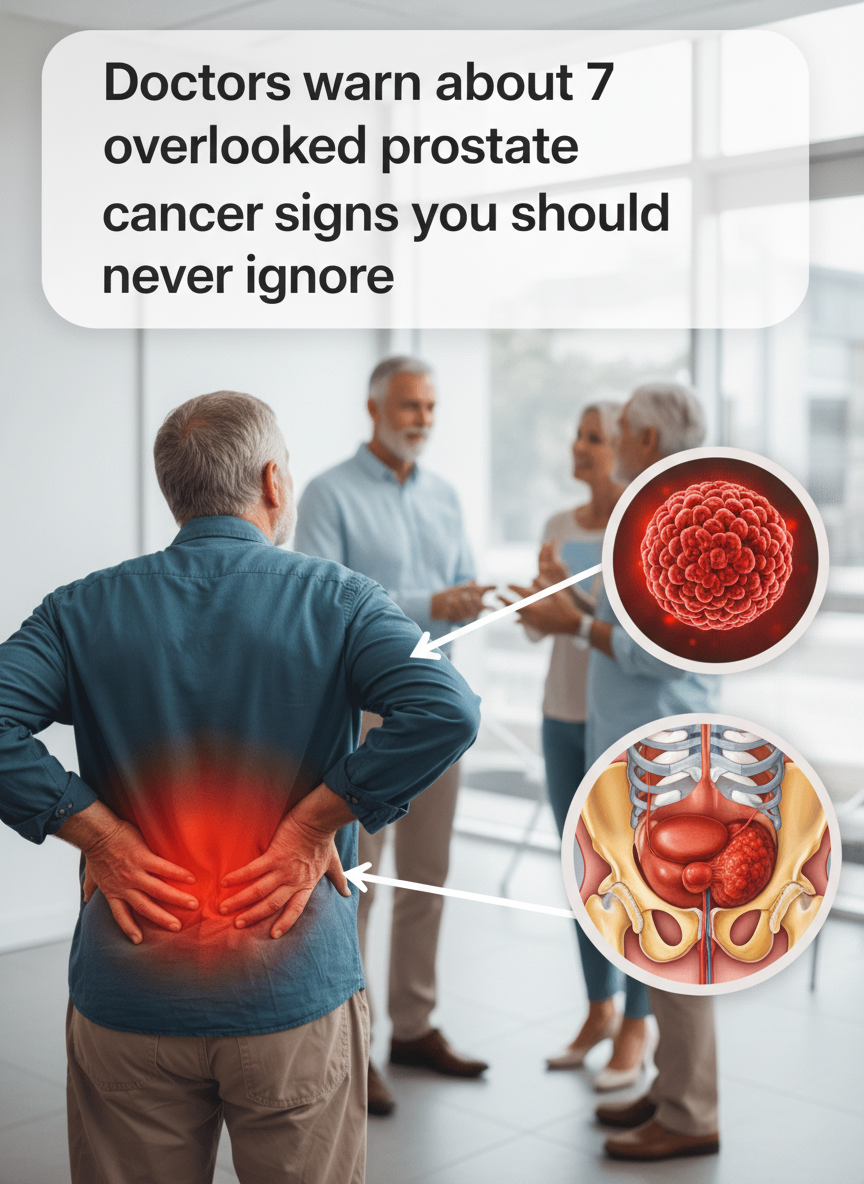
5. Persistent Pain in the Lower Back, Hips, or Pelvis
While often attributed to age or minor injuries, persistent, unexplained pain in the lower back, hips, or pelvic region can be a more advanced symptom of prostate cancer. This discomfort may indicate that the cancer has metastasized (spread) to the bones, particularly in these areas. Any new or worsening persistent pain in these regions should prompt a thorough medical investigation.
6. Unexplained Weight Loss or Fatigue
Significant, unintentional weight loss or persistent, overwhelming fatigue that isn’t relieved by rest can be general signs of various cancers, including prostate cancer. When cancer cells grow rapidly, they consume more energy, leading to these systemic symptoms. While non-specific, if these occur without a clear reason, they warrant medical consultation.
7. New Onset Erectile Dysfunction
While erectile dysfunction (ED) is common and often associated with aging, a new or worsening onset of ED, especially when accompanied by other urinary symptoms, can sometimes be a subtle indicator of prostate issues, including cancer. Prostate cancer can affect the nerves and blood vessels crucial for erectile function. Discussing this with a healthcare provider can help identify underlying causes.
Why Early Detection Matters:
Prostate cancer, when caught early, is highly treatable. Ignoring these subtle signs can allow the cancer to grow and spread, making treatment more complex and less effective. Regular screenings, especially for men over 50 or those with a family history, combined with awareness of these symptoms, are your best defense. Don’t wait for noticeable pain or severe symptoms; if you experience any of these signs, consult your doctor promptly. Early action can save your life.