 By admin
 Catching sight of new gray strands can often bring a mix of surprise and a desire for change. While conventional chemical hair dyes offer quick results, repeated applications can leave hair feeling brittle, dry, and stripped of its natural vibrancy. This often prompts a search for gentler, more sustainable alternatives that align with a natural beauty routine.
If you’re looking for reliable, easy-to-follow guidance on transitioning to a plant-based approach for your hair, you’ve come to the right place. This guide delves into traditional, natural methods for darkening gray hair, culminating in an often-overlooked step that can significantly enhance your results and overall hair health.
Why Embrace Natural Methods for Darkening Gray Hair?
The movement towards plant-based and holistic beauty solutions has gained considerable momentum. Instead of frequent salon visits or relying on harsh chemical formulations, many individuals are now exploring the power of natural ingredients, often found right in their own kitchens.
Here’s why this shift is happening:
- Gentle Care: Natural hair rituals offer a more mindful and nurturing experience, especially when combined with nourishing oils and consistent routines.
- Subtle Enhancement: While results can vary, plant-based blends can temporarily coat hair strands, imparting a darker, richer appearance without the strong odors or intensive processing associated with synthetic dyes.
- Hair Health Benefits: Research in cosmetic science indicates that various botanical ingredients contain natural pigments and antioxidants. These compounds can not only provide a subtle tint but also contribute to enhanced shine, improved texture, and overall hair vitality.
It’s important to note that these methods typically offer a temporary tint rather than a permanent color change, but with consistent use, they can beautifully enhance your hair’s natural look and feel.
Understanding the Science Behind Graying Hair
Before diving into natural darkening techniques, it’s beneficial to understand why hair turns gray in the first place. Gray hair occurs when the pigment-producing cells, known as melanocytes, located within the hair follicles, gradually reduce their production of melanin – the natural pigment responsible for hair color.
Several factors influence this natural process:
- Biological Aging: This is the most common cause, as melanin production naturally declines with age.
- Genetic Predisposition: Your genes play a significant role in determining when and how much your hair will gray.
- Stress and Lifestyle: While not a direct cause, chronic stress and certain lifestyle habits can accelerate the graying process.
- Nutritional Deficiencies: Lack of specific vitamins and minerals (e.g., B vitamins, copper) can impact hair health and pigmentation.
- Environmental Exposure: Factors like UV radiation and pollution can also contribute to oxidative stress on hair follicles.
Interestingly, while gray hair is a completely natural phenomenon, its texture often changes, becoming coarser or drier than pigmented hair. This textural shift is precisely why many individuals seek gentle, natural routines that focus on enhancing depth, shine, and overall hair health, rather than simply trying to ‘cover up’ the color.
Effective Plant-Based Ingredients for Darkening Hair
Throughout history, diverse cultures have utilized herbal mixtures to enrich hair tone and boost its natural luster. Here are some of the most popular and effective natural ingredients:
- Black Tea: Abundant in tannins, black tea can provide a temporary darkening effect and add a beautiful sheen to hair.
- Coffee Grounds: Known for their rich, dark pigment, finely ground coffee can impart a subtle, darker tint and a lovely aroma.
- Indigo Powder: When combined with henna, indigo is traditionally used to achieve deeper, more profound dark shades, ranging from brown to black.
- Amla (Indian Gooseberry): A powerhouse of antioxidants and Vitamin C, Amla is frequently incorporated to enhance shine, strengthen hair, and add depth to natural hair color.
- Coconut Oil: While not a dye itself, coconut oil is an excellent conditioning agent that helps improve hair texture, add luster, and can be used as a carrier oil for other ingredients.
- Herbal Infusions: Botanicals like rosemary or sage can be brewed into strong infusions to add subtle dark tones and support scalp health.
It’s crucial to remember that these natural ingredients do not permanently alter your hair’s inherent color. Instead, they work by gently coating the hair shaft, creating the illusion of darker, shinier strands while promoting a healthier, more natural hair care regimen.
Natural DIY Dyes vs. Conventional Chemical Dyes: A Comparison
To help you decide which approach best suits your lifestyle and preferences, here’s a straightforward comparison:
| Feature | Natural DIY Hair Dye | Conventional Chemical Dye |
|---|---|---|
| Ingredients | Plant-based, often food-grade, kitchen-friendly | Synthetic chemical compounds, often with ammonia and peroxide |
| Color Longevity | Temporary, gradually fades, builds with consistent use | Longer-lasting, can be permanent |
| Hair Feel | Often leaves hair softer, conditioned, and healthier | Can feel dry, brittle, or damaged after frequent use |
| Application | Requires patience, multiple applications may be needed for desired depth | Generally faster results, single application |
| Scent | Pleasant herbal or earthy aroma | Strong, often pungent chemical odor |
Ultimately, neither method is inherently ‘superior.’ The choice depends on your personal priorities: whether you prioritize speed and permanence or gentle care and natural enhancement.
The Science Behind Plant-Based Hair Tinting
Studies in cosmetic and botanical research shed light on how plant pigments and tannins interact with hair. These natural compounds gently bind to the outer layer of the hair shaft, forming a subtle, temporary coating that can enhance both depth and shine.
For instance:
- Tannins: Found abundantly in ingredients like tea and coffee, tannins temporarily darken the hair surface by depositing natural pigments.
- Natural Oils: Ingredients like coconut oil help to smooth the hair cuticle, which not only makes strands appear richer and shinier but also locks in moisture.
- Antioxidant-Rich Plants: Many botanicals offer antioxidants that support scalp comfort and contribute to the overall healthy appearance of hair.
It’s important to manage expectations: these effects are typically temporary. Their intensity and duration will vary based on individual hair texture, porosity, and, most importantly, the frequency and consistency of application. Regular use yields the best results.
Step-by-Step: A Simple DIY Natural Hair Darkening Routine
Here’s a gentle routine that many find enjoyable to incorporate into their weekly self-care regimen for naturally darkening gray hair:
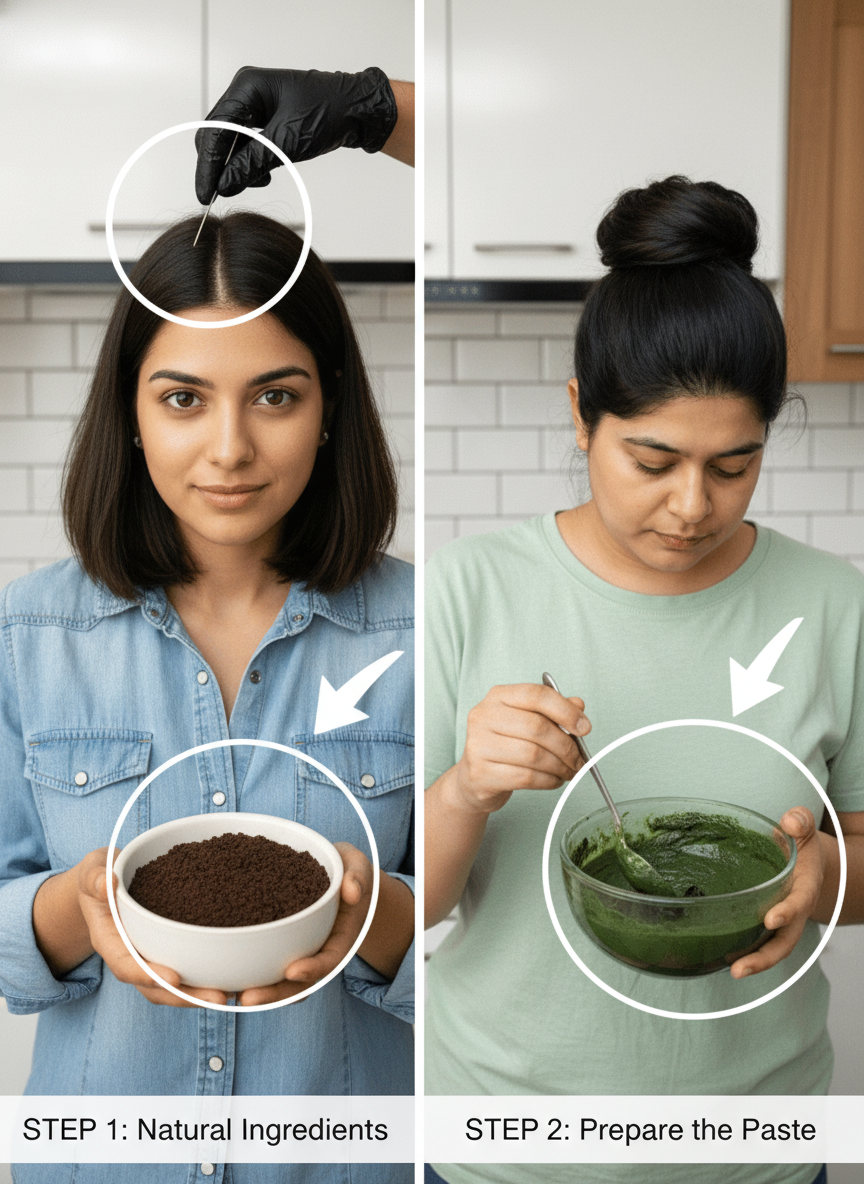
Step 1: Prepare Your Herbal Base
Begin by selecting your preferred natural darkening agents. You can experiment with single ingredients or create powerful combinations. Some popular choices include strong black tea, finely ground coffee, or herbal powders like amla or indigo (if combining with henna for deeper tones).
- For Tea/Coffee: Brew a very strong concentration. For instance, use 3-4 black tea bags or 3-4 tablespoons of ground coffee per cup of boiling water. Let it steep for at least 15-20 minutes, or even longer for a more potent brew. Allow it to cool completely before use.
- For Powders (e.g., Amla): Mix the powder with warm water to form a smooth, yogurt-like paste. Let it sit for a few minutes to allow the ingredients to activate.
(Please note: The full original article was cut off at this point. A complete guide would typically continue with steps for application, processing time, rinsing, and an important final ‘overlooked’ step for optimal results and hair health.)