 By admin
 The Unseen Treasure in Your Yard
Many of us often overlook the small, wild plants that sprout in our yards, dismissing them as mere weeds. We might even pull them out without a second thought, unaware that some of these humble greens hold a rich history in traditional wellness practices. It’s a surprising truth that valuable botanicals often grow right underfoot, quietly contributing to the natural world.
Among these forgotten flora is Euphorbia hirta, a plant that has garnered significant attention in both ancient herbal traditions and contemporary scientific research. Its fascinating story unfolds as we delve deeper.
What is Euphorbia hirta and Why Does it Matter?
Commonly known as ‘asthma weed’ or ‘garden spurge,’ Euphorbia hirta is a small, resilient herb frequently found along roadsides, in gardens, and empty lots. It thrives in warm climates and spreads rapidly, often leading gardeners to mistake it for a troublesome weed. However, its widespread presence belies its historical significance.
For centuries, traditional communities across Asia, Africa, and Latin America have utilized Euphorbia hirta, preparing it as teas, infusions, and extracts. Modern botanical studies have since revealed its natural compounds, including flavonoids, tannins, and polyphenols, all of which are frequently studied for their antioxidant properties. This blend of ancient wisdom and modern inquiry is what makes this small plant so noteworthy.
Key Characteristics of Euphorbia hirta:
- Small, hairy stems that grow close to the ground.
- Tiny, clustered flowers appearing near the leaf joints.
- Oval leaves often displaying subtle reddish tones.
- A milky sap that emerges when the stem is broken.
These distinctive features mean that many unknowingly step over it daily, unaware of its potential.
A Legacy of Traditional Wisdom
Before the advent of modern pharmacies, families relied on the plants surrounding their homes for general well-being. Grandparents, guided by generations of observation and experience, often recognized the value of herbs like Euphorbia hirta.
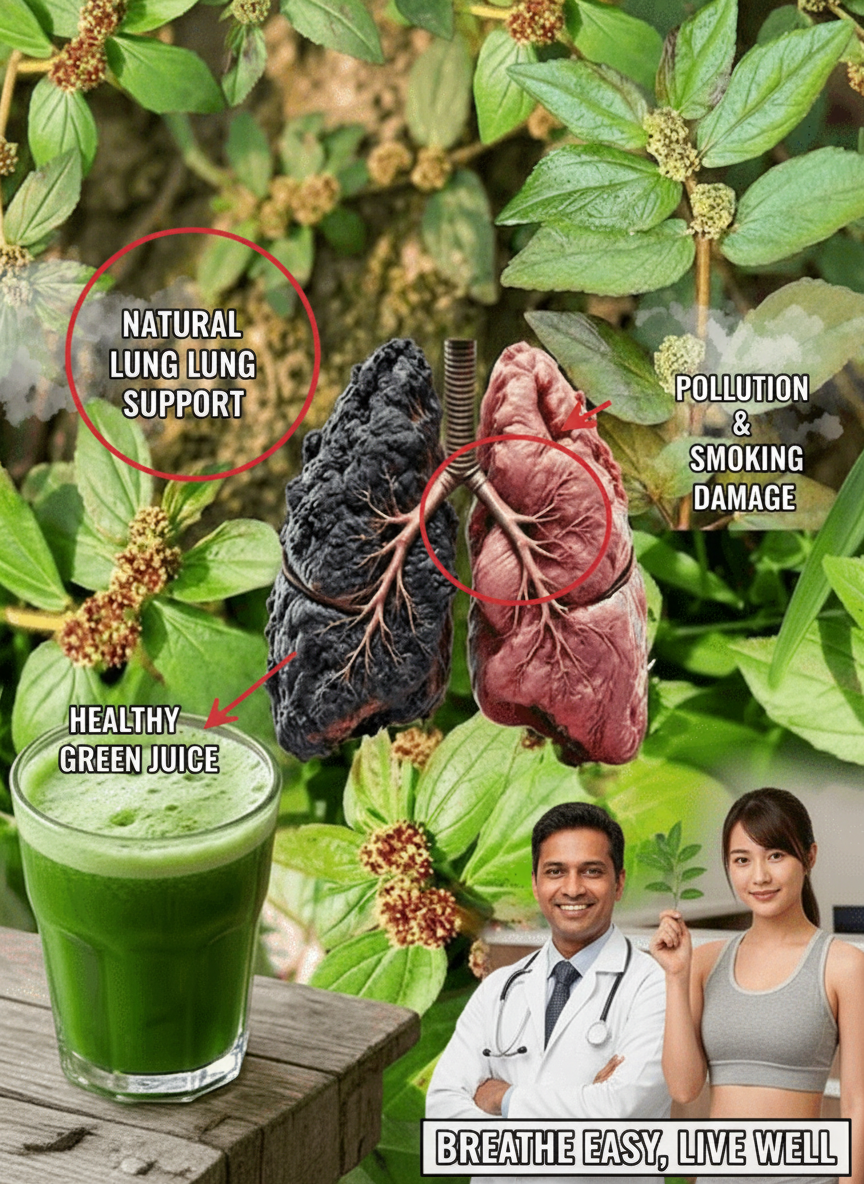
In many traditional households, it was prepared in simple forms:
- Light herbal teas
- Warm infusions
- Dried herb mixtures
The primary aim was often general wellness support rather than specific medical treatment. This knowledge, passed down through generations, highlights a deep connection to nature. However, it’s crucial to remember that natural plants are not ‘magic cures.’ Their effects can vary greatly, and scientific research is still ongoing. Therefore, a careful and informed approach to any plant use is always essential.
Modern Insights: The Science Behind the Herb
Researchers investigating plants like Euphorbia hirta often focus on their unique natural compounds. Laboratory studies have identified several bioactive substances commonly found in this herb, including:
- Flavonoids
- Tannins
- Phenolic compounds
- Alkaloids
These compounds are frequently explored for their potential antioxidant activity, which helps the body manage oxidative stress—a natural process occurring during metabolism. It’s important to note, however, that these studies typically take place in controlled laboratory environments. More research is needed to fully understand how these compounds behave and impact human health in everyday dietary use.
| Plant Component | Common Research Interest | Found in Many Herbs |
|---|---|---|
| Flavonoids | Antioxidant potential | Yes |
| Tannins | Plant defense compounds | Yes |
| Polyphenols | Oxidative balance research | Yes |
| Alkaloids | Various biological activities | Yes |
This ongoing research explains why botanical scientists maintain a keen interest in plants such as Euphorbia hirta.
Echoes of Traditional Use
Traditional herbal literature frequently mentions Euphorbia hirta for various wellness applications. These references stem from historical texts, not modern clinical guidelines. Common traditional mentions include:
- Use in traditional respiratory herbal blends.
- Inclusion in practices for general digestive comfort.
- Application in traditional skin cleansing preparations.
- Role in folk herbal traditions for overall body balance.
Responsible herbal practitioners consistently emphasize a vital point: traditional use does not automatically guarantee universal safety or efficacy. Individual reactions can differ, and professional medical advice should always be sought for health concerns. Understanding the plant’s history and ongoing research allows us to appreciate its multifaceted story while approaching its use with informed caution.