 By admin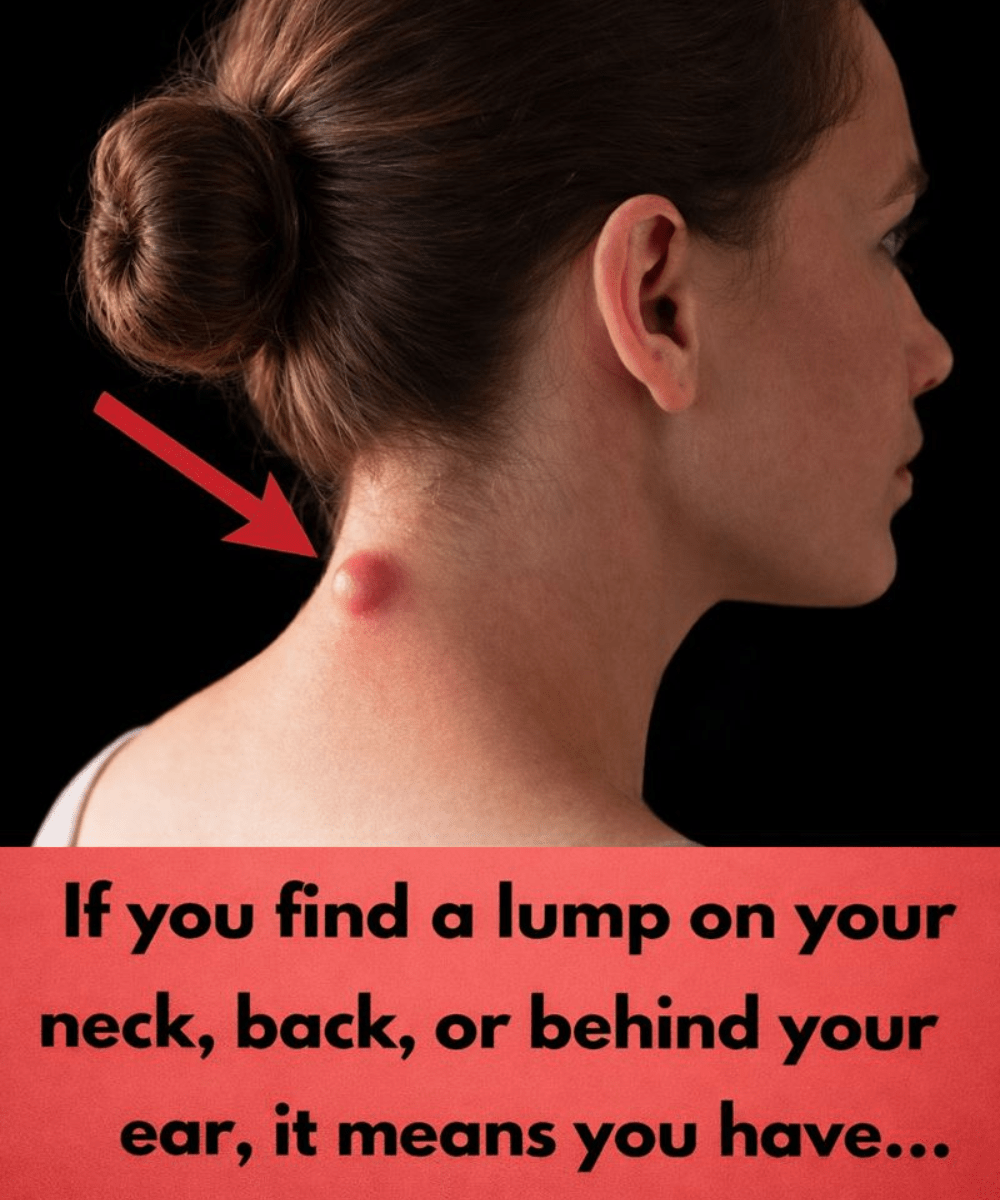
Finding a new lump or bump under your skin can trigger instant worry and anxiety—your mind races to the worst possibilities, leaving you feeling vulnerable and unsure. That sudden discovery often brings a wave of fear, especially when it’s in a noticeable spot like your neck, armpit, or back, making everyday activities feel unsettling. But here’s the reassuring truth: most lumps and cysts are benign and not a threat to your health.
The good news? Understanding the common types and signs can help you respond calmly and confidently. And by the end of this article, you’ll discover simple yet powerful ways to monitor and care for them—plus one key insight that could give you real peace of mind.

Common Types of Skin Lumps and Cysts
Skin lumps come in various forms, and most are harmless growths that develop for everyday reasons. According to sources like Mayo Clinic and Cleveland Clinic, these are among the most frequent:
- Epidermoid cysts: These round, firm bumps form when skin cells build up with keratin (a natural protein). They’re often painless and may have a small central opening. If ruptured, they can release a thick, cheesy material.
- Lipomas: Soft, doughy lumps made of fat tissue that move easily under the skin. They grow slowly and rarely cause issues.
- Swollen lymph nodes: Tender bumps that appear during infections, like a cold or sore throat. They usually shrink as you recover.
- Pilar cysts: Similar to epidermoid but often on the scalp, linked to hair follicles.
But that’s not all—some lumps can signal inflammation or infection.
Research shows that epidermoid cysts are the most common skin cysts, often miscalled “sebaceous cysts” (a term experts now avoid, as true sebaceous cysts are rarer and tied to oil glands).

Quick Comparison of Common Lumps
| Type | Feel/Appearance | Common Locations | Usually Painful? |
|---|---|---|---|
| Epidermoid Cyst | Firm, round, movable | Face, neck, back, torso | No (unless infected) |
| Lipoma | Soft, rubbery, movable | Back, shoulders, arms | No |
| Swollen Lymph Node | Tender, pea-sized | Neck, armpits, groin | Yes (during infection) |
| Infected Cyst | Red, warm, swollen | Anywhere | Yes |
This table highlights why proper identification matters—it guides whether you can watch and wait or need prompt care.
What Causes These Lumps to Appear?
Many factors contribute to lumps and cysts. Blocked pores or hair follicles often lead to epidermoid cysts, while lipomas may run in families or follow minor trauma.
Swollen lymph nodes typically signal your body fighting an infection. Other risks include:
- Chronic acne or skin irritation
- Hormonal shifts
- Repeated friction from clothing or activities
- Family history of benign growths
The truth is, anyone can develop them, but they’re more common in adults. Here’s the interesting part: early awareness of these triggers can help prevent recurrence.
Signs That a Lump Might Be More Serious
While most lumps are benign, certain changes warrant attention. Studies from reputable sources emphasize watching for:
- Rapid growth in size
- Hard, fixed (non-movable) texture
- Irregular shape or borders
- Redness, warmth, or pus discharge
- Persistent pain or tenderness
- Accompanying symptoms like fever or fatigue
If a lump feels hard and immovable, it could rarely indicate something needing further evaluation. But remember, pain often points to infection rather than malignancy.
This is where daily checks make a difference—spotting changes early empowers you.

Safe Ways to Care for Lumps and Cysts at Home
For mild, uninfected lumps, gentle home care can ease discomfort. Experts recommend these evidence-based steps:
- Apply a warm compress: Soak a clean cloth in warm water, wring it out, and hold it on the area for 10-20 minutes, 3-4 times daily. This promotes natural drainage and reduces swelling.
- Keep the area clean: Gently wash with mild soap and water to prevent infection.
- Avoid squeezing or picking: This can worsen inflammation or cause scarring.
- Monitor regularly: Check size, color, and feel weekly.
- Stay hydrated and maintain good skin hygiene.
These simple habits often bring relief without intervention. But here’s the crucial point: home care supports comfort—it doesn’t remove the lump permanently.
Never try to lance or drain a cyst yourself, as this risks infection.
When to Seek Professional Medical Advice
Don’t hesitate to consult a healthcare provider if:
- The lump grows quickly or changes appearance
- Pain increases or doesn’t improve
- Signs of infection appear (redness, warmth, discharge)
- It’s hard, fixed, or in sensitive areas
- You have unexplained symptoms like fever
A doctor can perform a simple exam, ultrasound, or biopsy if needed to rule out concerns. Early evaluation provides clarity and the safest options.
Actionable Tips for Daily Monitoring and Prevention
Take control with these practical steps you can start today:
- Perform monthly self-exams: Feel for new or changing lumps in common areas.
- Note changes: Use a journal or phone photos to track size and appearance.
- Protect your skin: Wear loose clothing to reduce friction and treat acne promptly.
- Live healthily: A balanced diet and exercise support overall skin health.
Consistency here can catch issues early and reduce worry.
Final Thoughts
Discovering a lump under your skin is understandably worrying, but knowledge turns fear into empowerment. Most are harmless epidermoid cysts, lipomas, or temporary swollen nodes that resolve with time or simple care.
By monitoring wisely and seeking advice when needed, you protect your well-being. The real “secret” for peace of mind? Trusting professional guidance when in doubt—it’s the smartest step for long-term health.
Frequently Asked Questions (FAQ)
1. Are all skin lumps and cysts cancerous?
No, the vast majority are benign. Sources like Cleveland Clinic note that cancerous lumps are rare and often have distinct signs like rapid growth or hardness.
2. Can I pop or drain a cyst at home?
Absolutely not—it’s unsafe and can lead to infection or recurrence. Warm compresses may help symptoms, but professional care is best for removal.
3. How long should I wait before seeing a doctor about a new lump?
If it persists beyond 2-4 weeks, grows, or causes pain/changes, consult a provider promptly for evaluation.
Disclaimer: This article is for informational purposes only and is not a substitute for professional medical advice, diagnosis, or treatment. Always consult a qualified healthcare provider if you have concerns about a lump or any health issue. Early detection and professional care are key to peace of mind.