 By admin
 In today’s demanding world, many couples find their intimate life taking a backseat. Work pressures, family responsibilities, and everyday stress often push these moments aside. This natural shift can leave partners wondering about the implications for their bodies and their connection. While concerns about physical changes or emotional distance are common, research suggests these pauses are more frequent – and less detrimental – than often assumed. Your body is remarkably adaptive, and understanding these adjustments can ease worries.
Understanding the Reality: Why Pauses in Intimacy Are Normal
Life inevitably brings interruptions, even to the strongest relationships. Whether it’s new parenthood, extended work hours, or simply the natural ebb and flow of desire, periods without sexual activity are entirely normal. Studies, including those referenced by sources like Medical News Today, confirm that going without sex for months – or even longer – generally does not cause major damage to overall health for most adults. Your body is incredibly resilient; it doesn’t “shut down” or accumulate harmful toxins as some online myths suggest.
While sexual activity offers certain benefits, its absence does not trigger a health crisis. Instead, your body subtly adjusts hormone levels, muscle tone, and even mood. This adaptability is a positive trait, allowing you to focus on understanding these changes rather than panicking about them.
Physical Changes Women May Notice
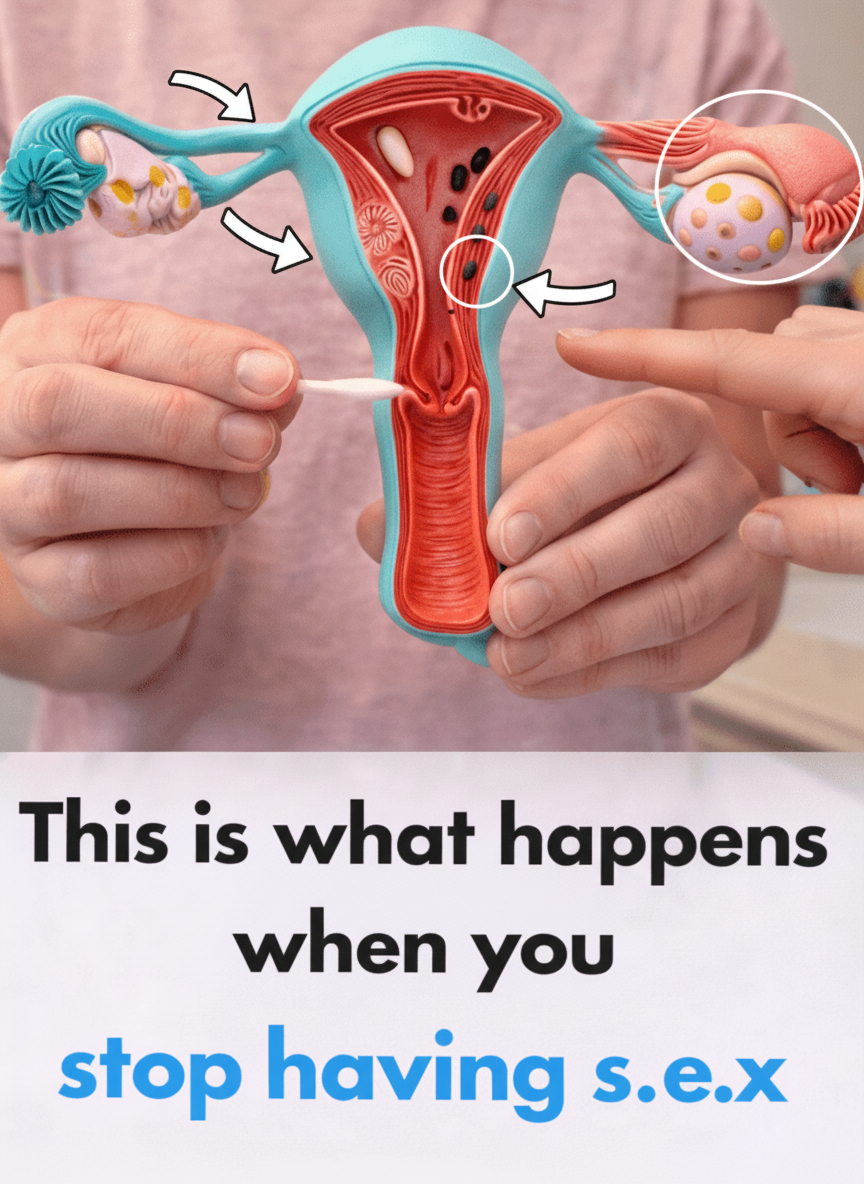
Women’s bodies often exhibit the most noticeable responses due to the intricacies of the reproductive system. Here’s what science consistently reports:
- Natural lubrication can decrease: Without regular activity, vaginal tissues may produce less moisture. This is particularly evident around perimenopause or menopause, when estrogen levels are already in flux.
- Tissue elasticity may shift: Research from women’s health experts indicates that prolonged inactivity can lead to slightly less flexible vaginal walls in some women, especially post-menopause. The idea of “use it or lose it” applies more to comfort than to any permanent issue.
- Pelvic floor muscles might weaken slightly: These muscles support the bladder and uterus. Less frequent activity can reduce their natural exercise, potentially contributing to minor leaks during laughter or exercise later in life.
The encouraging news is that these changes are typically gradual and reversible with gentle care. Many women in their 30s and 40s often notice little to no difference at all. Common signs that deserve attention (but not alarm) include:
- Mild dryness during daily activities.
- A subtle shift in how your body feels during arousal.
- Occasional discomfort that improves with simple moisturizers.
How Men’s Bodies Respond Differently
Men experience their own set of adjustments, though these are often less immediately obvious. Reliable studies, including those referenced by WebMD, highlight a few key areas:
- Erectile function can be affected: Men who go long stretches without activity may notice occasional difficulty maintaining erections when intimacy resumes. Regular blood flow to the area helps keep tissues healthy, so pauses can temporarily alter responsiveness.
- Prostate health considerations: Some large-scale research links higher ejaculation frequency (through partnered sex or self-pleasure) with a lower lifetime risk of prostate concerns. While not an absolute connection, it’s a reason many doctors encourage staying active in whatever way feels right.
- Testosterone levels remain relatively stable: Short breaks might even cause a brief spike, while very long periods show little lasting impact for most men.
The good news is that these shifts are not signs of permanent decline. Most men return to their usual patterns quickly once intimacy restarts.
The Emotional and Relationship Ripple Effects
Physical changes are only half the story; the mental and emotional aspects often feel more immediate in a couple’s daily life. Without the regular release of bonding hormones like oxytocin, partners might notice a gentle emotional distance creeping in. Stress levels can also rise, as sex naturally helps lower cortisol – the body’s primary stress hormone. It’s at this point that the relationship itself often becomes the central focus, with couples sometimes reporting a feeling of being more like roommates than lovers.
”
}
“`