 By admin
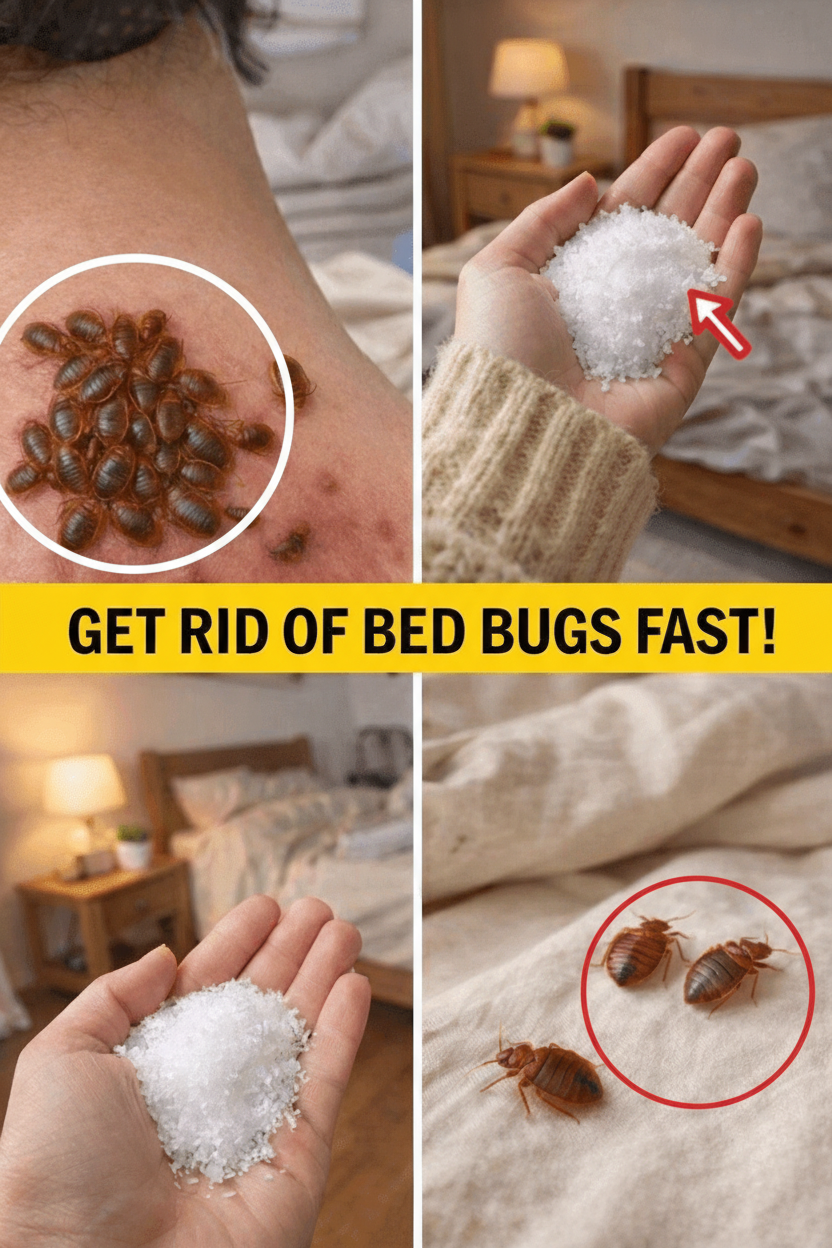
 Bed bugs are notoriously resilient pests, making their eradication from a home a significant challenge. While engaging professional pest control services often provides the quickest and most reliable solution, many individuals prefer to explore natural, non-toxic approaches initially. These methods are often chosen to avoid chemical exposure, reduce costs, or to complement conventional treatments. Among the most widely recognized and scientifically validated natural options is food-grade diatomaceous earth (DE) – a finely milled, white powder derived from the fossilized remains of ancient aquatic algae called diatoms.
When applied correctly, food-grade DE stands out as one of the few natural substances with substantial scientific and real-world evidence supporting its efficacy in managing bed bug infestations. This guide offers a clear and realistic examination of how diatomaceous earth combats bed bugs, provides instructions for its safe and effective application, outlines what outcomes you can realistically anticipate, and highlights crucial limitations to consider.
How Diatomaceous Earth Works Against Bed Bugs
Unlike chemical insecticides, food-grade DE operates through a purely physical mechanism, making it a non-toxic solution for pest control:
- The powder consists of microscopic particles that are incredibly sharp, akin to tiny shards of glass when viewed under a microscope.
- As bed bugs crawl across an area treated with DE, these abrasive particles scratch and penetrate the waxy, protective outer layer (exoskeleton) of their bodies.
- This damage compromises the bed bug’s ability to retain moisture, leading to rapid dehydration. Consequently, the pests dry out and perish within a few hours to several days, depending on environmental humidity and exposure levels.
- Furthermore, DE also possesses absorbent properties, drawing essential oils from the bed bug’s body, which accelerates the desiccation process.
Key Scientific Insights:
- Numerous university and pest-control studies, including extensive field trials conducted by institutions like Rutgers University and the University of Kentucky, consistently demonstrate that food-grade DE can achieve high mortality rates (ranging from 80% to 100%) in bed bugs upon sustained contact.
- Optimal effectiveness is observed in dry environments; elevated humidity levels can diminish DE’s performance as bed bugs lose moisture more slowly.
- Diatomaceous earth is effective against both adult bed bugs and their nymphs. However, it does not destroy bed bug eggs, necessitating repeated applications to target newly hatched insects.
How to Use Diatomaceous Earth Safely & Effectively Against Bed Bugs
Crucial Safety Note: Always ensure you are using food-grade diatomaceous earth, which is explicitly labeled as safe for human and animal consumption. Industrial or pool-grade DE is chemically treated, contains crystalline silica, and poses a severe inhalation hazard; it must never be used indoors for pest control.
Step-by-step Application Guide:
1. Prepare the Infested Area
- Thoroughly declutter the room and meticulously vacuum all affected surfaces, paying close attention to mattress seams, baseboards, furniture crevices, and carpet edges.
- Immediately after vacuuming, remove the vacuum bag or empty the canister outdoors, sealing the contents securely in a plastic bag before disposal.
- Wash all bedding, curtains, and clothing in hot water (exceeding 60°C or 140°F) and dry them on the highest heat setting possible.
2. Apply DE Lightly and Strategically
- Utilize a dusting bulb, puffer duster, or even a makeup brush to apply a very thin, barely visible layer of DE. The aim is a fine film, not a pile.
- Concentrate application on known bed bug harborage areas and pathways:
- Mattress seams and piping
- Crevices within the box spring
- Joints and cracks of the bed frame
- Along baseboards and wall-floor junctions
- Behind the headboard
- Inside dresser drawers (after emptying)
- Around electrical outlets (ensure power is turned off at the breaker first)
- Important: Do NOT create thick piles of DE. Bed bugs will actively avoid large accumulations of powder. A thin, imperceptible layer forces them to crawl directly through it, maximizing contact.
3. Allow Sufficient Contact Time
- Once applied, avoid vacuuming or disturbing the treated areas for a minimum of 7 to 14 days; longer durations are often more effective.
- For DE to work, bed bugs must physically traverse the powder to feed or mate. The more prolonged their contact, the quicker they will succumb to dehydration.
4. Reapply and Monitor
- Reapply a light dusting approximately every 7 to 10 days. This timing is crucial as bed bug eggs typically hatch within 6 to 10 days, ensuring newly emerged nymphs encounter the DE.
- Place bed bug interceptors under the legs of your bed to trap and monitor activity, providing valuable insight into the infestation’s status.
- Continue the treatment and monitoring regimen for at least 4 to 6 weeks to cover the entire bed bug life cycle.
Realistic Expectations & Timeline for DE Treatment
Understanding the timeline and potential outcomes is key to managing expectations:
- Days 1–7: You may notice a reduction in new bites if bed bugs quickly come into contact with the powder. Some adult bed bugs will begin to die off.
- Weeks 2–4: A significant decrease in the number of live bed bugs and new bites is commonly observed. Many users report substantial improvement during this period.
- Weeks 6–12: Complete elimination is possible, particularly for light to moderate infestations, provided the application is thorough and consistent. However, heavy infestations almost invariably necessitate professional intervention.
Success Rate:
- Light to Moderate Infestations: When applied meticulously and integrated with other control measures (such as regular laundering, vacuuming, and isolation techniques), DE can achieve a success rate of 60–90%.
- Heavy Infestations: Diatomaceous earth alone is often insufficient for severe infestations. In these cases, professional treatments, such as heat treatment or targeted chemical applications, are typically required for effective eradication.
Important Safety & Practical Warnings
- Use Only Food-Grade DE: Reiterate that only food-grade diatomaceous earth is safe for indoor use. Pool-grade or industrial DE contains crystalline silica, which is hazardous when inhaled.
- Protect Your Lungs: Always wear a high-quality respiratory mask (N95 or better) during application to prevent inhaling the fine dust, which can cause respiratory irritation.
- Keep Clear During Settling: Ensure children and pets are kept away from treated areas until the dust has completely settled to minimize exposure risks.
- Avoid Moisture: Diatomaceous earth loses its effectiveness when it becomes damp or wet. It must remain dry to function as an abrasive and desiccant.
- Post-Treatment Vacuuming: Once the treatment period concludes, vacuum treated areas carefully. Even dead bed bugs and their remains can trigger allergic reactions in sensitive individuals.
- Not a Standalone Solution for Severe Cases: Do not solely rely on DE for severe infestations. Bed bugs can survive for many months without feeding, and hidden populations can persist despite surface treatments. An integrated pest management approach, often involving professionals, is critical for extensive problems.
Bottom Line
Food-grade diatomaceous earth stands as one of the most effective, non-toxic, and extensively researched natural tools available for assisting in the control and elimination of bed bugs. It is particularly valuable for addressing early or moderate infestations. When applied correctly and as part of a comprehensive strategy, DE offers a powerful, environmentally friendly component to your bed bug management efforts.