 By admin
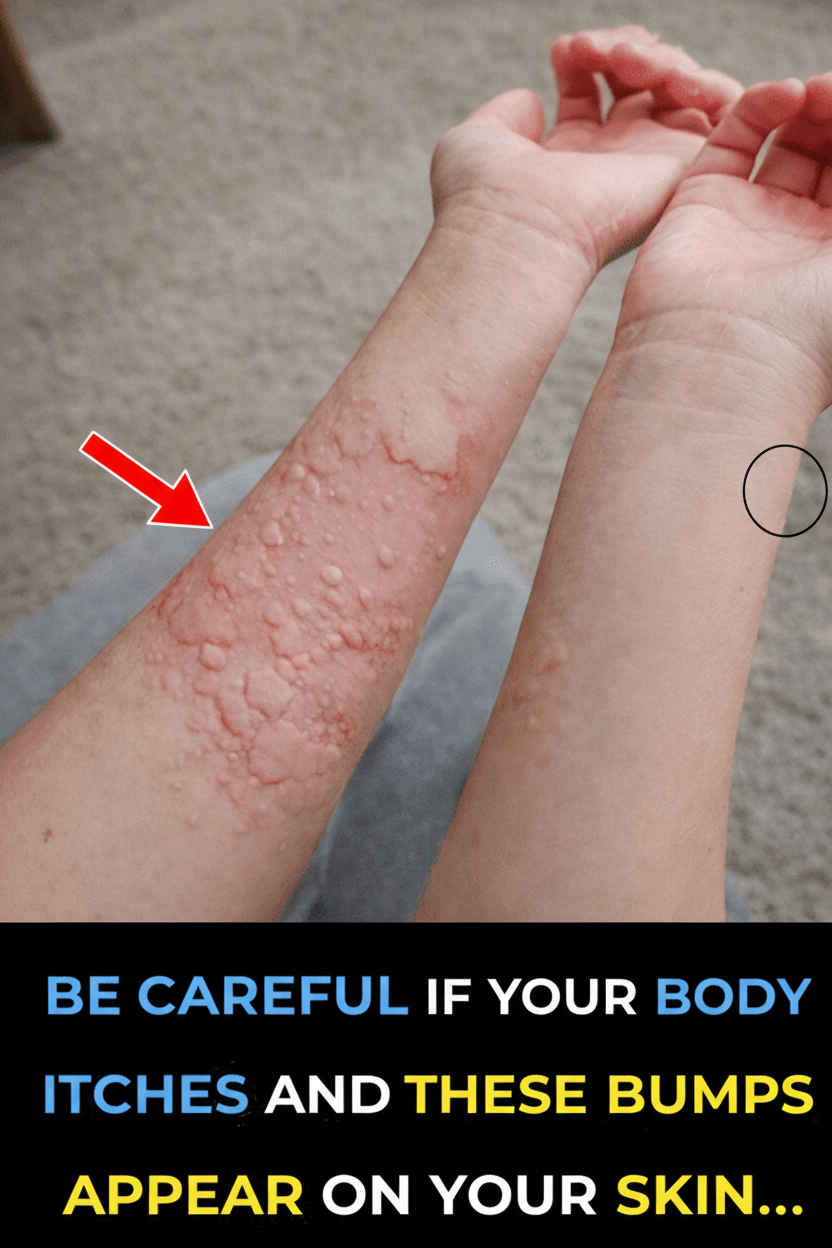
 Hives, medically known as urticaria, are characterized by red, intensely itchy, raised welts that can erupt on the skin unexpectedly and often vanish just as quickly. While many individuals instinctively attribute these bothersome skin reactions to common allergens like certain foods, medications, or pollen, the reality is far more complex. A significant proportion—between 50% and 70%—of chronic hives cases are actually classified as idiopathic, meaning no clear cause can be identified. Furthermore, countless seemingly random flare-ups stem from surprising, often overlooked triggers that healthcare providers might not initially consider. This article delves into some of the most frequently missed and unexpected factors that can provoke urticaria, particularly in adults, even when you’re confident you’ve eliminated the more obvious culprits.
1. Chronic Stress and Emotional Triggers: A Major Hidden Factor
Far more than just a feeling, chronic stress directly influences your immune system. It prompts mast cells—specialized immune cells responsible for releasing histamine—to degranulate, initiating an inflammatory response that can manifest as hives.
Typical Presentation:
- Urticaria outbreaks frequently coincide with or follow periods of intense emotional strain, such as demanding work deadlines, significant family conflicts, grieving processes, or acute anxiety attacks.
Supporting Evidence:
- Research consistently demonstrates that individuals experiencing chronic urticaria often report considerably higher levels of perceived stress. Furthermore, incorporating stress-reduction strategies like meditation or cognitive behavioral therapy (CBT) has been shown to decrease the frequency of hive episodes in 30% to 60% of affected individuals.
2. Heat, Sweating, or Abrupt Temperature Shifts (Cholinergic Urticaria)
For a considerable number of individuals, skin reactions like hives can be triggered by various forms of heat exposure or changes in body temperature. Common instigators include:
- Engaging in hot showers or baths
- Perspiration brought on by physical exercise
- Rapid transitions between different temperature environments, such as moving from a cool, air-conditioned space to a warm outdoor setting
- Consumption of spicy foods or hot beverages, which elevate internal body temperature
The Unexpected Element:
This trigger often catches people off guard because the prevailing belief is that hives are primarily caused by cold exposure or allergic reactions. However, cholinergic urticaria, a specific type of physical urticaria directly activated by an increase in core body temperature, is actually among the most prevalent forms of physical hives.
3. Tight Clothing, Sustained Pressure, or Friction (Delayed Pressure Urticaria)
Unlike immediate reactions, some individuals develop hives several hours—typically 4 to 8 hours—after their skin has been subjected to constant pressure or friction. This can occur from everyday items such as tight-fitting belts, snug socks, restrictive underwear, or the prolonged carrying of heavy backpacks or handbags.
Why This Is Surprising:
The significant time delay between the pressure exposure and the onset of the hives often prevents people from identifying the connection, leading them to misattribute the cause.
Typical Locations:
- Common areas affected include the waistline, beneath bra straps, along sock lines, and on the shoulders.
4. Vibrations (Vibratory Angioedema)
A less common, yet distinct, trigger for hives or swelling is exposure to vibrations. This unusual reaction can manifest following activities such as:
- Operating power tools
- Engaging in jogging or running on unforgiving hard surfaces
- Riding motorcycles or bicycles for extended periods
- Being exposed to loud music characterized by heavy bass frequencies
The Unexpected Nature:
The surprising aspect of this trigger is that most individuals are unaware that mechanical vibration itself possesses the capability to stimulate mast-cell degranulation, leading to an allergic-like response.
5. Over-the-Counter Painkillers and Other Medications: Unexpected Reactions
It’s a common misconception that only prescription drugs or known allergens cause adverse reactions. However, numerous readily available over-the-counter pain relievers, including ibuprofen, naproxen, and aspirin, have the potential to either initiate or exacerbate urticaria in susceptible individuals. These reactions can sometimes occur several hours after ingestion.