 By admin
 Encountering a pale or yellowish mark on your underwear while doing laundry can be a surprisingly common, yet often embarrassing, experience. Many women silently fret over these subtle changes, hesitant to seek answers due to shyness or the overwhelming, often contradictory, information found online. However, there’s a reassuring truth: for most, this seemingly mysterious discoloration is a perfectly normal indication of a healthy body. This comprehensive guide will demystify why these marks appear and help you discern when they might warrant further attention.
Why Underwear Sometimes Turns Pale or Yellowish
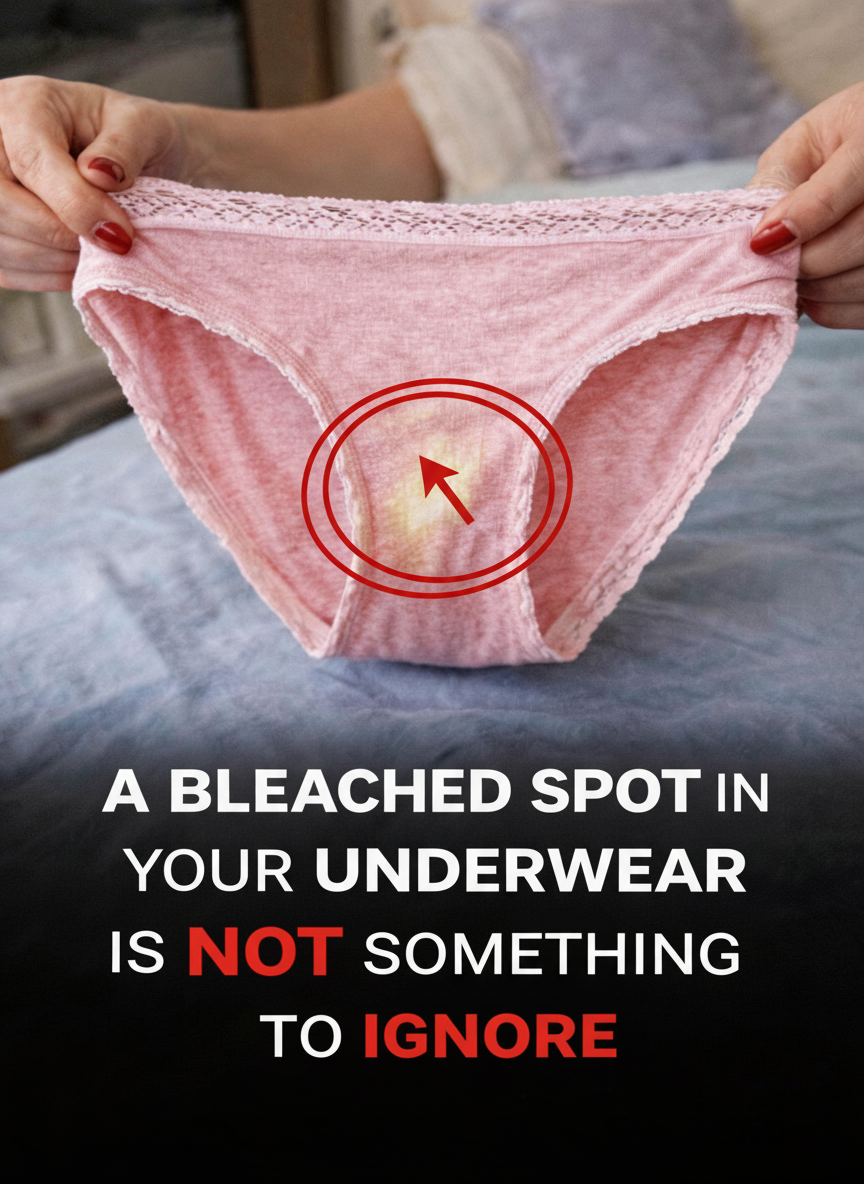
Many individuals are often taken aback upon discovering a lighter patch or bleached-like spot in the crotch area of their underwear. Initial thoughts might range from detergent damage to concerns about infection. Yet, the underlying reason is far more straightforward and entirely natural. The female reproductive system inherently produces vaginal discharge daily. This vital fluid serves a crucial function in maintaining a balanced and protected vaginal environment. A key characteristic of this discharge is its acidity. A healthy vagina typically maintains a slightly acidic pH, generally falling between 3.8 and 4.5. This acidic nature is instrumental in inhibiting the growth of harmful bacteria, thus safeguarding intimate health. Nevertheless, this very mild acidity can react with fabric dyes. Over time, this natural acidity can gradually lighten the color of darker fabrics, resulting in what appears to be a bleached mark on underwear, particularly evident on black, navy, or other dark-colored cotton garments. Essentially, the fabric undergoes a color change not due to external damage, but as a direct result of a natural physiological process. Remarkably, many gynecologists confirm that this phenomenon can actually be a subtle indicator that the vaginal environment is functioning optimally. Extensive research into vaginal microbiota consistently demonstrates that robust levels of beneficial bacteria are essential for upholding this protective acidic balance. Therefore, in numerous instances, this underwear discoloration is simply a chemical interaction between natural vaginal discharge and fabric dyes.
The Natural Reasons This Happens More Often
This understanding often brings significant relief to many. These distinctive marks frequently emerge during entirely normal phases of the menstrual cycle. A range of natural physiological factors can lead to an increase in vaginal discharge, consequently making the color alteration more pronounced.
- Ovulation Phase: Mid-cycle, the body naturally enhances cervical fluid production. This fluid facilitates sperm movement and serves as a key fertility signal. With an increased volume of fluid, underwear discoloration can become more apparent.
- Hormonal Fluctuations: Throughout a woman’s life, hormone levels naturally shift. Periods such as puberty, pregnancy, or perimenopause can significantly elevate the quantity of vaginal discharge. This surge is typically a normal response to internal changes.
- Sexual Arousal: The natural lubrication produced during intimate moments also contains slightly acidic compounds, contributing to the potential for fabric interaction.
- Body Temperature and Activity: Engaging in physical activity, spending extended periods in warm climates, or even long days of movement can stimulate greater moisture and vaginal discharge. For individuals residing in tropical or hot regions, such as parts of Mexico, this effect might be particularly noticeable.
Furthermore, the type of fabric also plays a pivotal role in how prominently these marks appear. Certain materials react more intensely to the natural acidity of vaginal discharge.
| Fabric Type | Likelihood of Color Change | Breathability |
|---|---|---|
| Cotton | Moderate to high | Very good |
| Synthetic fabrics | Low discoloration | Often less breathable |
| Dark dyed fabrics | More visible stains | Depends on fabric |
| Light fabrics | Discoloration less noticeable | Depends on fabric |
Therefore, observing these marks predominantly on darker cotton underwear is entirely to be expected and understood.
When It Might Be Worth Paying Attention
While the presence of pale spots due to natural acidity is typically a sign of normal vaginal health, it is crucial to acknowledge instances where these changes, or accompanying symptoms, might indicate a need for medical attention. Understanding the distinction is key: healthy vaginal discharge is generally clear, milky white, or faintly creamy, possessing a mild or neutral scent. Nevertheless, if underwear discoloration is observed in conjunction with any of the following symptoms, consulting a healthcare professional is highly advisable:
- Persistent itching or a burning sensation
- A strong, fishy, or otherwise unpleasant odor
- A thick, clumpy texture, often likened to cottage cheese
- Discharge appearing green, gray, or an intense yellow
- Noticeable swelling or redness in the intimate area
Research published in gynecological health journals frequently highlights that atypical changes in discharge color or odor can often signify an imbalance within the vaginal flora. Furthermore, it’s vital to recognize a less commonly known fact: excessive cleaning or the use of harsh intimate hygiene products can paradoxically disrupt the vagina’s natural, protective ecosystem. This implies that, at times, issues may arise from overzealous attempts to maintain cleanliness. Indeed, while counterintuitive, the body possesses an inherent ability to maintain its own delicate balance.
Simple Habits That Support Intimate Balance
Maintaining this natural balance is paramount, and simple, mindful habits can significantly contribute to overall intimate health.