 By admin
 The quest for flawless skin often leads us down intriguing paths, especially when faced with frustrating skin concerns like blemishes, uneven tone, or persistent breakouts. It’s common to feel disheartened after investing in numerous skincare products that promise radiant results but deliver minimal improvement. In a search for quick and affordable solutions, some individuals gravitate towards readily available household items, notably toothpaste and petroleum jelly, for DIY skincare remedies. While these everyday products are staples in many homes, their application on delicate facial skin can yield unexpected and sometimes unwelcome outcomes. This article aims to demystify this popular yet controversial skincare habit, revealing the true impact of these substances on your complexion and guiding you towards more effective and dermatologically sound practices.
The Allure of DIY Skincare: Why Toothpaste and Petroleum Jelly?
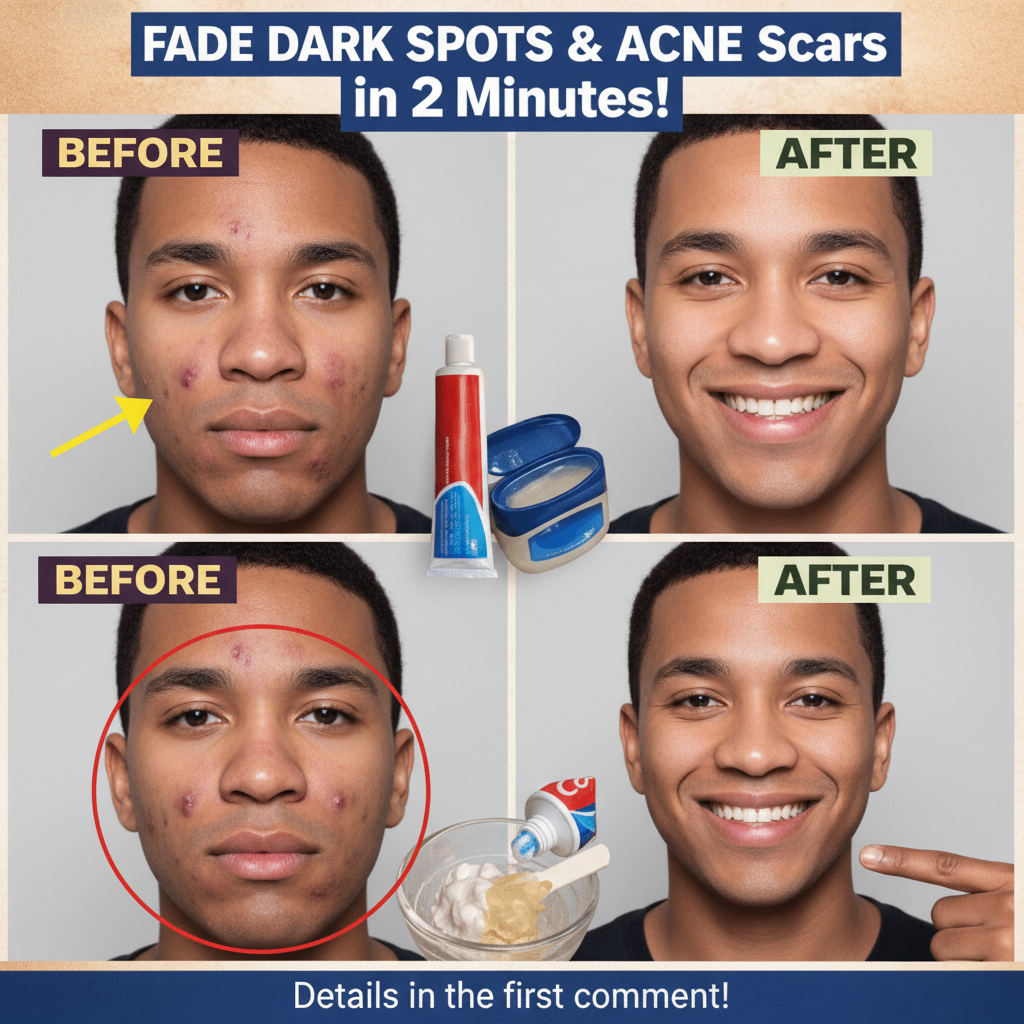
In the expansive world of beauty hacks and home remedies, particularly prevalent on social media platforms and online forums, certain DIY solutions gain rapid traction. Among the most frequently discussed for skin concerns are toothpaste and petroleum jelly. The appeal of this unconventional duo stems from several perceived benefits and practical considerations:
- Perceived Acne Treatment: Toothpaste often contains ingredients like baking soda, alcohol, or hydrogen peroxide, known for their drying properties. Many believe these components can effectively shrink pimples or dry out blemishes overnight.
- Moisture Retention: Petroleum jelly, commonly known as Vaseline, is celebrated for its occlusive properties, forming a barrier that locks in moisture. The assumption is that applying it post-toothpaste will soothe the skin and maintain hydration.
- Accessibility and Affordability: Both items are incredibly inexpensive and can be found in nearly every household, making them attractive alternatives to pricier skincare products.
However, a critical factor often overlooked is the fundamental difference in design and purpose. Products formulated for oral hygiene or lip care possess distinct chemical compositions intended for specific biological environments, which differ significantly from the delicate ecosystem of facial skin.
Unpacking Toothpaste: A Closer Look at its Ingredients and Their Impact on Skin
To truly grasp the potential consequences of applying toothpaste to your face, it’s essential to understand its typical composition. Toothpaste formulations are meticulously engineered for oral health, featuring a blend of active and inactive compounds. Key ingredients commonly found include:
- Fluoride: Crucial for strengthening tooth enamel and preventing cavities.
- Mild Abrasives: Such as calcium carbonate or silica, designed to gently polish teeth and remove plaque.
- Flavoring Agents: To improve taste and breath freshness.
- Foaming Agents: Like sodium lauryl sulfate (SLS), which create lather for a clean feeling.
- Antibacterial Compounds: To combat oral bacteria.
While these components are highly effective for maintaining dental hygiene, facial skin possesses a far more intricate and sensitive structure compared to the resilient enamel of teeth. Many of these ingredients, particularly abrasives, foaming agents, and strong drying agents, can be incredibly harsh on the skin. Dermatological research consistently highlights that using products outside their intended purpose, especially those with such potent ingredients, can severely disrupt the skin’s natural barrier. This disruption often manifests as redness, excessive dryness, peeling, and irritation, particularly for individuals with sensitive skin. Therefore, while some users might observe a temporary reduction in the size of a blemish due to the drying effect, this often comes at the cost of significant skin damage and discomfort.
Petroleum Jelly: A Protective Barrier With Important Considerations
For more than a century, petroleum jelly has been lauded for its remarkable ability to create a protective barrier on the skin. Dermatologists frequently categorize it as an occlusive moisturizer, meaning it forms a thin, non-breathable layer on the skin’s outermost surface. This layer effectively minimizes transepidermal water loss (TEWL), thereby helping to retain natural moisture. Its benefits are undeniable for conditions such as:
- Chronic dry skin
- Minor cuts and scrapes
- Chapped or cracked lips
- Rough, flaky skin patches
Crucially, petroleum jelly does not deeply penetrate the skin to deliver hydrating ingredients; instead, it functions primarily as a seal. When applied to clean, healthy skin, it can indeed enhance hydration by preventing moisture evaporation. However, its occlusive nature presents a significant caveat: when layered over other substances, especially those that might be irritating or comedogenic (pore-clogging), petroleum jelly can inadvertently trap these compounds against the skin. This can exacerbate irritation, prevent the skin from breathing, and potentially lead to breakouts or adverse reactions. This dual nature underscores why the combination of skincare ingredients is paramount.
Toothpaste vs. Petroleum Jelly: A Comparative Glance for Skincare
To further clarify the distinct roles and effects of these two products, a direct comparison can be highly insightful. Understanding their fundamental differences is key to appreciating why their combined use on facial skin can be problematic.
| Feature | Toothpaste | Petroleum Jelly |
|---|---|---|
| Primary Purpose | Oral hygiene (cleaning teeth, preventing cavities) | Skin barrier protection, moisture retention |
| Typical Ingredients | Fluoride, mild abrasives (e.g., calcium carbonate), foaming agents (e.g., SLS), flavorings, antibacterial agents | Purified mineral oils and waxes (e.g., petrolatum) |
| Impact on Skin Hydration | Often causes significant dryness and dehydration due to harsh chemicals | Forms an occlusive barrier to help retain the skin’s natural moisture |
| Potential for Irritation | High risk, especially for sensitive skin, leading to redness, burning, peeling, and barrier damage | Generally considered non-irritating and hypoallergenic when used on clean skin, though can trap irritants or clog pores if applied incorrectly |
| Designed for Facial Skin? | Absolutely not; formulated for oral cavity | Not specifically designed as a primary facial moisturizer for all skin types, but dermatologists may recommend it for specific barrier repair or dry patches |
This comparison starkly illustrates a crucial principle: the efficacy and safety of a product are intrinsically linked to its intended design and the specific biological environment it is meant for. Using a product outside its designated purpose can lead to unintended and adverse consequences for your skin’s health.
The Combined Effect: What Happens When Toothpaste Meets Petroleum Jelly on Your Face?
The intriguing question for many is the cumulative effect of applying toothpaste, followed by petroleum jelly, to facial skin. While individual experiences can certainly vary based on skin type and sensitivity, dermatological consensus points to several potential outcomes, predominantly negative.
Initially, the harsh drying agents in toothpaste might indeed cause a temporary reduction in the size of a blemish, leading to the false perception of an overnight improvement. However, this superficial drying often comes at a significant cost to your skin’s health, manifesting as:
- Intense Redness and Inflammation: The strong chemicals in toothpaste can trigger an inflammatory response.
- Severe Irritation and Burning Sensation: Especially for sensitive skin, ingredients like SLS or abrasives can cause discomfort.
- Excessive Dryness and Peeling: Stripping the skin of its natural oils compromises the skin barrier.
- Uneven Skin Texture and Post-Inflammatory Hyperpigmentation (PIH): Damaged skin can heal unevenly and leave behind dark spots.
When petroleum jelly is subsequently applied, its occlusive nature creates a sealed environment on the skin’s surface. While this barrier is excellent for retaining moisture on healthy skin, when applied over toothpaste residue, it can inadvertently trap those irritating chemicals, abrasives, and foaming agents directly against your vulnerable skin barrier. This prolonged contact intensifies the adverse effects of the toothpaste, potentially leading to:
- Exacerbated Irritation: The trapped toothpaste compounds continue to assault the skin.
- Clogged Pores: The combination can be highly comedogenic, trapping dead skin cells and bacteria, which can lead to new breakouts, blackheads, or whiteheads.
- Bacterial Growth: A sealed, irritated environment can sometimes foster an environment conducive to bacterial proliferation.
It’s crucial to understand that while not everyone will experience the most severe reactions, the underlying mechanisms of skin irritation and barrier disruption are consistently present. Relying on such improvised remedies carries substantial risks that far outweigh any perceived temporary benefits.
In conclusion, while the appeal of quick, inexpensive solutions for skincare challenges is understandable, leveraging products like toothpaste and petroleum jelly for purposes beyond their intended design can have detrimental effects on your skin’s health. Prioritizing products specifically formulated for facial skin, understanding ingredient lists, and consulting with dermatological professionals are far more reliable pathways to achieving a healthy, radiant complexion. Your skin deserves care that is both effective and safe.